


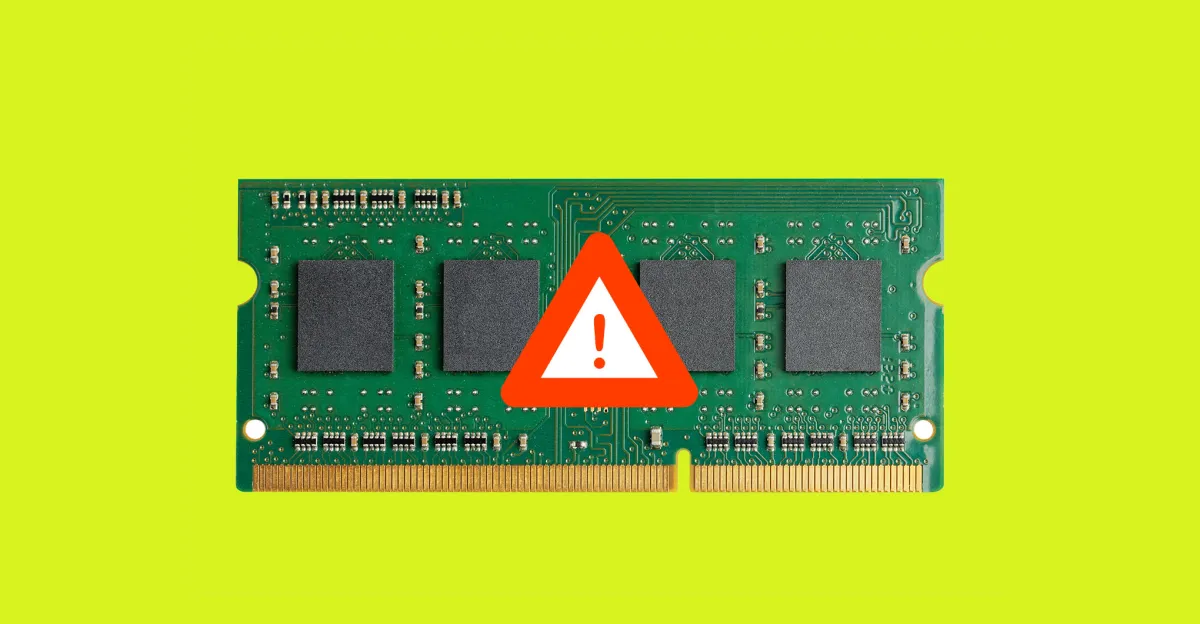

Global Memory Chip Shortage Expected to Persist Until 2027 Amid AI-Driven Demand Surge
By [Your Name]
[Publication Name]
[Date]
Memory Market Faces Prolonged Shortfall as AI Boom Strains Supply
The global semiconductor industry is bracing for years of constrained memory chip supply, with analysts predicting shortages could extend until at least 2027—and possibly beyond. Despite efforts by major manufacturers to ramp up production, demand for high-performance memory—particularly for artificial intelligence (AI) applications—continues to outstrip supply, leading to price hikes across consumer electronics and enterprise hardware.
According to industry reports, even with expanded fabrication capacity, memory suppliers will meet only 60% of global demand by 2027. SK Group Chairman Chey Tae-won has warned that shortages could persist until 2030, underscoring the deepening crisis in the semiconductor sector.
Manufacturers Struggle to Keep Up with AI-Driven Demand
The world’s top memory producers—Samsung, SK Hynix, and Micron—are racing to build new fabrication plants (fabs) to address the shortfall. However, most of these facilities won’t be operational until 2027 or 2028, leaving the market critically undersupplied in the meantime.
SK Hynix opened a new DRAM fab in Cheongju, South Korea, in February 2026, marking the only significant production increase among the three giants this year. Yet, this expansion pales in comparison to the surging demand, particularly for high-bandwidth memory (HBM), a specialized chip crucial for AI data centers.
Counterpoint Research estimates that memory production must grow by 12% annually in 2026 and 2027 to meet demand. However, current expansion plans only account for a 7.5% increase, leaving a significant gap.
AI Boom Diverts Resources from Consumer Electronics
The AI revolution has reshaped semiconductor priorities. With tech giants like Nvidia, Microsoft, and Meta investing billions in AI infrastructure, memory manufacturers are funneling resources into HBM production rather than general-purpose DRAM used in smartphones, laptops, and gaming devices.
This shift has led to rising costs across consumer tech:
- Smartphones: Companies like Samsung have raised prices due to higher memory costs.
- Laptops: Microsoft’s Surface lineup and other premium notebooks have seen price hikes.
- VR Headsets: Meta’s Quest 3 and other devices are becoming more expensive.
- Gaming Handhelds: Manufacturers warn of further price increases.
Why the Shortage Won’t End Soon
Several factors are prolonging the crisis:
- Complex Manufacturing: Building new fabs takes 3-5 years and requires billions in investment.
- AI Prioritization: HBM chips command higher profit margins, pushing suppliers to focus on enterprise demand over consumer needs.
- Geopolitical Factors: Export controls and supply chain disruptions add further delays.
What’s Next?
While the industry scrambles to expand capacity, analysts caution that relief is still years away. In the interim, consumers and businesses should brace for continued price volatility and potential delays in product launches.
As the world grows increasingly dependent on AI and advanced computing, the memory chip shortage serves as a stark reminder of the fragility of global tech supply chains. For now, patience—and deeper pockets—may be the only solutions.
