


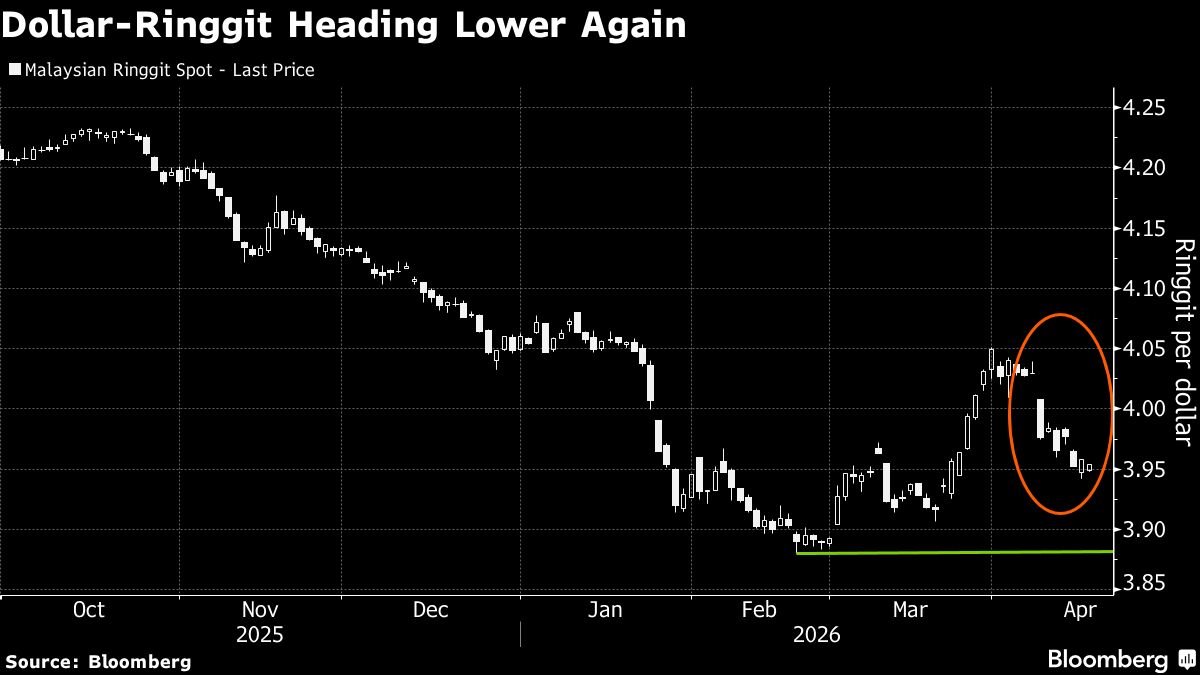

Malaysian Ringgit Poised to Retest Year-to-Date High Against the Dollar Amid Strong Economic Fundamentals
The Malaysian ringgit, one of Southeast Asia’s most closely watched currencies, is expected to retest its year-to-date peak against the US dollar in the coming months, bolstered by robust economic fundamentals and a favorable global outlook. Strategists and analysts are optimistic that the ringgit’s resurgence reflects Malaysia’s resilient economy, improved trade balance, and supportive monetary policies, setting the stage for a potential rally against the greenback.
This newfound confidence in the ringgit marks a significant turnaround from earlier in the year when the currency faced headwinds from global economic uncertainties and fluctuations in commodity prices. As Malaysia, a major exporter of palm oil, petroleum, and natural gas, continues to capitalize on elevated commodity prices and strong demand, the ringgit has steadily gained strength. Analysts now predict that the currency could revisit its year-to-date high of approximately 4.10 against the dollar, a level last seen in June 2023.
A Strong Foundation for Recovery
The ringgit’s upward trajectory is underpinned by Malaysia’s solid economic fundamentals. The country’s gross domestic product (GDP) grew by 4.2% year-on-year in the second quarter of 2023, outperforming expectations and signaling a steady recovery from the pandemic-induced slowdown. Key drivers of this growth included robust domestic consumption, a rebound in tourism, and resilient export performance.
Additionally, Malaysia’s trade surplus has remained robust, with exports surging by 10.2% in July compared to the previous year. The country’s position as a leading exporter of commodities has been a significant advantage, particularly as global energy prices have remained elevated. Crude oil and natural gas exports, which account for a substantial portion of Malaysia’s revenue, have benefited from geopolitical tensions and supply disruptions in other parts of the world.
Monetary Policy and External Factors
Bank Negara Malaysia (BNM), the country’s central bank, has played a pivotal role in supporting the ringgit’s recovery. In its most recent meeting, BNM maintained its benchmark interest rate at 3%, reflecting confidence in the domestic economy while balancing concerns about inflation. The central bank’s decision to hold rates steady has provided stability to the currency, attracting foreign investors seeking higher yields in a relatively low-risk environment.
External factors have also contributed to the ringgit’s strength. The US dollar, which has been the dominant global currency in recent years, has shown signs of weakness as the Federal Reserve approaches the end of its aggressive rate-hiking cycle. With inflationary pressures easing in the US and expectations of a pause in rate hikes, the dollar has lost some of its appeal, benefiting emerging market currencies like the ringgit.
Challenges and Risks
Despite the positive outlook, challenges remain. Global economic uncertainties, particularly the potential for a slowdown in China—Malaysia’s largest trading partner—could weigh on the ringgit’s performance. A weakening Chinese economy could reduce demand for Malaysian exports, particularly commodities, and dampen investor sentiment.
Moreover, Malaysia’s reliance on commodity exports exposes the country to price volatility in global markets. Any significant decline in oil or palm oil prices could impact the trade balance and put pressure on the ringgit. Domestically, rising living costs and inflationary pressures remain concerns, although these have been relatively well-contained so far.
Investor Confidence and External Reserves
Foreign investors have steadily increased their exposure to Malaysian assets, reflecting growing confidence in the country’s economic prospects. Bond market inflows have surged in recent months, driven by Malaysia’s attractive yields and stable political environment. The government’s commitment to fiscal discipline and structural reforms has further bolstered investor sentiment.
Malaysia’s foreign exchange reserves have also strengthened, providing a buffer against external shocks. As of August 2023, reserves stood at $112 billion, sufficient to cover more than seven months of imports. This healthy reserve position enhances the ringgit’s stability and reduces the risk of sudden depreciation.
Regional Competitiveness
Within the Southeast Asian region, Malaysia’s economic performance compares favorably to its peers. While countries like Thailand and Indonesia have also seen their currencies strengthen against the dollar, Malaysia’s combination of strong exports, fiscal prudence, and political stability has positioned it as a standout performer.
The ringgit’s resilience is particularly noteworthy given the volatility experienced by other emerging market currencies this year. Unlike the Turkish lira or Argentine peso, which have faced severe depreciation due to economic mismanagement and inflation, the ringgit has maintained a relatively stable trajectory, reflecting Malaysia’s sound economic policies.
Looking Ahead
As the global economy navigates a complex landscape, the Malaysian ringgit’s outlook remains cautiously optimistic. Strategists predict that the currency will continue to benefit from supportive domestic conditions and a weaker dollar, potentially retesting its year-to-date high in the fourth quarter of 2023. However, the ringgit’s performance will depend on a range of factors, including global commodity prices, China’s economic trajectory, and the Federal Reserve’s monetary policy decisions.
For Malaysia, maintaining this momentum will require continued fiscal discipline, diversification of the export base, and investment in high-value sectors such as technology and renewable energy. While challenges persist, the ringgit’s resurgence is a testament to Malaysia’s economic resilience and its ability to adapt to a rapidly changing global environment.
As investors and policymakers monitor these developments, the ringgit’s journey serves as a compelling case study of how emerging market currencies can thrive amidst uncertainty. Whether it can sustain its upward trajectory remains to be seen, but for now, the Malaysian ringgit stands firmly on the path to recovery.
