


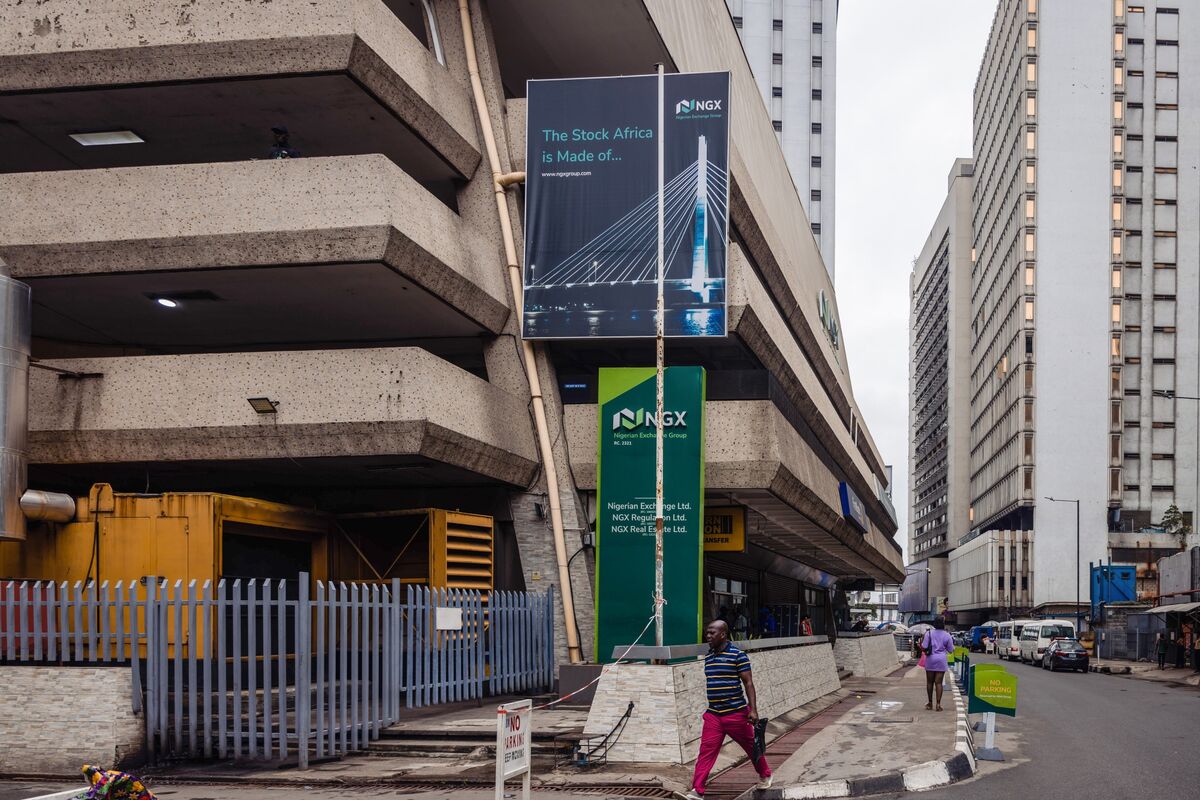

Nigerian Exchange Expands Trading Hours as FTSE Russell Signals Market Rebound
Lagos, Nigeria – In a bold move signaling renewed confidence in Africa’s largest economy, the Nigerian Exchange Group (NGX) has announced extended trading hours for equities, coinciding with FTSE Russell’s decision to reinstate Nigeria in its frontier markets index. The dual developments mark a pivotal moment for the country’s financial markets, which have faced severe liquidity challenges and foreign investor exodus in recent years.
The NGX will expand its trading session by 90 minutes, operating from 9:30 a.m. to 2:30 p.m. local time starting September 30, a move designed to attract global investors and improve market accessibility. The decision comes just weeks after FTSE Russell confirmed Nigeria’s return to its Frontier Markets Index in September 2024, following a two-year exclusion due to currency restrictions and repatriation issues. Analysts say the twin measures could reignite foreign portfolio inflows into a market that has struggled with dollar shortages and macroeconomic instability.
A Market in Recovery
Nigeria’s stock exchange, valued at over $50 billion, has long been a bellwether for sub-Saharan Africa’s financial health. However, persistent foreign exchange bottlenecks, inflation nearing 30%, and policy uncertainties under former President Muhammadu Buhari’s administration led to a dramatic withdrawal of international capital. At its lowest point in 2022, daily trading volumes plummeted to a fraction of pre-pandemic levels, and the benchmark NGX All-Share Index lagged behind peers in Kenya and South Africa.
FTSE Russell’s delisting in 2022 dealt a symbolic blow, compounding pressure on regulators to implement reforms. The Central Bank of Nigeria (CBN) responded with sweeping changes under Governor Olayemi Cardoso, including a unified exchange rate system and tighter monetary policies to stabilize the naira. These efforts, alongside President Bola Tinubu’s aggressive economic liberalization agenda, have gradually restored investor confidence.
“Rejoining the FTSE Russell index is a watershed moment,” said Abiodun Keripe, head of research at Lagos-based investment firm Afrinvest. “It validates Nigeria’s progress in resolving FX liquidity issues and sends a clear signal that the market is reopening for business.”
Extended Hours, Broader Horizons
The NGX’s extended trading window—the first such adjustment in over a decade—aims to align Lagos more closely with major African exchanges like Johannesburg (6.5-hour sessions) and Cairo (7 hours). Market operators argue the change will enhance liquidity by accommodating international traders across time zones while allowing domestic investors more flexibility.
“Longer hours mean greater opportunities for price discovery and reduced volatility,” noted NGX CEO Temi Popoola. “This is part of a broader strategy to deepen our capital markets and integrate with global financial systems.”
The move has drawn cautious optimism. While Nigerian equities remain undervalued compared to emerging-market counterparts—trading at a price-to-earnings ratio of just 6.5 versus 12.5 for the MSCI Emerging Markets Index—analysts say improved FX liquidity and corporate earnings could trigger a re-rating.
Challenges Remain
Despite the upbeat developments, structural hurdles persist. Nigeria’s economy, though recovering, remains vulnerable to oil price shocks and energy shortages. The World Bank projects GDP growth at just 3.3% in 2024, insufficient to curb soaring poverty rates. Meanwhile, lingering concerns about policy reversals and bureaucratic delays could temper investor enthusiasm.
“Market access is improving, but Nigeria still needs to demonstrate sustainable reforms,” cautioned Virág Fórizs, Africa economist at Capital Economics. “Investors will watch whether the CBN can maintain forex stability during election cycles and external shocks.”
Regional Implications
Nigeria’s reintegration into global indices could have ripple effects across African capital markets. As the continent’s most populous nation and second-largest economy, its performance often sets trends for frontier investors. A successful turnaround may bolster sentiment toward other high-risk, high-reward markets like Ghana and Egypt, which face similar currency crises.
For now, the focus remains on execution. If Nigeria sustains its reform momentum, the NGX could reclaim its status as a gateway to African growth—a prospect that hinges as much on political will as on market mechanics. As one Lagos-based trader put it: “The doors are reopening, but walking through them requires trust we’re still rebuilding.”
The coming months will test whether Africa’s sleeping giant can turn cautious optimism into lasting revival.
