



Global Security Alert: Police Investigate Potential Criminal Tampering of Food Products in UK Retail Chain
A Sinister Discovery Sparks International Concern
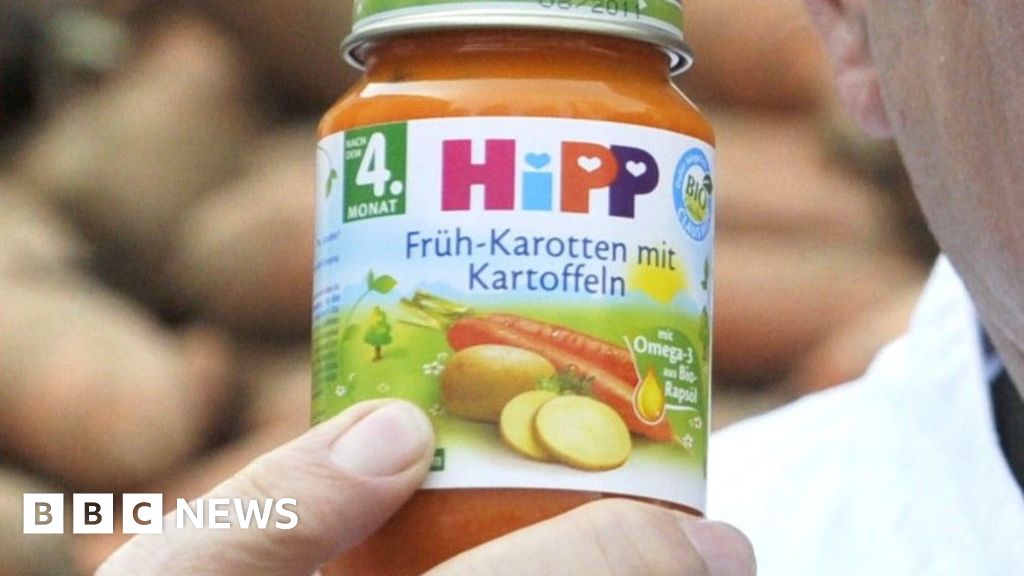
In a chilling development that has sent shockwaves through consumer safety circles, UK police have launched a criminal investigation into allegations that food products sold at Spar supermarkets may have been deliberately tampered with. The probe centers on jars found in stores, raising fears of potential sabotage—a scenario that echoes past global food contamination scandals. With supply chains already strained by geopolitical tensions and economic instability, this incident underscores the ever-present threat of malicious interference in everyday goods, a risk that transcends borders and demands urgent international attention.
The Investigation: What We Know So Far
Authorities have remained tight-lipped about specifics, but sources confirm that forensic teams are examining multiple jars for signs of deliberate contamination. While no injuries or illnesses have been reported, the mere possibility of intentional tampering has triggered alarm. Spar, a multinational retail giant with stores across Europe, Africa, and Asia, has yet to issue a full statement but is cooperating with law enforcement.
The case bears eerie similarities to past food terrorism incidents, such as the 1982 Chicago Tylenol poisonings and the 2008 Chinese milk scandal, where criminal interference led to widespread fatalities and eroded public trust. Given Spar’s global footprint, regulators worldwide are bracing for potential ripple effects.
Why This Matters Beyond the UK
Food security is a cornerstone of global stability, and any breach—whether accidental or intentional—can have cascading consequences. In an era of heightened cyberwarfare, supply chain disruptions, and geopolitical strife, the specter of product tampering takes on new urgency.
- Economic Impact: A confirmed case of sabotage could trigger mass recalls, devastating supplier networks and stock markets.
- Public Trust: Consumer confidence in pre-packaged goods, already fragile post-pandemic, could plummet.
- Global Precedent: If proven deliberate, this could signal a dangerous new tactic in corporate sabotage or even state-sponsored hybrid warfare.
Experts warn that modern supply chains, while efficient, are vulnerable to bad actors. The World Health Organization (WHO) has long cautioned that food terrorism remains an underprepared-for threat, with potential to cause not just harm but societal panic.
Historical Context: A Recurring Nightmare
Deliberate product contamination is not new. The 1980s Tylenol murders in the U.S. led to tamper-proof packaging laws, while the 2013 horse meat scandal in Europe exposed systemic fraud. More recently, the 2021 baby formula crisis in the U.S. highlighted how supply chain weaknesses can be exploited.
What sets this case apart is its timing. With global tensions at a boiling point—from Ukraine to Taiwan—the possibility of sabotage as a destabilization tactic cannot be ignored. Intelligence agencies have previously warned that food and pharmaceutical supply chains are prime targets for both criminals and hostile states.
The Human Cost of Uncertainty
While no casualties have been reported, the psychological toll is immediate. Shoppers in affected regions are second-guessing everyday purchases, a grim reminder of how quickly安全感 can unravel. “I never thought twice about buying jam before,” one London resident told reporters. “Now I’m checking every seal.”
This erosion of trust is precisely why such cases demand swift, transparent action. The longer ambiguity persists, the deeper the scars on consumer behavior—and the greater the economic fallout.
What Comes Next?
The investigation’s findings will determine whether this is an isolated act or part of a broader pattern. Key questions remain:
- Was this an inside job, an external attack, or a hoax?
- Are other retailers or products at risk?
- How will governments and corporations tighten safeguards?
Interpol and Europol have been briefed, suggesting concerns over cross-border implications. Meanwhile, food safety agencies from the U.S. FDA to the EU’s EFSA are reviewing their own monitoring protocols.
A Call for Vigilance in a Fragile World
As authorities race for answers, this incident serves as a stark wake-up call. In an interconnected world, a single act of tampering can reverberate across continents, shaking economies and unsettling millions. Whether criminal negligence or something more sinister, the Spar case underscores a brutal truth: in the age of globalization, no product—and no consumer—is ever truly safe without relentless oversight.
The days ahead will test the resilience of systems meant to protect us. One thing is certain: the world will be watching.
