



Pope’s Final Gift to Gaza Children Stalled as Aid Groups Await Entry Permit
The last humanitarian gesture of a global spiritual leader now hangs in bureaucratic limbo, underscoring the deepening crisis in Gaza and the challenges of delivering aid to a war-torn enclave.
A Final Act of Compassion
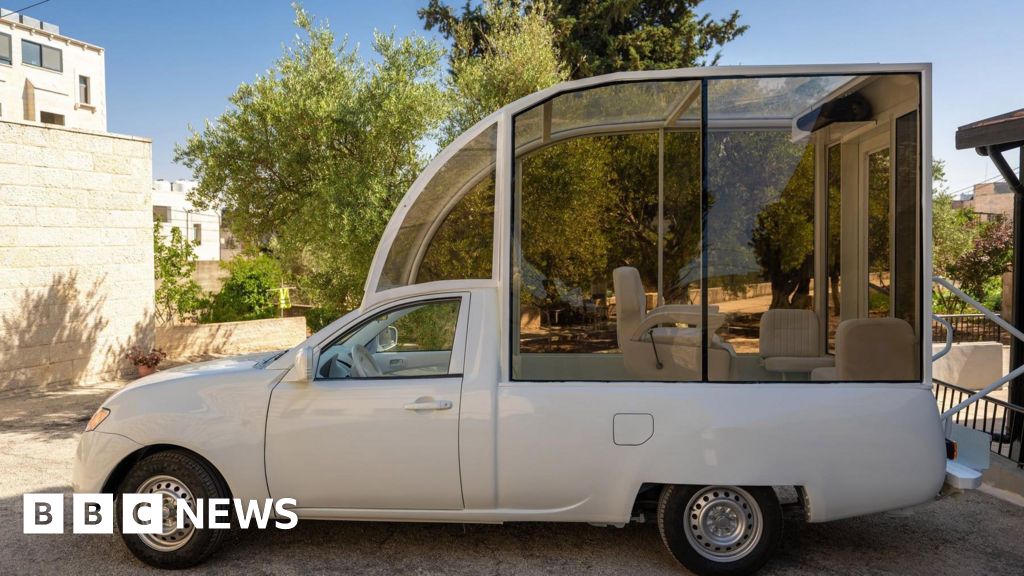
In one of his final acts, the late Pope Francis sought to bring a measure of hope to the children of Gaza by donating his official vehicle for their use. The armored Mercedes-Benz, a symbol of his papacy, was intended to be repurposed to transport young victims of war to medical care or safe spaces. Yet, weeks after his passing, the vehicle remains stranded, awaiting an entry permit into the besieged Palestinian territory.
The donation was coordinated through Aid to the Church in Need, a Catholic charity that supports persecuted Christians and vulnerable communities worldwide. Despite high-level appeals, Israeli and Egyptian authorities—who control Gaza’s borders—have yet to grant clearance. The delay highlights the broader struggles faced by humanitarian organizations operating in one of the world’s most volatile regions.
Gaza’s Dire Humanitarian Crisis
Gaza has endured near-constant conflict for decades, but the latest Israel-Hamas war has pushed its infrastructure to the brink. Over 2 million Palestinians, nearly half of them children, face severe shortages of food, clean water, and medical supplies. The United Nations warns that famine-like conditions are emerging, with malnutrition rates soaring among minors. Hospitals, already crippled by fuel and equipment shortages, are overwhelmed by casualties from airstrikes and ground fighting.
Against this backdrop, the pope’s vehicle—though a single gesture—symbolizes the international community’s fraught efforts to alleviate suffering. “It’s not just about a car,” said a spokesperson for Aid to the Church in Need. “It’s about the message it sends: that even in death, the pope wanted these children to know they are not forgotten.”
Global Context: Aid Access Under Scrutiny
The stalled donation reflects a wider pattern of aid obstruction in conflict zones. Since the October 7 Hamas attacks and Israel’s subsequent military campaign, humanitarian access to Gaza has been heavily restricted. The UN and NGOs report that only a fraction of needed supplies are entering daily, with lengthy inspections and security concerns causing bottlenecks.
International law mandates that warring parties facilitate humanitarian relief, but enforcement remains weak. The U.S. and EU have repeatedly urged Israel to expedite aid, yet little progress has been made. Meanwhile, Egypt—which shares a border with Gaza—has kept its Rafah crossing tightly controlled, citing security risks.
The pope’s vehicle is a microcosm of this gridlock. Though non-controversial in nature, its entry requires approvals from multiple stakeholders, each wary of granting concessions that could be politically sensitive.
Why This Matters Beyond Gaza
The standoff carries implications far beyond the Middle East. First, it tests the credibility of global institutions and religious leaders in advocating for war victims. If a high-profile donation from the Vatican cannot pass through, what hope do smaller NGOs have?
Second, it underscores the weaponization of aid in modern warfare. From Syria to Sudan, humanitarian assistance is increasingly politicized, with access granted or denied as a bargaining chip. The Gaza case sets a dangerous precedent, suggesting that even symbolic gestures of goodwill can be thwarted by bureaucracy.
Finally, it risks further eroding public trust in diplomatic solutions. With ceasefire talks repeatedly collapsing, and aid delays fueling desperation, radical factions may exploit the vacuum—prolonging violence and instability.
The Human Cost of Delay
For Gaza’s children, the consequences are immediate. Many suffer from untreated wounds, trauma, and preventable diseases. The pope’s vehicle, while not a panacea, could have provided critical transport for those cut off from care. “Every day we wait, another child slips through the cracks,” said a Gaza-based doctor working with Médecins Sans Frontières.
Parents in Rafah and Khan Younis echo the frustration. “We see trucks stuck at the border while our kids go hungry,” said one father. “If they can’t even let in a gift from the pope, what does that say about their priorities?”
A Test of Global Conscience
As the world watches, the fate of the pope’s final wish becomes a litmus test for humanity’s commitment to war’s most vulnerable. Will political red tape override compassion? Or can diplomatic pressure unlock a small but meaningful act of mercy?
The answer may define not just Gaza’s future, but the international community’s ability to uphold its own principles in an age of fractured alliances and escalating conflicts. For now, the car sits idle—a silent testament to the gap between intention and action in the world’s most unforgiving war zones.
In the end, the legacy of a pope who championed peace may hinge on whether a single vehicle can cross a border. And in that struggle lies a sobering truth: even the simplest acts of kindness are no match for the complexities of war.
