


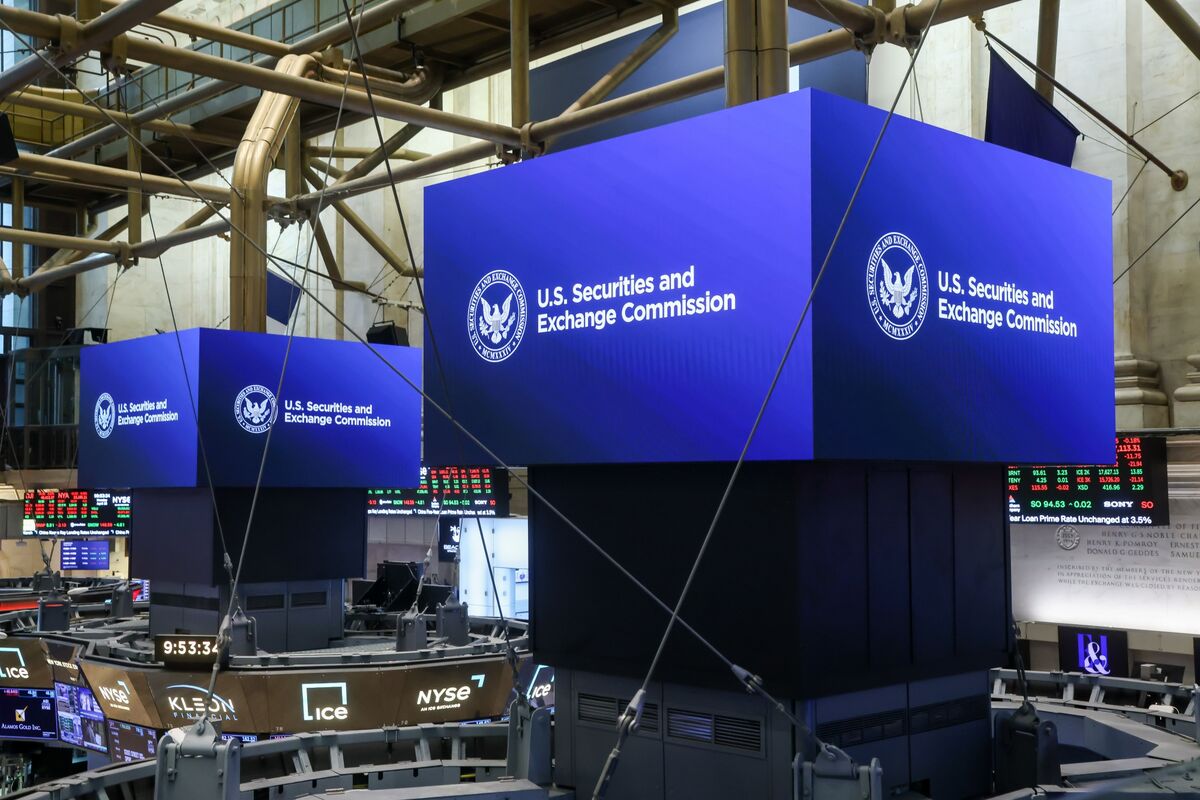

White House Evaluates SEC Rule Changes to Streamline Public Offerings and Capital Raising
In a move that could reshape the landscape of American capital markets, the White House is currently reviewing a set of proposed rule changes by the U.S. Securities and Exchange Commission (SEC) aimed at simplifying the process for companies to go public or raise capital. The proposed regulations, which focus on easing disclosure requirements and accelerating the registration process, are designed to reduce barriers for businesses seeking to tap into public markets. If approved, these changes could mark a significant shift in how companies access funding, potentially benefiting startups, small businesses, and established corporations alike.
The SEC’s proposed overhaul comes at a time when policymakers are grappling with concerns about the competitiveness of U.S. financial markets globally. Over the past decade, the number of publicly listed companies in the U.S. has declined, driven in part by the onerous costs and complexities associated with initial public offerings (IPOs). Meanwhile, private markets have flourished, with many companies opting to stay private longer or raising capital through alternative means such as private equity and venture funding. Against this backdrop, the SEC’s initiative seeks to recalibrate the balance between investor protection and market accessibility, offering a streamlined pathway for companies to enter public markets.
The Proposed Changes: Key Highlights
At the heart of the SEC’s proposal are measures to reduce the regulatory burden on companies preparing to go public. One of the most notable changes involves easing disclosure requirements, particularly for smaller issuers. Under the current framework, companies are required to provide extensive financial and operational information during the IPO process, which can be both time-consuming and costly. The proposed rules would allow certain companies to disclose less information upfront, focusing instead on material risks and other essential details.
Additionally, the SEC aims to expedite the registration process, enabling companies to move more quickly from filing to listing. This acceleration could be particularly advantageous for startups and growth-stage companies, which often face tight timelines when raising capital. The regulator also plans to introduce measures to simplify compliance for companies that are already public, reducing the administrative burden associated with ongoing reporting obligations.
Another key aspect of the proposal is the expansion of eligibility for smaller public offerings. By raising the threshold for certain exemptions, the SEC hopes to encourage more companies to pursue smaller-scale IPOs or direct listings. This could open up new opportunities for businesses that may not have the resources or scale to undertake a traditional IPO but still wish to access public markets.
Implications for Businesses and Investors
The potential impact of these rule changes is wide-ranging, with implications for both issuers and investors. For companies, the streamlined process could lower the cost of going public, making it a more attractive option for a broader range of businesses. This is particularly significant for startups and small-to-medium enterprises (SMEs), which often struggle to justify the expense and complexity of an IPO. By reducing the barriers to entry, the SEC’s proposal could democratize access to public markets, fostering innovation and economic growth.
However, the changes also raise important questions about investor protection. Critics argue that easing disclosure requirements could compromise transparency, leaving investors with insufficient information to make informed decisions. This concern is especially pertinent for retail investors, who may lack the resources to conduct independent due diligence. Proponents of the proposal counter that the changes strike a reasonable balance, ensuring that companies provide essential information while minimizing unnecessary administrative burdens.
For public markets, the rule changes could help reverse the trend of declining IPOs and dwindling listings. Over the past 20 years, the number of publicly traded companies in the U.S. has fallen by nearly half, from over 8,000 in 1996 to fewer than 4,000 today. This decline has been attributed to various factors, including the rise of private capital, stricter regulatory requirements, and the increasing costs of compliance. By making public markets more accessible, the SEC’s proposal could reinvigorate interest in IPOs and encourage more companies to list on U.S. exchanges.
Broader Context: Competing with Global Markets
The SEC’s initiative also reflects broader concerns about the competitiveness of U.S. capital markets on the global stage. In recent years, exchanges in Europe, Asia, and other regions have introduced measures to attract listings, offering more flexible regulatory environments and lower costs. Notably, London’s financial hub has sought to position itself as a destination for tech IPOs, while Hong Kong and Shanghai have emerged as key players in Asian markets.
The U.S. has traditionally been the world’s premier destination for IPOs, thanks in part to its deep pool of capital and robust investor base. However, the declining number of public companies has sparked fears that the country may be losing its edge. By modernizing its regulatory framework, the SEC aims to reinforce the U.S. market’s position as a leader in global finance.
Political and Regulatory Considerations
The White House’s review of the SEC’s proposal underscores the political dimensions of this issue. The Biden administration has emphasized the importance of fostering economic growth and innovation, particularly in the wake of the COVID-19 pandemic. At the same time, the administration has faced pressure from progressive lawmakers and consumer advocacy groups to ensure that regulatory reforms do not undermine investor protections.
The outcome of the White House’s review could hinge on how it balances these competing priorities. If approved, the rule changes would likely be implemented in stages, with the SEC soliciting public feedback and making adjustments as needed. The process could also attract scrutiny from Congress, where lawmakers may hold hearings to assess the potential risks and benefits of the proposal.
Looking Ahead: A Delicate Balancing Act
As the White House deliberates on the SEC’s proposal, the fate of these rule changes remains uncertain. While they hold the promise of revitalizing public markets and expanding access to capital, they also carry risks that must be carefully weighed. The challenge for policymakers lies in crafting a regulatory framework that supports economic growth without compromising the integrity of U.S. financial markets.
Ultimately, the success of these reforms will depend on their ability to strike a delicate balance: fostering innovation and competition while maintaining the trust and confidence of investors. As the global financial landscape continues to evolve, the U.S. faces a critical test of its ability to adapt and lead in an increasingly competitive environment. Whether these rule changes mark a turning point or a misstep remains to be seen.
