


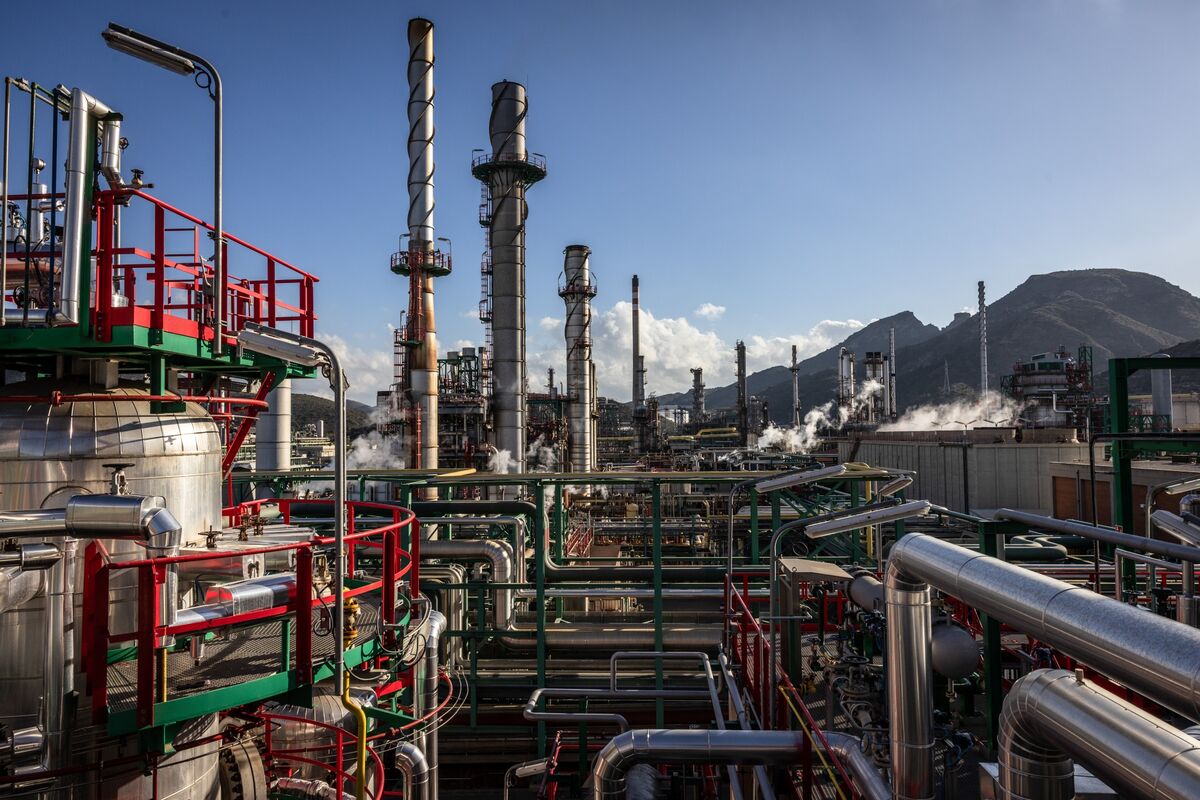

Major Oil Giants Accused of Anti-Competitive Practices in Spanish Market
Fuel Wholesaler Alleges Market Abuse by Repsol, BP, and Other Industry Players
Madrid, Spain – A Spanish fuel wholesaler has filed a formal complaint against global energy giants Repsol SA, BP Plc, and several other oil firms, accusing them of abusing their market dominance and engaging in anti-competitive practices. The allegations, which could have far-reaching implications for Europe’s energy sector, claim that these companies have systematically stifled competition, leading to inflated fuel prices and restricted market access for smaller distributors.
The complaint, lodged with Spain’s National Markets and Competition Commission (CNMC), alleges that the oil firms engaged in coordinated pricing strategies, supply restrictions, and exclusionary tactics that disadvantaged independent wholesalers. If proven, these practices could violate European Union competition laws, potentially triggering hefty fines and regulatory intervention.
The Allegations: Price Fixing and Market Manipulation
According to the complaint, the accused companies allegedly leveraged their dominant positions in Spain’s refined fuels market to impose unfair trading conditions on smaller competitors. Among the key allegations:
- Price Fixing: The firms are accused of artificially inflating fuel prices through coordinated pricing mechanisms, making it difficult for independent wholesalers to compete.
- Supply Restrictions: Some distributors claim they were denied fair access to fuel supplies, forcing them to either accept unfavorable terms or exit the market entirely.
- Exclusive Agreements: The complaint suggests that major oil companies pressured retailers into exclusive supply contracts, further limiting competition.
Spain’s fuel market has long been dominated by a handful of major players, with Repsol and BP controlling a significant share. The country’s reliance on imported refined fuels—particularly diesel—has made the sector vulnerable to supply chain manipulations.
Industry-Wide Scrutiny Amid Rising Fuel Costs
The accusations come at a time of heightened scrutiny over energy pricing across Europe. With fuel costs remaining volatile due to geopolitical tensions and post-pandemic demand fluctuations, regulators are increasingly vigilant against potential anti-competitive behavior.
The European Commission has previously fined oil companies for similar violations. In 2016, it imposed penalties totaling €485 million on Repsol and others for participating in a cartel that fixed the price of bitumen, a key material in road construction. BP has also faced past allegations of market manipulation, including a 2019 probe into suspected gasoline price-fixing in the Netherlands.
Legal and Economic Ramifications
If the CNMC finds merit in the complaint, it could launch a formal investigation, potentially leading to sanctions under Spain’s competition laws and EU antitrust regulations. Penalties for such violations can reach up to 10% of a company’s global turnover, a significant financial risk for the accused firms.
Beyond fines, the case could prompt broader reforms in Spain’s fuel distribution sector. Consumer advocacy groups have long argued that limited competition leads to higher prices at the pump, disproportionately affecting small businesses and low-income households.
Company Responses
Repsol and BP have denied any wrongdoing. In statements to the press, both companies emphasized their compliance with competition laws and commitment to fair business practices.
“Repsol operates under strict adherence to all regulatory requirements and firmly rejects any allegations of anti-competitive behavior,” a company spokesperson said.
BP echoed similar sentiments, stating, “We take competition compliance seriously and will fully cooperate with any regulatory inquiries.”
Other implicated firms have yet to issue public responses.
Broader Implications for Europe’s Energy Market
The case highlights ongoing concerns about market concentration in Europe’s energy sector. Despite EU efforts to promote competition, major oil firms continue to wield significant influence over fuel distribution networks. Analysts suggest that stricter oversight and more robust enforcement may be necessary to ensure a level playing field.
Meanwhile, consumer groups are calling for greater transparency in fuel pricing mechanisms. “When a few corporations control the market, consumers pay the price—literally,” said María López, a spokesperson for Spain’s Consumer Rights Organization. “Regulators must act decisively to prevent abuse.”
What Comes Next?
The CNMC is expected to review the complaint in the coming weeks before deciding whether to open a formal probe. If an investigation proceeds, it could take months—or even years—before a resolution is reached.
For now, the allegations serve as a stark reminder of the delicate balance between corporate power and fair competition in critical industries. As energy markets evolve amid the transition to renewables, ensuring equitable access and pricing will remain a key challenge for regulators worldwide.
The outcome of this case could reshape Spain’s fuel industry—and set a precedent for how Europe tackles anti-competitive practices in the energy sector.
