



Assassination Attempts and Evolving Presidential Security: A Historical Perspective
Washington, D.C. – The recent shooting incident near the White House Correspondents’ Dinner has reignited discussions about the persistent threats faced by U.S. presidents and how security measures have evolved in response. The event, attended by journalists, politicians, and dignitaries, was briefly disrupted by gunfire—a stark reminder of the vulnerabilities that accompany public appearances by the nation’s leaders.
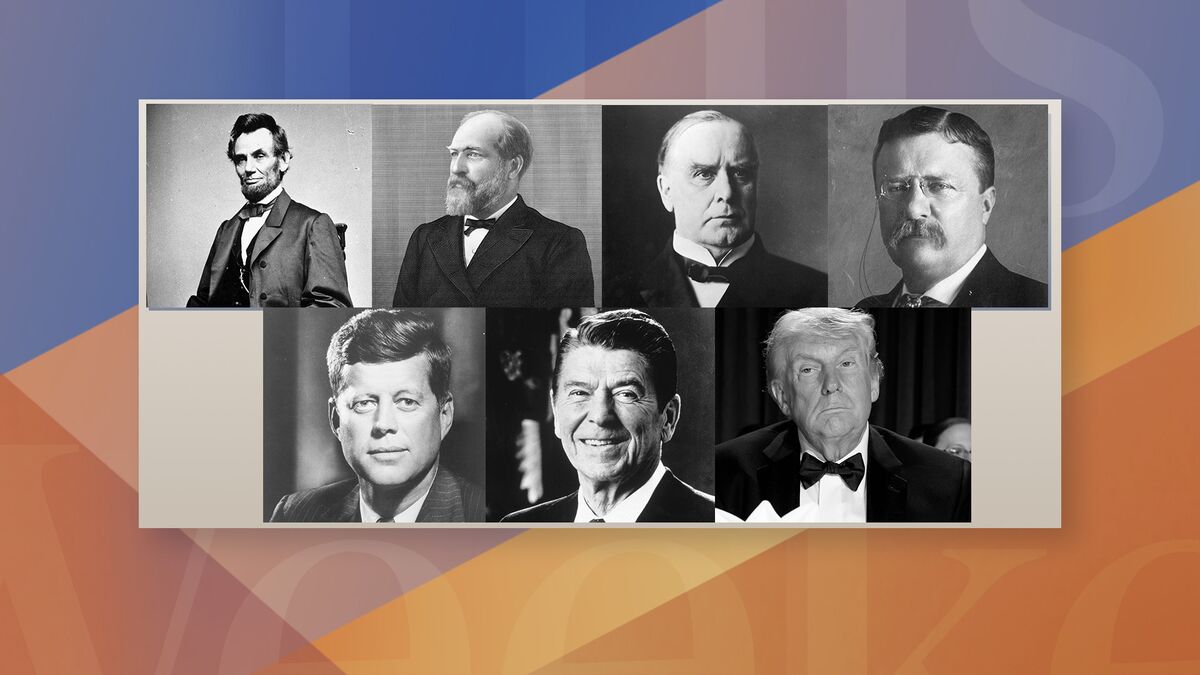
Historically, assassination attempts against U.S. presidents have not only altered security protocols but also reshaped the relationship between the presidency and the public. From Abraham Lincoln’s murder in 1865 to the near-fatal shooting of Ronald Reagan in 1981, each incident has forced a reassessment of how to protect the commander-in-chief without isolating them from the American people.
A Legacy of Violence Against Presidents
The United States has witnessed four successful presidential assassinations—Lincoln (1865), James A. Garfield (1881), William McKinley (1901), and John F. Kennedy (1963)—along with numerous failed attempts. These attacks have often occurred during moments of heightened political tension, underscoring the risks of public exposure.
Lincoln’s assassination at Ford’s Theatre exposed the lack of formalized presidential protection, leading to the eventual creation of the Secret Service in 1865—though initially tasked with combating counterfeiting, not guarding presidents. It wasn’t until McKinley’s killing that Congress formally assigned the Secret Service to protect the president.
The 20th century saw further refinements. After Kennedy’s assassination in Dallas, security measures expanded dramatically, including reinforced vehicles, advanced intelligence-sharing, and stricter crowd controls. The attempted assassination of Reagan in 1981 further accelerated changes, particularly in medical response protocols and the use of armored limousines.
Modern Security Challenges
Today, the U.S. Secret Service operates with a budget exceeding $2 billion, employing cutting-edge technology and extensive manpower. Yet, as the recent shooting near the White House Correspondents’ Dinner demonstrates, threats persist. The event—a high-profile gathering of media and political elites—was a potential target, raising questions about whether security can ever be absolute.
Experts note that modern threats are more complex than in previous eras. The rise of social media has enabled lone actors to radicalize quickly, while advancements in weaponry pose new challenges. Additionally, presidents today face a delicate balance: maintaining public accessibility while minimizing risk.
The Political and Psychological Impact
Beyond physical security, assassination attempts have profound psychological and political consequences. Reagan’s calm demeanor after being shot bolstered his image as a resilient leader, while Kennedy’s death left an indelible scar on the national psyche.
The Secret Service now employs behavioral analysts to assess threats, while intelligence agencies monitor potential risks more aggressively. However, critics argue that no system is foolproof, particularly in an era of deep political divisions where rhetoric can incite violence.
Looking Ahead: Can Risks Be Fully Mitigated?
As security measures grow more sophisticated, so do the methods of those seeking to bypass them. The recent incident serves as a sobering reminder that even the most fortified protections have limitations.
While the Secret Service continues to adapt—utilizing drone surveillance, AI-driven threat detection, and tighter venue controls—the fundamental challenge remains: how to preserve the openness of democracy while ensuring the safety of its leaders.
In the words of one former agent, “You can’t eliminate risk—only manage it.” And in an age of polarization and rapid technological change, that task has never been more daunting.
— The balance between security and liberty remains an enduring tension in the American experiment.
