


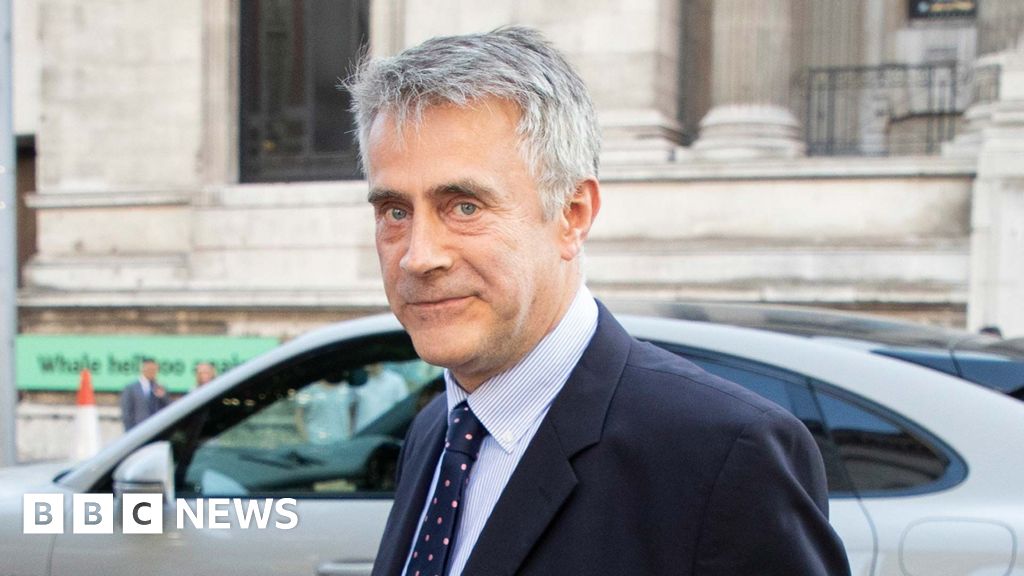

Christopher Harborne Considers UK Return Amid Donation Cap Concerns
British businessman and philanthropist Christopher Harborne has revealed he is contemplating a return to the United Kingdom as a strategic move to navigate a recently imposed cap on political donations. Harborne, a prominent figure in political funding circles, particularly known for his support of conservative causes, made the announcement during a candid interview, sparking discussions about the evolving landscape of campaign finance regulations and their potential loopholes.
Harborne’s potential relocation comes in response to new UK electoral laws that limit the amount individuals can donate to political parties or candidates. These caps, introduced as part of broader efforts to increase transparency and reduce the influence of wealthy donors, have faced criticism from some quarters. Advocates argue they promote fairness, while opponents claim they stifle democratic participation.
“If relocating to the UK ensures I can continue supporting causes I believe in, then it’s something I’m seriously considering,” Harborne stated. “The current cap imposes unnecessary restrictions on individuals who wish to contribute to the political process.”
Harborne, who currently resides in Thailand, has been a significant donor to various political campaigns and organizations, both in the UK and internationally. His contributions have often been directed toward conservative groups, including those advocating for Brexit and smaller government. His potential return to the UK underscores the lengths to which high-profile donors may go to circumvent new regulations.
The UK’s Electoral Commission, the body responsible for overseeing campaign finance, has yet to comment on Harborne’s remarks. However, political analysts suggest his move could test the resilience of the new rules. “This highlights a broader issue with campaign finance laws—donors finding ways to bypass restrictions,” said Dr. Emily Carter, a political scientist specializing in electoral systems. “It raises questions about whether these caps achieve their intended goals or simply push donations into less transparent channels.”
The donation cap, introduced earlier this year, limits individual contributions to £10,000 per year for political parties and £2,000 for individual candidates. Proponents argue that such measures are essential to prevent undue influence from wealthy individuals or corporations. However, critics contend that they disproportionately impact smaller parties and grassroots movements, which often rely heavily on individual donors.
Harborne’s potential return to the UK also sheds light on the global nature of political funding. With donors and funds often crossing borders, regulating political donations has become increasingly complex. “The Harborne situation underscores the challenges of implementing effective campaign finance laws in a globalized world,” said Carter. “Policymakers need to consider not just domestic regulations but also international loopholes.”
The businessman’s announcement has drawn mixed reactions from political figures and advocacy groups. Some view it as a legitimate response to restrictive laws, while others see it as an attempt to exploit regulatory gaps. “This is precisely why we need stronger, more comprehensive campaign finance reforms,” said Samira Patel, spokesperson for the nonpartisan group Fair Vote UK. “These laws should be designed to close loopholes, not create them.”
Harborne’s potential return also raises questions about residency requirements and their role in campaign finance. Under current UK law, residents are subject to different donation limits than non-residents, creating incentives for individuals to relocate to maintain their political influence. “If someone is willing to move countries just to donate more, it suggests there’s a flaw in the system,” said Patel.
The broader implications of Harborne’s decision extend beyond the UK. Campaign finance regulations vary widely across countries, and donors often adapt their strategies to maximize their impact. This trend highlights the need for international cooperation in addressing campaign finance issues, experts say. “Without a coordinated global approach, donors will continue to exploit jurisdictional differences,” said Carter.
As Harborne weighs his options, his case serves as a microcosm of the ongoing debate over money in politics. Balancing transparency, fairness, and freedom of participation remains a daunting challenge for policymakers worldwide. “This is a complex issue with no easy solutions,” said Patel. “But it’s one we can’t afford to ignore.”
Looking ahead, Harborne’s potential return to the UK could prompt further scrutiny of the country’s campaign finance laws. If he proceeds with the move, it may lead to calls for stricter residency requirements or additional measures to close loopholes. Regardless of the outcome, his case underscores the enduring tension between regulating political donations and preserving individual freedoms in democratic systems.
The coming months will likely see increased debate on this issue, with policymakers, advocacy groups, and citizens alike grappling with how best to ensure a fair and transparent political process. As Harborne’s story demonstrates, the intersection of wealth, politics, and regulation remains as contentious as ever.
