



Hollywood Studios in Crisis: Hackman Capital Forced to Relinquish Prime LA Properties Amid Industry Downturn
Lenders Seize Control as Hollywood’s Real Estate Bubble Bursts
LOS ANGELES—Hackman Capital Partners, one of Hollywood’s most influential landlords and the largest independent owner of studios and soundstages, is being forced to surrender key entertainment properties across Los Angeles as lenders tighten their grip amid plunging real estate values and a prolonged slump in demand.
The dramatic shift marks a stunning reversal for the once-booming studio real estate market, which had been fueled by the streaming wars and pandemic-era production surges. Now, with major media companies cutting costs, streaming growth slowing, and interest rates remaining high, the financial strain has reached a breaking point for even the most established players.
From Boom to Bust: The Unraveling of Hollywood’s Studio Gold Rush
Just a few years ago, Los Angeles’ studio market was one of the hottest in commercial real estate. Tech giants like Netflix, Amazon, and Apple poured billions into content, sparking a scramble for soundstage space. Private equity firms and investors, including Hackman Capital, rushed to acquire and develop production facilities, betting that demand would keep soaring.
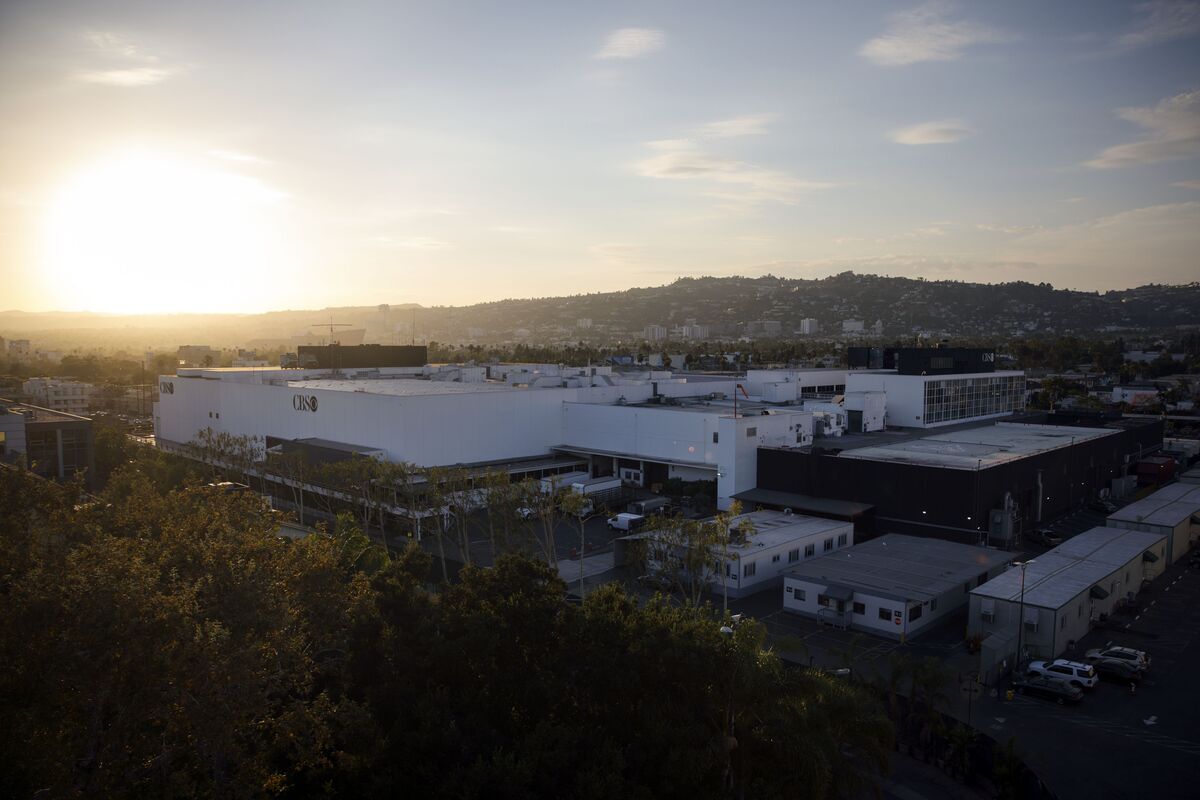
Hackman Capital, founded in 1986, became a dominant force, amassing a portfolio that includes the historic Culver Studios (former home of MGM’s golden-age classics) and the sprawling CBS Television City. The firm’s affiliate, the MBS Group, expanded aggressively, even launching a $1.5 billion studio development project in the UK.
But the landscape has shifted drastically. The post-pandemic slowdown in production, combined with Hollywood strikes and belt-tightening across the entertainment industry, has left many studios underutilized. At the same time, rising interest rates have made refinancing debt far more expensive, squeezing landlords who borrowed heavily during the boom.
Lenders Step In as Values Collapse
With property values in free fall, lenders are now stepping in to protect their investments. Multiple sources confirm that Hackman Capital has been pushed to relinquish control of several Los Angeles-area properties, though the exact number and locations remain undisclosed.
Industry analysts suggest that the firm’s highly leveraged position—common among real estate investors during the low-rate era—has left it vulnerable as the market corrects. Some of its assets, acquired at peak valuations, are now worth significantly less, triggering loan covenant breaches and forcing negotiations with creditors.
“This is a reckoning for the entire studio real estate sector,” said Martin Green, a commercial real estate analyst at CBRE. “The combination of oversupply, shrinking demand, and higher borrowing costs was unsustainable. We’re now seeing the fallout.”
Broader Implications for Hollywood’s Future
The distress in studio real estate reflects deeper challenges facing the entertainment industry. After years of unchecked spending, studios and streamers are now prioritizing profitability over growth, leading to fewer productions and tighter budgets.
The ripple effects extend beyond landlords. Smaller production companies, vendors, and crew members who relied on the boom are also feeling the pinch. Some industry veterans worry that LA’s status as the global entertainment capital could weaken if the downturn persists, with productions increasingly shifting to tax-friendly locations like Georgia, the UK, and Canada.
Yet, not all analysts are pessimistic. “This is a cyclical correction, not a collapse,” said Rebecca Lee, an entertainment economist at UCLA. “The long-term demand for content remains strong. But the market needed to cool off after the unsustainable highs of the streaming wars.”
What Comes Next?
For Hackman Capital, the immediate focus is stabilizing its portfolio. The firm may seek joint venture partners or sell non-core assets to reduce debt. Meanwhile, lenders are expected to either hold the properties until the market recovers or sell them to new investors at discounted rates.
The situation also presents opportunities for well-capitalized buyers. Private equity firms and international investors could swoop in to acquire prime studio assets at bargain prices, setting the stage for the next phase of Hollywood’s real estate evolution.
As the dust settles, one thing is clear: The golden age of easy money in studio real estate is over. The industry must now adapt to a new era of financial discipline—whether it’s ready or not.
