



Homelessness, Vandalism, and Potholes Dominate Local Election Conversations in the Midlands
As the Midlands gears up for its local elections on May 7, pressing issues like homelessness, vacant storefronts, vandalism, and crumbling infrastructure have dominated conversations among residents. The Midlands Metro tram system, a vital artery connecting Wolverhampton to Birmingham via West Bromwich, has become an unexpected forum for voters to voice their concerns and frustrations.
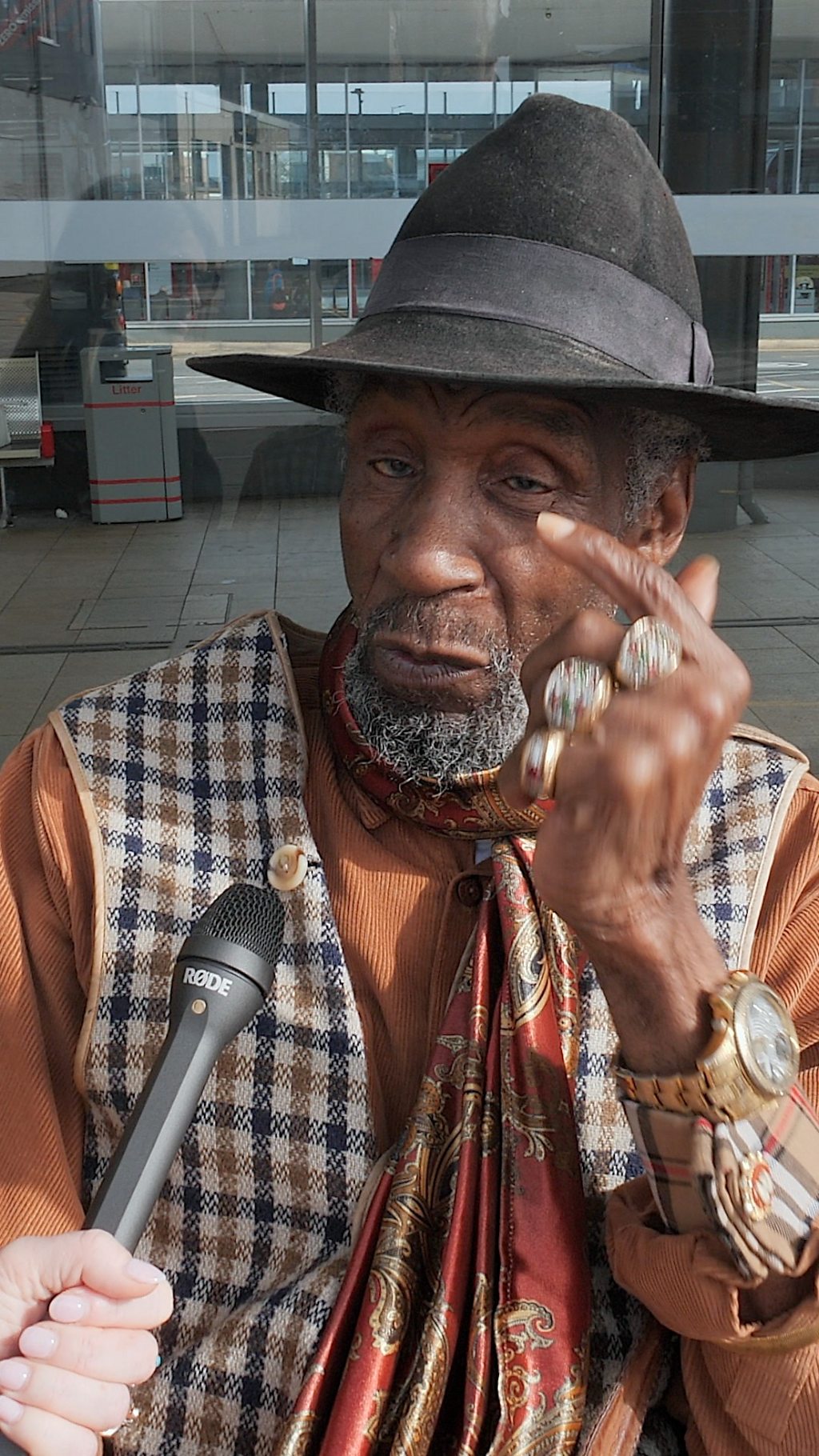
Political reporter Kathryn Stanczyszyn embarked on a journey along the tram route, engaging with passengers to gauge their priorities ahead of the elections. The feedback was stark: many residents feel their communities are grappling with worsening conditions and insufficient action from local authorities.
In Wolverhampton, passengers expressed dismay over the visible rise in homelessness. “It’s heartbreaking to see so many people sleeping rough,” said one commuter. “It’s not just about providing shelters—it’s about addressing the root causes like joblessness and mental health support.” Another passenger echoed this sentiment, calling for more robust policies to tackle housing shortages and economic inequality.
Empty shopfronts also featured prominently in the discussions. In West Bromwich, locals lamented the decline of their high street, with many businesses shuttered due to rising costs and the shift to online shopping. “It’s sad to see our town center looking deserted,” said a long-time resident. “We need incentives to bring businesses back and revitalize the area.”
Vandalism and antisocial behavior were flagged as persistent problems across the region. Passengers described feeling unsafe in certain areas due to graffiti, broken infrastructure, and a lack of policing. “You can’t ignore the damage anymore,” one rider remarked. “It’s hurting the community’s morale and driving people away.”
The state of roads and public spaces also drew sharp criticism. Potholes, a perennial issue in the Midlands, were cited as a symbol of broader neglect. “It’s not just the roads—parks are falling apart, and public transport isn’t reliable,” said another commuter. “We need proper investment here, not just quick fixes.”
These concerns come at a critical time for local councils, which face mounting pressure to deliver tangible improvements. With austerity measures still lingering from the national government and the economic fallout of the pandemic, many councils are struggling to balance budgets while addressing residents’ needs.
The Midlands Metro tram system itself, while a lifeline for many commuters, has not escaped scrutiny. Passengers called for more frequent services, better maintenance, and enhanced safety measures. “The tram is essential for getting around, but it’s not without its problems,” said a regular user. “Delays and breakdowns are too common.”
As election day approaches, candidates across the political spectrum are scrambling to address these issues in their campaigns. Labour, Conservatives, Liberal Democrats, and independent candidates alike are pledging to tackle homelessness, boost local economies, and improve infrastructure. However, voters remain skeptical, questioning whether promises will translate into action.
The outcome of these local elections could have significant implications for the Midlands. With residents demanding accountability and results, the councils elected on May 7 will face heightened scrutiny. A failure to address these pressing concerns could further erode public trust in local governance.
Looking ahead, the region’s ability to attract investment and foster community cohesion will hinge on the effectiveness of its elected leaders. The Midlands, a historically vibrant and industrious area, stands at a crossroads. The decisions made in the coming months—and the priorities of those elected—will shape the future of its towns and cities.
For now, the conversations on the Midlands Metro tram serve as a powerful reminder of the challenges facing the region—and the urgent need for solutions. As one passenger put it, “We need leaders who will listen, act, and make our communities feel alive again.”
