


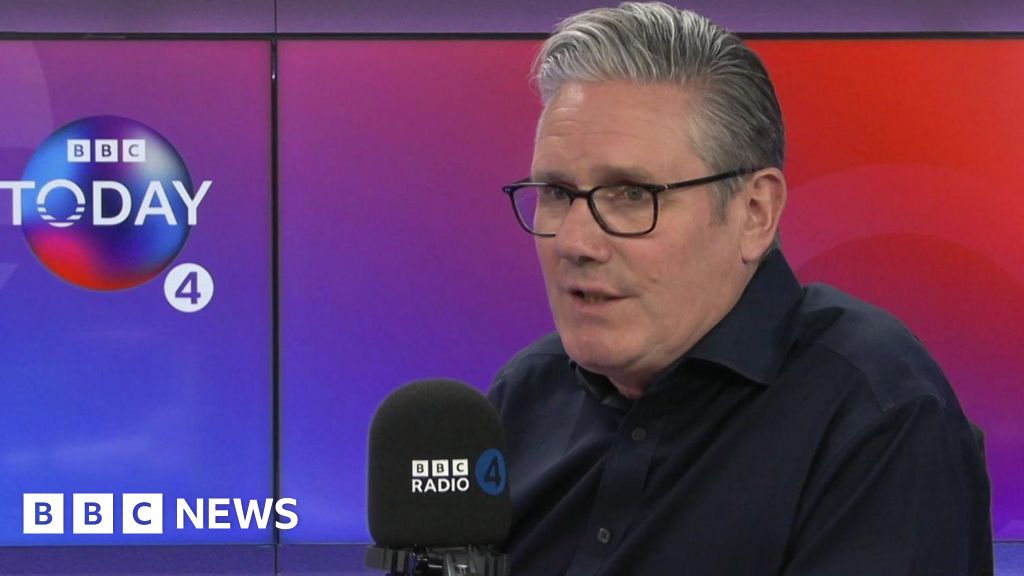

Prime Minister Expresses Concern Over Cumulative Impact of Protests on Jewish Community
The Prime Minister of the United Kingdom has raised alarms about the growing pressure on the Jewish community stemming from frequent protests and marches. In a recent statement, he emphasized that while individual demonstrations may seem isolated, their cumulative effect has created an increasingly hostile environment for Jewish citizens.
The remarks come amid heightened tensions in the UK following a series of large-scale protests linked to international conflicts. These events have drawn significant attention, with critics arguing that some demonstrations have crossed the line into antisemitism, exacerbating fears within the Jewish community. The Prime Minister stressed that the right to protest must not overshadow the responsibility to protect vulnerable groups.
Context of the Protests
The recent wave of demonstrations has largely centered on the ongoing conflict in the Middle East, with activists voicing strong opinions on both sides of the issue. While many participants aim to advocate for humanitarian causes, the Prime Minister warned that the tone and rhetoric of some gatherings have contributed to a climate of intimidation for Jewish individuals and organizations.
Reports of vandalism targeting Jewish-owned businesses, antisemitic chants, and harassment of community members have surged in recent weeks. Advocacy groups, including the Board of Deputies of British Jews, have documented these incidents, calling for swift action to address the rising tide of antisemitism.
Government Response
The Prime Minister’s comments reflect a broader governmental effort to balance the preservation of free speech with the need to safeguard minority communities. He acknowledged the importance of peaceful protest but underscored that antisemitism in any form is unacceptable.
“While we uphold the right to protest, we cannot ignore the real and cumulative impact these events are having on our Jewish neighbors,” he said. “It is our duty to ensure that everyone feels safe and respected in their own country.”
Law enforcement agencies have been instructed to monitor protests more closely and take action against any instances of hate speech or violence. The Prime Minister also urged community leaders and protest organizers to foster dialogue and ensure that demonstrations remain peaceful and inclusive.
Community Reactions
The Jewish community has expressed mixed reactions to the Prime Minister’s statement. While some welcomed the acknowledgment of their concerns, others criticized the government for not taking more decisive action sooner.
“The Prime Minister’s words are a step in the right direction, but words alone are not enough,” said a spokesperson for a prominent Jewish advocacy group. “We need concrete measures to protect our community and hold perpetrators accountable.”
Meanwhile, leaders from other minority groups have voiced solidarity with the Jewish community, emphasizing the importance of unity in the face of rising intolerance.
Why This Matters
The Prime Minister’s intervention highlights a broader societal challenge: how to navigate the complexities of free expression while preventing harm to marginalized groups. The situation also underscores the global ripple effects of international conflicts, which often manifest in domestic tensions and divisions.
For the Jewish community, the issue is deeply personal. Many have described feeling increasingly isolated and targeted, with the recent protests amplifying long-standing fears of antisemitism. Addressing these concerns is not only a matter of public safety but also a test of the UK’s commitment to diversity and inclusion.
Future Implications
The Prime Minister’s statement could signal a turning point in how the UK addresses protests and their wider societal impact. Moving forward, policymakers may face pressure to introduce new measures aimed at curbing hate speech and ensuring that public demonstrations do not become platforms for intolerance.
Additionally, the situation raises questions about the role of social media and public discourse in shaping perceptions and fueling tensions. As protests continue, leaders across the political spectrum will need to find ways to promote constructive dialogue and combat the spread of misinformation.
Ultimately, the Prime Minister’s remarks serve as a reminder of the delicate balance between individual freedoms and collective security. How the UK navigates this challenge in the coming months will have lasting implications for its social fabric and its reputation as a tolerant and inclusive society.
