


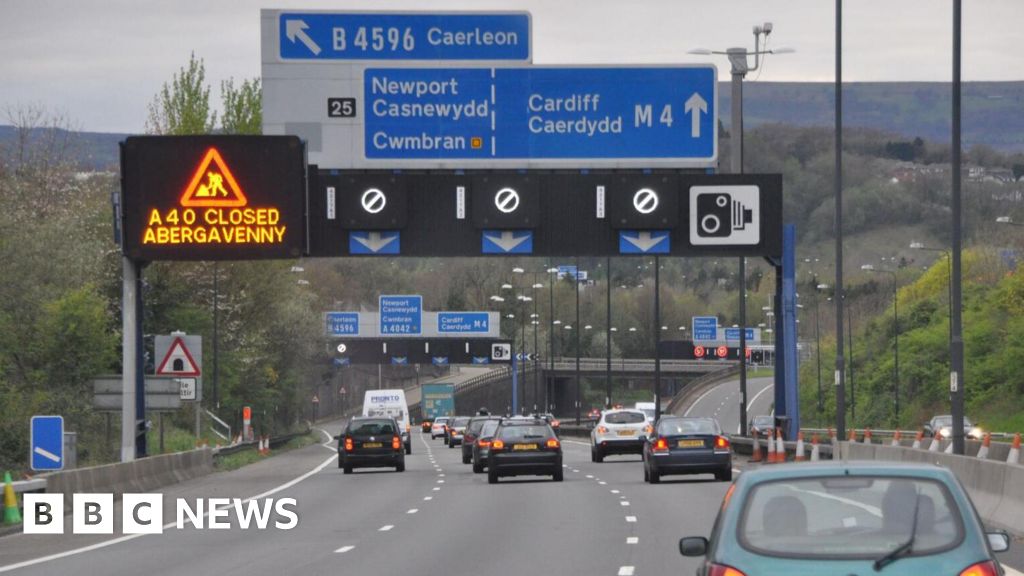

Welsh Political Landscape Shifts as M4 Relief Road Debate Resurfaces Ahead of Senedd Election
The controversial M4 relief road project could re-emerge as a key issue in Welsh politics, as parties position themselves ahead of the next Senedd election. The long-debated infrastructure plan, previously scrapped over cost and environmental concerns, is gaining renewed attention amid growing congestion and economic pressures in South Wales.
A Contentious History
First proposed decades ago, the M4 relief road was intended to ease traffic bottlenecks around Newport, where the motorway narrows to two lanes. In 2019, then-First Minister Mark Drakeford rejected the £1.6 billion scheme, citing environmental risks and high costs. The decision sparked backlash from business groups and some politicians, who argued the road was vital for Wales’ economic growth.
Now, with a Senedd election on the horizon, opposition parties are reviving the debate. The Welsh Conservatives have pledged to revisit the project, framing it as essential for reducing congestion and boosting regional connectivity. Meanwhile, Plaid Cymru and Welsh Labour remain divided, with some members pushing for alternative solutions like improved public transport.
Why It Matters
The M4 corridor is a critical artery for Wales, linking major hubs like Cardiff, Newport, and Swansea to England. Chronic delays cost businesses millions annually, and critics argue the lack of investment hinders Wales’ competitiveness. Proponents of the relief road insist it would unlock economic potential, while opponents warn of ecological damage to the Gwent Levels, a protected wetland.
The debate also reflects broader tensions over Wales’ infrastructure priorities. With climate targets tightening, the Welsh government faces pressure to balance economic needs with environmental commitments. The issue could become a defining battleground in the upcoming election, testing voter priorities between growth and sustainability.
Political Reactions
Welsh Conservative leader Andrew RT Davies has been vocal in advocating for the road’s revival, accusing the Welsh government of “neglecting vital infrastructure.” Meanwhile, Labour’s current First Minister Vaughan Gething has remained cautious, emphasizing the need for “sustainable alternatives.” Plaid Cymru has proposed redirecting funds toward rail and bus networks, arguing that a new road would only encourage more car dependency.
Business groups, including the South Wales Chamber of Commerce, have urged politicians to find a solution, warning that congestion stifles investment. Environmental organizations, however, remain steadfast in opposition, calling for greener transport policies instead.
What’s Next?
As election campaigns ramp up, the M4 relief road is likely to remain a flashpoint. If the Welsh Conservatives gain ground, the project could be resurrected—though funding hurdles and legal challenges would loom large. A Labour or Plaid-led government might instead prioritize public transport upgrades, but pressure from businesses and commuters could force compromises.
The outcome will signal Wales’ direction on infrastructure and climate policy for years to come. For now, the debate underscores a fundamental question: Can Wales reconcile economic ambitions with its environmental obligations? The answer may shape not just the next Senedd, but the nation’s future.
