


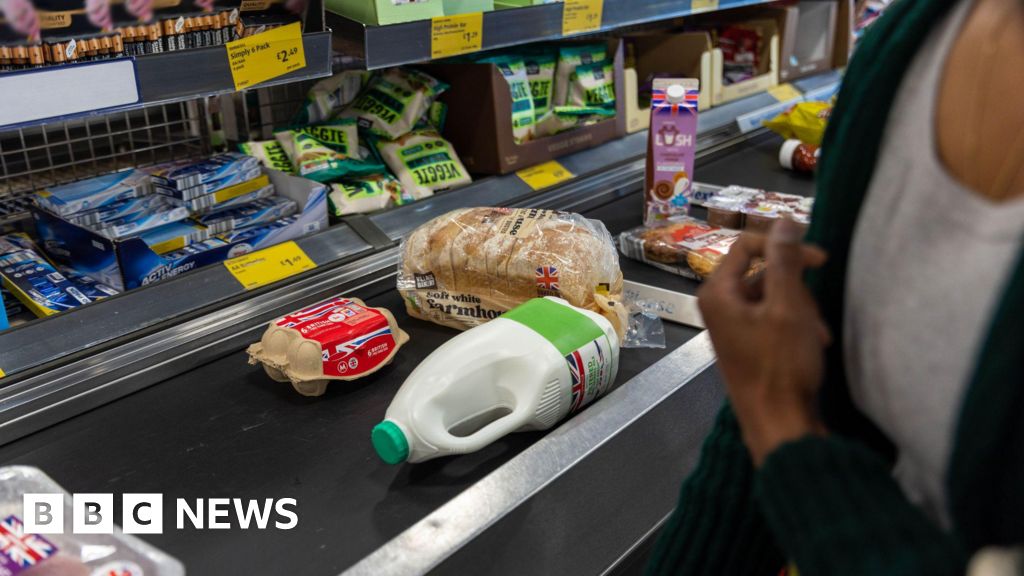

Government Considers Voluntary Price Caps on Essential Groceries Amid Rising Costs
Consumers struggling with soaring food prices may soon see relief as officials weigh voluntary price caps on staple groceries like eggs, bread, and milk. The proposed measure, still under discussion, aims to curb inflation’s impact on household budgets without enforcing mandatory restrictions.
Targeting Key Staples
The plan would focus on everyday essentials, which have seen sharp price hikes in recent months. Eggs, bread, and milk—items central to most diets—have become noticeably more expensive due to supply chain disruptions, higher production costs, and economic instability.
While the caps would be non-binding, major retailers and producers are expected to participate in an effort to stabilize prices. The move reflects growing pressure on governments worldwide to address food affordability as inflation persists.
Balancing Market Freedom and Consumer Relief
Unlike strict price controls, voluntary caps allow businesses to adjust while encouraging cooperation. Critics argue such measures could distort markets or reduce incentives for production. However, proponents insist temporary intervention is necessary to prevent further financial strain on families.
“Food security is a priority,” said one policymaker involved in the discussions. “This approach ensures accessibility while minimizing disruption to suppliers.”
Global Context
Several countries have experimented with similar policies in response to inflation spikes. While results vary, targeted measures on essentials have shown some success in easing short-term consumer burdens. Analysts suggest the effectiveness of voluntary caps depends on industry participation and enforcement mechanisms.
What Comes Next?
If adopted, the policy could roll out within weeks. Observers will watch for retailer compliance and whether the measure tempers broader inflation trends. Long-term solutions, however, may require deeper economic reforms to address root causes like energy costs and labor shortages.
For now, the debate highlights the delicate balance between market stability and public welfare—a challenge policymakers worldwide continue to face.
