


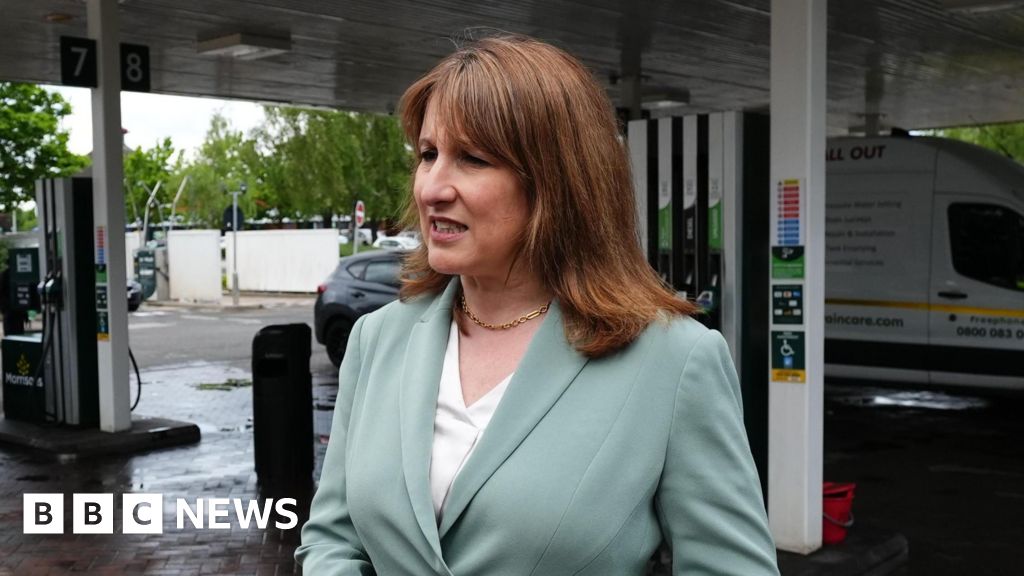

UK Chancellor Unveils Measures to Ease Cost-of-Living Crisis, but Energy Bills Remain Unaddressed
In a highly anticipated announcement, the UK Chancellor has introduced a series of measures aimed at alleviating the mounting cost-of-living crisis gripping households across the nation. However, the package notably excludes immediate relief for soaring energy bills, leaving millions of families facing continued financial strain as winter approaches.
The Chancellor’s plan, unveiled Thursday, focuses on targeted support for low-income families, increased funding for social services, and tax adjustments designed to ease inflationary pressures. While welcomed by some, critics argue the measures fall short of addressing the most pressing issue—skyrocketing energy costs, which have pushed many households to the brink of financial collapse.
“We recognize the challenges families are facing, and we are taking decisive action to provide relief where it is needed most,” the Chancellor stated during a press briefing. “However, we must also ensure these measures are sustainable and do not exacerbate long-term economic instability.”
The announcement comes amid growing public frustration over the UK’s deepening cost-of-living crisis, driven by record-high inflation, stagnant wages, and escalating energy prices. Energy bills, in particular, have surged by more than 80% this year, with further increases expected in the coming months. Experts warn that without targeted intervention, millions could face fuel poverty this winter.
The Chancellor’s plan includes several key initiatives:
-
Expansion of the Warm Home Discount Scheme: Eligible households will receive an additional £150 this winter to help offset heating costs. The program will also extend its reach to include more low-income families.
-
Increased Universal Credit Payments: The government will raise Universal Credit payments by an additional £200 per month for six months, providing temporary relief to struggling households.
-
Council Tax Rebates: Low-income households will receive a one-time £300 rebate on their council tax bills, reducing financial pressure on essential living expenses.
-
Fuel Duty Cuts: The Chancellor announced a 5p-per-liter reduction in fuel duty, aimed at lowering transportation costs for individuals and businesses.
While these measures offer some relief, critics argue they fail to address the root cause of the crisis—energy prices driven by global market instability and the fallout from Russia’s invasion of Ukraine. Opposition leaders have called for immediate action, including a windfall tax on energy companies’ record profits to fund direct subsidies for households.
“What we’re seeing today is a sticking plaster, not a solution,” said one opposition MP. “Families are facing impossible choices—heat or eat—and the government’s response is woefully inadequate.”
Energy providers have echoed concerns, urging the government to implement a comprehensive support package to prevent widespread fuel poverty. “The situation is dire, and without urgent intervention, we risk a humanitarian crisis this winter,” warned the CEO of a leading energy firm.
The Chancellor’s announcement also comes against a backdrop of broader economic challenges. The Bank of England recently raised interest rates to their highest level in 14 years in an effort to curb inflation, further squeezing household budgets. Meanwhile, public sector strikes and growing discontent over wage stagnation have fueled calls for more robust government intervention.
Experts warn that the failure to address energy bills could have far-reaching consequences. “Energy costs are the single biggest driver of the cost-of-living crisis,” said an economist at a prominent think tank. “Without tackling this issue head-on, other measures will only provide temporary relief.”
The Chancellor’s decision to delay action on energy bills has sparked speculation about the government’s broader strategy. Some analysts suggest officials may be waiting for the outcome of ongoing negotiations with energy providers, while others believe the delay reflects concerns over the fiscal impact of large-scale subsidies.
Looking ahead, the government’s ability to address the crisis effectively will hinge on its willingness to take bold, decisive action. With inflation expected to remain high and energy prices showing no signs of abating, the pressure on policymakers will only intensify.
The coming weeks will be critical as the government navigates competing demands for immediate relief and long-term economic stability. For millions of households across the UK, the stakes could not be higher.
As the Chancellor’s measures take effect, all eyes will be on whether they provide meaningful relief or deepen the growing sense of frustration among those hit hardest by the crisis. The question remains: Will the government act swiftly to address the most pressing issue—energy bills—before winter tightens its grip?
For now, families brace for a challenging season, hoping for more comprehensive support in the weeks to come. The Chancellor’s next steps could determine the trajectory of the UK’s cost-of-living crisis—and the fortunes of millions of households across the nation.
