


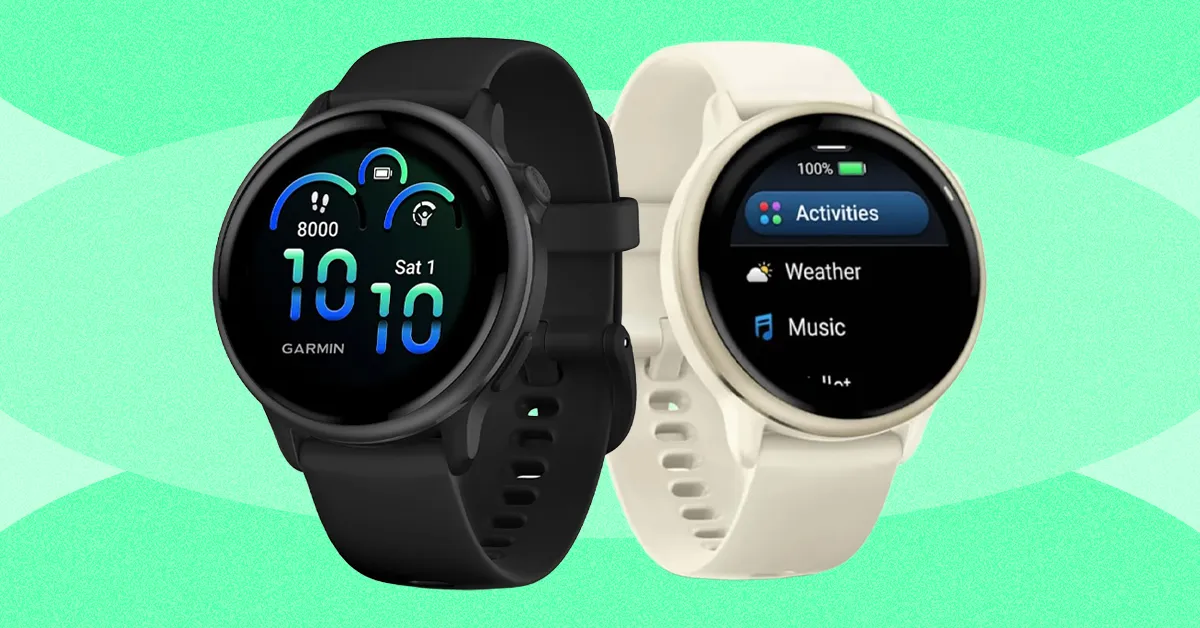

Garmin’s Latest Wearables: Cutting-Edge Technology Meets Premium Pricing
In an era where smartwatches have become ubiquitous, Garmin continues to push the boundaries of innovation—and pricing. Last year, the company unveiled the Garmin Fenix 8 Pro, a multisport smartwatch that integrates satellite communication capabilities from its inReach technology. Priced at least $400 more than Apple’s Watch Ultra and $200 above the standard Fenix 8, the Fenix 8 Pro caters to outdoor enthusiasts and adventurers who demand unparalleled functionality. However, this premium device comes with a catch: users must also subscribe to Garmin’s inReach service, which ranges from $8 to $50 per month depending on the level of features required.
The Fenix 8 Pro is not just a smartwatch; it’s a rugged, multifunctional tool designed for extreme conditions. With best-in-class battery life—lasting weeks on a single charge and up to a month with solar charging—it outlasts most competitors. It also boasts a depth sensor from Garmin’s Descent line, transforming the watch into a full-fledged dive computer for scuba and free diving. Other standout features include a built-in LED flashlight, topographic maps, 24/7 health monitoring, and activity tracking for over a hundred sports.
For tech enthusiasts and athletes alike, the Fenix 8 Pro is a marvel of engineering. Yet, its extensive capabilities raise a critical question: Is it worth the steep price tag?
Unmatched Functionality for the Outdoor Enthusiast
The Fenix 8 Pro is designed to excel in the most demanding environments. Its sapphire glass face and titanium bezel ensure durability, even when subjected to harsh conditions—a testament to its rugged build quality. One reviewer noted smashing the watch against rock faces during climbing expeditions without leaving a scratch.
Equipped with a microphone and speaker, the watch supports basic voice commands—though it lacks onboard cellular connectivity. Its built-in LED flashlight, a surprisingly useful feature, provides illumination for night-time activities or emergencies. The inclusion of topographic maps makes it an indispensable tool for hikers and mountaineers, while its comprehensive health monitoring features, including the Body Battery metric, offer insights into energy levels and recovery.
The watch’s depth sensor is a game-changer for divers, allowing it to function as a dive computer. This versatility makes it an all-in-one device for athletes who engage in multiple outdoor sports, from snowboarding and trail running to mountain biking and rock climbing.
The Price of Excellence
Despite its impressive features, the Fenix 8 Pro’s high cost is a significant barrier for many consumers. Starting at $1,000—and often exceeding that price depending on the model—it is one of the most expensive smartwatches on the market. Add to that the mandatory inReach subscription, and the total cost of ownership can quickly escalate.
The inReach service, which provides satellite communication capabilities, comes in several tiers. The basic plan starts at $8 per month for essential features like SOS messaging, while the premium plan costs $50 per month and includes unlimited texting and photo messaging. For adventurers who frequently venture into remote areas, this feature is invaluable. However, casual users may find it difficult to justify the expense.
The Garmin Forerunner Series: A Runner’s Best Companion
While the Fenix 8 Pro caters to multisport athletes, Garmin’s Forerunner series remains the gold standard for runners. Launched in the early 2000s, the Forerunner lineup has evolved to offer a range of models tailored to different needs and budgets.
Last year, Garmin released two notable additions to the series: the Forerunner 570 ($550) and the Forerunner 970 ($750). The 570, a midrange model, lacks some of the premium features found in higher-end watches, such as an LED flashlight and onboard maps. However, it still delivers robust performance for runners seeking essential tracking capabilities.
The Forerunner 970, on the other hand, is the pinnacle of the series. Packed with advanced features, it caters to serious athletes and triathletes who demand precise data and long-lasting battery life. Despite its higher price, the 970’s comprehensive tracking tools and durability make it a worthwhile investment for dedicated runners.
For those on a tighter budget, older Forerunner models remain solid options. The Forerunner 165, priced at $200, is explicitly designed for runners, offering essential tracking features without the additional functionality required by triathletes.
The Verdict: Luxury Meets Practicality
Garmin’s latest wearables, particularly the Fenix 8 Pro and Forerunner 970, exemplify the company’s commitment to blending cutting-edge technology with rugged design. These devices are not merely smartwatches; they are tools that empower users to push their limits in sports and outdoor adventures.
However, their premium pricing and additional subscription costs may deter casual users. For those who prioritize durability, functionality, and comprehensive tracking, the investment is justified. As one reviewer aptly put it, “If you’re up for paying the price and want a good-looking watch that will last forever, this is the one to get.”
Ultimately, Garmin’s latest offerings cater to a niche audience—those who demand the best and are willing to pay for it. Whether you’re an elite athlete or an outdoor adventurer, these devices promise to deliver unparalleled performance. Yet, for the average consumer, the question remains: Is the premium experience worth the price? Only time—and user experience—will tell.
