



Breakthrough in Uterus Preservation Could Revolutionize Transplants and Reproductive Research
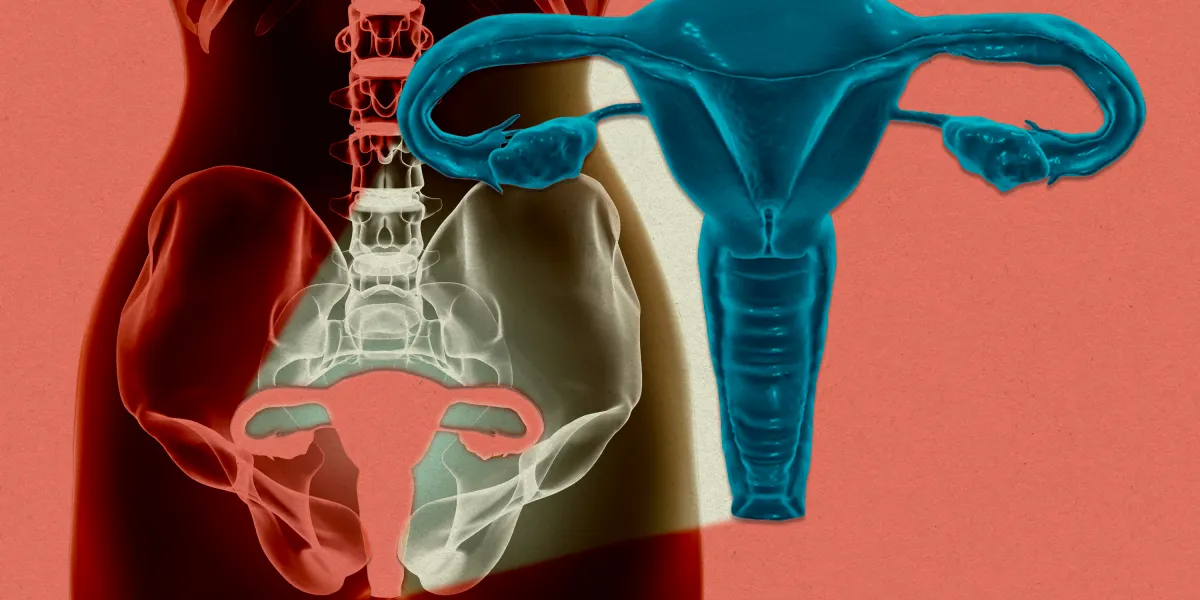
In a groundbreaking development that could reshape the field of reproductive medicine, researchers in Spain have successfully kept a human uterus alive outside the body for 24 hours using an innovative perfusion machine. While the achievement may seem modest at first glance, experts say it represents a critical step forward in both organ transplantation and the study of uterine biology. The breakthrough could open doors to expanding uterus transplants—a rare but growing procedure—by making organs from deceased donors more viable, while also enabling scientists to delve deeper into conditions like endometriosis and fibroids.
The research, led by a team at the University of Barcelona, centers on a machine affectionately nicknamed “Mother.” This device mimics the human body’s conditions, sustaining the uterus with oxygenated blood, nutrients, and controlled pressure. The technology builds on advancements in organ perfusion systems, which have previously been used to preserve kidneys, livers, and lungs for transplantation. However, the uterus presents unique challenges due to its complex vascular structure and hormonal sensitivity, making this achievement particularly significant.
Expanding the Horizons of Uterus Transplants
Uterus transplants, though still in their infancy, have emerged as a lifeline for individuals who wish to carry a pregnancy but lack a functional uterus. Since the first successful transplant in 2014, the procedure has been performed in countries such as Sweden, the United States, and India, with most organs coming from living donors. However, the availability of suitable living donors remains limited, and the procedure requires meticulous planning and coordination. The ability to preserve uteruses from deceased donors for longer periods could significantly widen the pool of available organs and reduce logistical pressures.
Dr. Gerald Brandacher, a professor of experimental and translational transplant surgery at the Medical University of Innsbruck in Austria, describes the Spanish team’s work as a “substantial improvement” over current methods. “Today, we only have a few hours to transplant a uterus,” he explains. “Extending that window to 24 hours could be transformative, allowing for better matching of donors and recipients, as well as more time for transportation and preparation.”
Despite the potential, the team behind “Mother” emphasizes that their primary focus is not on transplantation—for now. Instead, they are more interested in using the technology to advance scientific understanding of the uterus.
A Window into Uterine Biology
The researchers’ ultimate goal is to keep a uterus alive outside the body for up to 28 days—the length of a typical menstrual cycle. This would enable them to study conditions like endometriosis, fibroids, and other disorders that affect millions of women worldwide but remain poorly understood. Endometriosis, for instance, is a painful condition where tissue similar to the uterine lining grows outside the uterus, leading to chronic pain and infertility. Despite affecting roughly 10% of women of reproductive age, its causes and mechanisms remain elusive, in part due to the challenges of studying the uterus in a controlled environment.
Dr. Manuel Santamaria, one of the lead researchers, describes the perfusion machine as “a living laboratory” that could unlock new insights into uterine health. “We can simulate hormonal changes, observe tissue responses, and even potentially study early pregnancy in ways that were previously impossible,” he says.
The team has equipped “Mother” with a camera to monitor the organ remotely and ensure the system remains stable. However, the process is not without risks. During one experiment, a spike in pressure caused a blood bag to detach, spilling a liter of blood onto the lab floor. Such incidents highlight the complexities of working with a machine that must replicate the delicate balance of the human body.
Ethical Considerations and Future Directions
While the potential applications of this technology are vast, they also raise important ethical questions. Uterus transplants, for example, are already controversial. Critics argue that the procedure is not a medical necessity but rather an elective intervention that carries significant risks for both the donor and recipient. Others worry about the psychological and societal pressures on women to bear children, which could be exacerbated by the availability of such procedures.
Dr. Keren Ladin, a bioethicist at Tufts University who specializes in organ transplantation, cautions that the technology is still in its early stages. “As a proof of concept, it is impressive,” she says. “But we must carefully consider the implications, particularly in terms of equity, access, and the potential for unintended consequences.”
The Spanish team acknowledges these concerns and stresses that their work is focused on research rather than clinical applications. “We are not in the immediate pipeline for transplantation,” Santamaria says. “There are many other problems we need to solve first.”
A Promising Path Forward
The preservation of a uterus for 24 hours marks a significant milestone, but it is only the beginning. Researchers envision a future where perfusion technology could be refined to support longer-term preservation, potentially enabling the study of full menstrual cycles or even early stages of pregnancy in vitro. Such advancements could lead to breakthroughs in treating reproductive disorders and improving fertility outcomes.
For transplant recipients, the technology could offer new hope by making uterus transplants more accessible and practical. Yet, as with any pioneering medical innovation, the path forward will require careful consideration of ethical, social, and logistical challenges.
As Dr. Brandacher puts it, “This is a step in the right direction, but there is still much work to be done.” For now, the “Mother” machine stands as a testament to the ingenuity of scientists who are pushing the boundaries of what is possible in medicine and biology—offering a glimpse of a future where the mysteries of the uterus are unraveled, and the dream of parenthood becomes more attainable for those who seek it.
The journey from laboratory innovation to real-world application will undoubtedly be fraught with complexities, but the potential rewards are immense. Whether this technology ultimately transforms reproductive medicine or simply deepens our understanding of the human body, its impact is likely to be profound—and far-reaching.
