



U.S. and Iran Agree to Fragile Two-Week Ceasefire Amid Hormuz Crisis
By [Your Name], International Correspondent
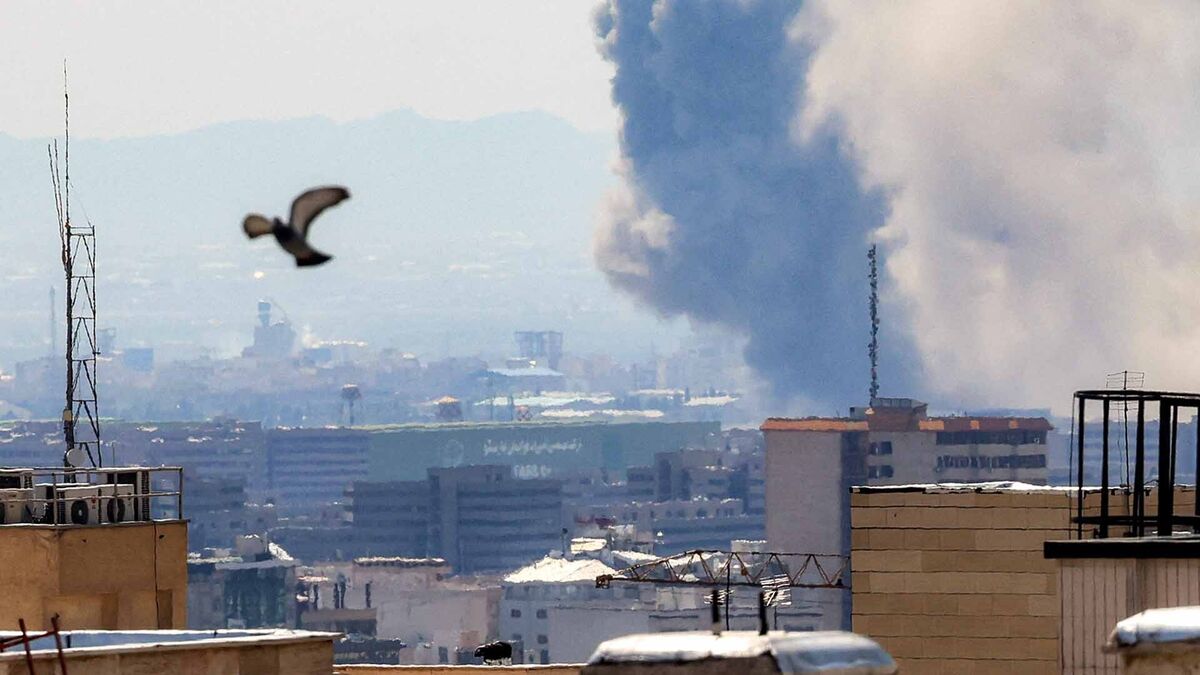
WASHINGTON/LONDON – In a dramatic de-escalation of tensions, the United States and Iran have agreed to a temporary two-week ceasefire, marking the first significant pause in hostilities since conflict erupted between the two nations over five weeks ago. The breakthrough, announced by the White House late Thursday, comes after weeks of escalating threats, including U.S. warnings of strikes on Iranian civilian infrastructure. Crucially, the truce hinges on Iran reopening the Strait of Hormuz—a vital maritime chokepoint whose closure has sent shockwaves through global energy markets and triggered fears of a wider regional war.
The ceasefire, described by analysts as a “tenuous pause rather than a resolution,” offers a fleeting window for diplomacy amid a conflict that has already destabilized Middle Eastern security and rattled the world economy. Yet with both sides maintaining maximalist demands and deep-seated mistrust, the prospect of a lasting peace remains distant.
The Ceasefire Terms: A Delicate Bargain
Under the terms of the agreement, the U.S. will suspend all threats of military action against Iranian civilian targets—a significant concession after President Trump warned last week of “swift and decisive” retaliation for Iran’s alleged provocations. In exchange, Tehran must fully reopen the Strait of Hormuz, allowing the unimpeded passage of oil tankers and commercial vessels. The strait, a narrow passage between the Persian Gulf and the Gulf of Oman, handles roughly 20% of the world’s daily oil shipments. Its closure—reportedly enforced by Iranian naval mines and coastal missile batteries—has sent crude prices soaring by over 30% since the crisis began, stoking inflation fears from Tokyo to London.
The White House framed the deal as a “humanitarian pause,” emphasizing that further U.S. restraint depends on Iran’s compliance. “This is not a peace treaty. It is a temporary measure to prevent further harm to global stability,” a senior administration official told reporters on condition of anonymity. Meanwhile, Iranian state media cautiously welcomed the move but reiterated demands for the U.S. to lift sanctions—a nonstarter for Washington.
How We Got Here: A Five-Week Escalation
The roots of the crisis trace back to early May, when a series of tit-for-tat incidents—including alleged Iranian cyberattacks on U.S. infrastructure and the downing of an American surveillance drone—sparked direct confrontation. The situation deteriorated rapidly after Iran-backed militias in Iraq targeted U.S. bases, prompting retaliatory airstrikes. By late May, Tehran had effectively blockaded the Strait of Hormuz, citing “self-defense” against U.S. aggression.
The economic fallout has been severe. Brent crude briefly surged past $120 per barrel, while shipping giants like Maersk rerouted vessels around Africa—adding weeks to delivery times and spiking freight costs. The International Energy Agency (IEA) warned of a potential “supply shock” reminiscent of the 1970s oil crises, and central bankers from the Federal Reserve to the European Central Bank flagged energy-driven inflation as a growing threat.
Global Reactions: Relief and Skepticism
Markets responded cautiously to the news, with oil prices dipping 4% in early trading but remaining well above pre-crisis levels. European leaders, who had pushed quietly for a ceasefire, expressed cautious optimism. “Any reduction in violence is welcome, but the underlying issues remain unresolved,” said German Chancellor Olaf Scholz.
Regional players were more divided. Saudi Arabia, Iran’s regional rival, issued a terse statement urging “permanent solutions,” while Russia—a key Iranian ally—called the truce a “step toward dialogue.” Analysts, however, warned against premature celebration. “This is a tactical pause, not a strategic shift,” said Sanam Vakil of Chatham House. “Neither side has moved on core demands: the U.S. won’t lift sanctions, and Iran won’t halt its nuclear program.”
What Comes Next?
The next 14 days will test whether diplomacy can gain traction. U.S. Secretary of State Antony Blinken is expected to engage with European and Gulf counterparts to explore longer-term solutions, while Iran’s Supreme Leader Ayatollah Ali Khamenei faces pressure from hardliners to resist concessions.
For now, the world watches nervously. The Strait of Hormuz remains a tinderbox, and any breach of the ceasefire—whether accidental or deliberate—could reignite conflict. Meanwhile, millions of barrels of oil sit idly in tankers, awaiting clearance to pass.
As the clock ticks, the stakes could hardly be higher. “This is a fleeting chance to step back from the brink,” said a U.N. official involved in mediation efforts. “But without real compromise, we’re just delaying the inevitable.”
For a conflict with no easy answers, the ceasefire offers a fragile respite—but whether it leads to peace or merely a pause in hostilities remains to be seen.
