



US Naval Blockade Targets Iran’s Economy: A High-Stakes Strategy Amid Rising Global Tensions
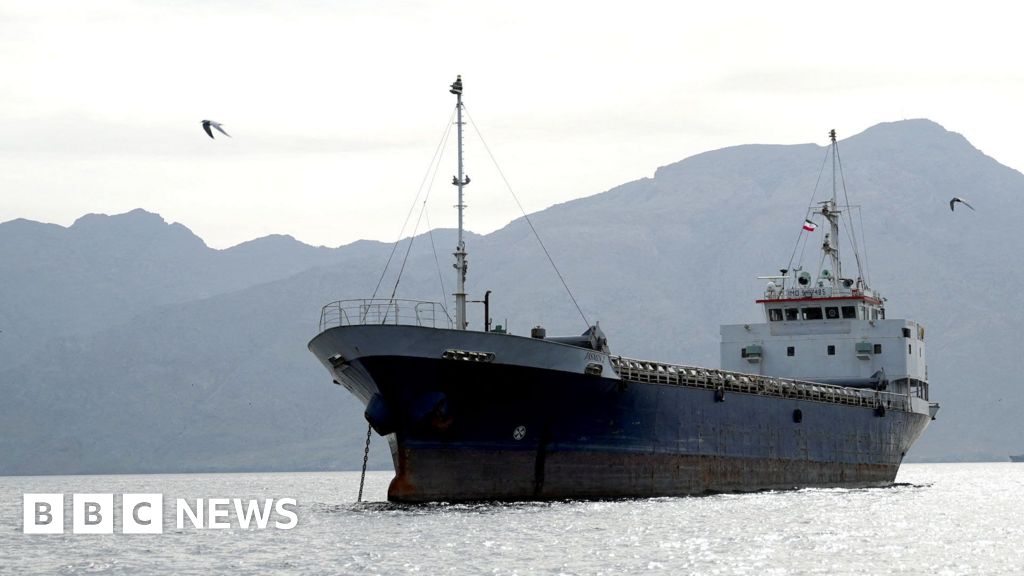
The Persian Gulf, long a flashpoint of geopolitical strife, has become the stage for a high-stakes military maneuver as the United States intensifies its naval blockade against Iran. This bold move, aimed at crippling Tehran’s economy by stifling its vital trade routes, has drawn sharp global scrutiny. In a region already fraught with volatility, the US gamble raises critical questions: Will this strategy weaken Iran’s influence, or will it ignite further instability in an already fragile world order?
The Blockade in Context: A Strategic Escalation
The US naval blockade, implemented in recent weeks, targets Iran’s ability to export oil and other critical commodities, effectively choking its primary source of revenue. According to Pentagon officials, the operation seeks to pressure Tehran into compliance with Western demands, particularly concerning its nuclear program and support for proxy groups across the Middle East.
Iran, for its part, has vehemently condemned the blockade as an act of “economic warfare.” Supreme Leader Ayatollah Ali Khamenei warned of “severe consequences” if the measures persist, while Iranian diplomats have appealed to international bodies like the United Nations to intervene.
This escalation comes amid a backdrop of deteriorating US-Iran relations. Tensions have simmered since the collapse of the 2015 Joint Comprehensive Plan of Action (JCPOA), commonly known as the Iran nuclear deal. The US withdrawal from the agreement in 2018 under the Trump administration, coupled with Iran’s subsequent enrichment of uranium to near-weapons-grade levels, has left the two nations locked in a protracted standoff.
Global Implications: A Risky Gamble
The US strategy carries far-reaching consequences beyond the Persian Gulf. At its core, the blockade underscores Washington’s willingness to use military force to achieve geopolitical objectives, a tactic that could set a concerning precedent in international relations.
For Iran, the economic impact is potentially devastating. Already grappling with inflation and unemployment, the blockade threatens to exacerbate the nation’s financial woes, potentially destabilizing its government and emboldening hardline factions. Experts warn that such an outcome could lead to increased regional aggression, including heightened support for militias in Iraq, Yemen, and Lebanon.
Globally, the blockade has sent shockwaves through energy markets. Iran is a major oil producer, and its restricted access to global trade has contributed to rising crude prices, further straining economies already grappling with post-pandemic recovery and the fallout from the Russia-Ukraine conflict.
The move has also strained US relations with key allies. While European nations have largely aligned with Washington’s stance on Iran, they have expressed reservations about the blockade’s potential to escalate tensions. China and Russia, meanwhile, have issued stern warnings, accusing the US of undermining global stability and violating international law.
Humanitarian Concerns: A Growing Crisis
Beyond its geopolitical ramifications, the blockade has sparked fears of a looming humanitarian crisis in Iran. The nation relies heavily on imports for essential goods, including food and medicine, and the disruption of trade routes threatens to exacerbate shortages.
Human rights organizations have called on the US to ensure that civilian populations are not disproportionately affected. “While sanctions and blockades may target governments, it is often ordinary citizens who bear the brunt of the suffering,” said one humanitarian official, speaking on condition of anonymity.
Iranian citizens, already weary from years of economic hardship, have expressed growing frustration. “We’re tired of being caught in the crossfire of political games,” said a Tehran resident in an interview with a local news outlet. “Our leaders and foreign powers need to find a peaceful solution.”
Why It Matters: A Test of US Foreign Policy
The US blockade against Iran represents a critical test of American foreign policy under President Joe Biden’s administration. While the strategy aligns with Washington’s broader goal of curbing Tehran’s nuclear ambitions and regional influence, its success hinges on a delicate balance of military precision, diplomatic finesse, and international cooperation.
The Biden administration has framed the blockade as a necessary measure to prevent Iran from destabilizing the Middle East. However, critics argue that the approach risks further alienating key allies and emboldening adversarial powers like China and Russia.
Moreover, the strategy raises questions about the efficacy of economic pressure as a tool of foreign policy. While sanctions and blockades have historically been used to compel behavioral changes in adversarial regimes, their long-term success remains contested. In Iran’s case, years of sanctions have failed to halt its nuclear program or curtail its support for proxy groups, raising doubts about the blockade’s potential impact.
Looking Ahead: A Fragile Road Forward
As the blockade enters its crucial phase, the international community watches with bated breath. The coming weeks will likely determine whether the US strategy will achieve its intended objectives or exacerbate an already volatile situation.
Diplomatic efforts remain underway, with European mediators attempting to broker a renewal of the JCPOA. However, the blockade’s imposition has complicated negotiations, with Iranian officials demanding its cessation as a precondition for any agreement.
The stakes could not be higher. A successful blockade could weaken Iran’s economy, compel concessions on its nuclear program, and restore a semblance of stability to the Middle East. Conversely, a miscalculation could plunge the region into deeper conflict, disrupt global energy markets, and undermine international norms.
Conclusion: A World on Edge
The US naval blockade against Iran marks a pivotal moment in global geopolitics, reflecting the precarious balance of power in an increasingly multipolar world. As tensions rise and alliances shift, the international community faces a stark reminder of the fragile nature of peace and security.
For now, the Persian Gulf remains a powder keg, with the US and Iran locked in a high-stakes game of brinkmanship. The outcome of this gambit will reverberate far beyond the region, shaping the trajectory of global affairs for years to come. In a world already grappling with myriad challenges, the hope for a peaceful resolution has never been more urgent—or more uncertain.
