



Tensions Escalate as Gaza Demilitarization Plan Sparks Accusations of Bias
Gaza City – The fragile ceasefire between Israel and Hamas faces renewed strain as Palestinian officials accuse a top international mediator of favoring Israel in a contentious demilitarization proposal. The allegations, leveled by senior Hamas figures, threaten to unravel months of painstaking diplomacy and reignite violence in a region already teetering on the brink of wider conflict.
Mediator Under Fire: Accusations of Pro-Israel Bias
Nickolay Mladenov, the United Nations Special Coordinator for the Middle East Peace Process and a key figure in the U.S.-led Board of Peace, has come under sharp criticism from Hamas leadership. They claim his proposed framework for Gaza’s demilitarization—a critical component of the second phase of the October ceasefire agreement—disproportionately benefits Israel while undermining Palestinian sovereignty.
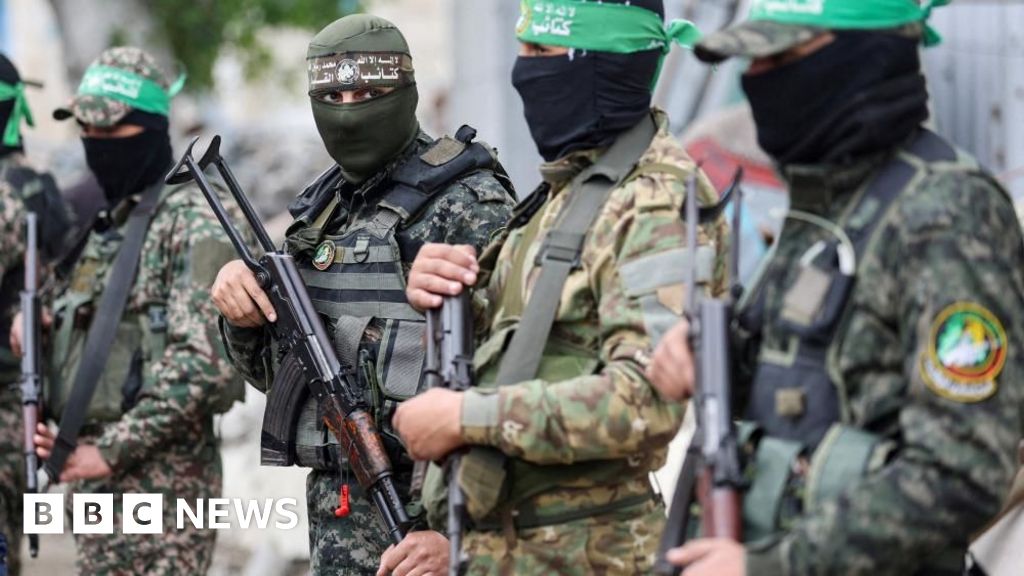
The plan, outlined last month, calls for Hamas to relinquish its armed capabilities in exchange for economic incentives and eased Israeli blockades. But Palestinian officials argue the terms lack enforceable guarantees for Gaza’s reconstruction, leaving the enclave vulnerable to continued Israeli military dominance.
Global Context: A Decades-Long Struggle for Balance
The dispute underscores the broader challenges of mediating one of the world’s most intractable conflicts. Since Hamas took control of Gaza in 2007, the territory has endured multiple wars, crippling blockades, and a humanitarian crisis exacerbated by political deadlock. The October ceasefire, brokered with Egyptian and Qatari mediation, was hailed as a tentative step toward stability. Yet the latest friction highlights the deep mistrust between the parties.
Globally, the situation carries significant implications. The Gaza Strip remains a flashpoint with the potential to draw in regional actors, from Iran-backed militant groups to neighboring Arab states. A collapse of the ceasefire could trigger another devastating military confrontation, further destabilizing the Middle East and straining international diplomatic efforts.
Why This Matters: The Stakes for Global Security
The accusations against Mladenov reflect a recurring dilemma in Middle East peacemaking: the perception of Western bias. If mediators are seen as favoring one side, it risks alienating key stakeholders and derailing negotiations. For Hamas, accepting demilitarization without tangible political concessions could weaken its standing among Palestinians, while Israel insists on security guarantees before lifting restrictions.
Beyond the immediate parties, the standoff tests the credibility of international institutions. The UN and U.S. have invested heavily in stabilizing Gaza, but repeated failures to achieve lasting peace have eroded confidence in multilateral solutions. Another breakdown could embolden hardliners on both sides, pushing the region closer to another deadly escalation.
Human Cost: Gaza’s Precarious Existence
For Gaza’s two million residents, the political wrangling translates into daily hardship. Unemployment hovers near 50%, clean water is scarce, and infrastructure remains in ruins after successive conflicts. The ceasefire brought temporary relief, but without a durable agreement, humanitarian conditions could deteriorate rapidly.
“We are caught between promises and despair,” said Ahmed, a Gaza-based aid worker who requested anonymity for safety reasons. “Every negotiation gives hope, but nothing changes on the ground.”
What’s Next: A Path Forward or Further Deadlock?
Diplomatic sources suggest behind-the-scenes talks are ongoing to salvage the demilitarization proposal. Potential compromises include phased Israeli withdrawals tied to verifiable disarmament steps, but neither side has shown willingness to bend.
The international community faces mounting pressure to recalibrate its approach. Some analysts argue for greater involvement from neutral Arab states, while others call for linking Gaza’s recovery to broader Israeli-Palestinian peace efforts.
Conclusion: A Test of Diplomacy’s Limits
As accusations fly and tensions mount, the Gaza demilitarization debate has become a litmus test for the viability of international mediation in one of the world’s most volatile regions. The stakes extend far beyond the strip’s borders—another failure could deepen regional divisions, fuel extremism, and set back years of cautious diplomacy.
For now, the world watches nervously, hoping that reason will prevail over rhetoric. But in Gaza, where survival hangs in the balance, patience is wearing thin.
