


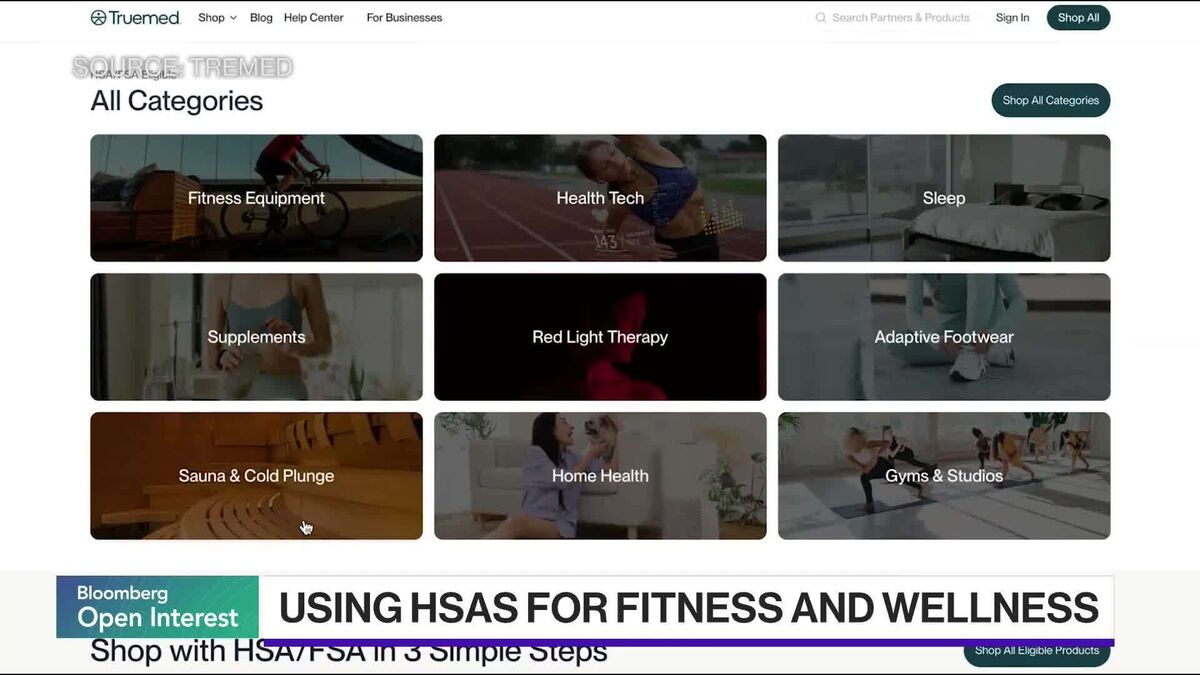

Startup Revolutionizes Healthcare by Expanding HSA/FSA Coverage to Wellness Services
A New Era of Preventive Healthcare
In a bold move that could reshape how Americans approach their health, a pioneering startup is breaking down barriers between traditional medical spending and wellness investments. Trumed, a health-tech company founded by entrepreneur Justin Mares, is enabling consumers to use Health Savings Accounts (HSAs) and Flexible Spending Accounts (FSAs) for gym memberships, sleep aids, and scientifically validated supplements—services typically excluded from these tax-advantaged funds.
This shift represents a fundamental rethinking of healthcare, prioritizing prevention over treatment. With chronic diseases like diabetes, obesity, and heart conditions driving up U.S. healthcare costs, Trumed’s model challenges the status quo by incentivizing healthier lifestyles before medical intervention becomes necessary.
The Science-Backed Approach to Wellness Spending
One of the biggest hurdles in wellness spending has been distinguishing evidence-based solutions from unproven fads. Trumed addresses this by rigorously vetting products and services through a stringent scientific review process.
“Not all supplements or wellness services are created equal,” Mares explained in a recent Bloomberg interview. “We partner with medical professionals to evaluate clinical studies, ingredient efficacy, and safety profiles before approving anything for HSA/FSA eligibility.”
This approach ensures that only treatments with documented health benefits—such as melatonin for sleep disorders or whey protein for muscle recovery—qualify for coverage. By filtering out pseudoscientific products, Trumed aims to elevate the credibility of wellness spending while preventing misuse of tax-free healthcare funds.
Why Traditional Healthcare Needs Disruption
The U.S. healthcare system spends over $4 trillion annually, yet life expectancy lags behind other developed nations. A significant portion of these costs stems from treating preventable conditions exacerbated by poor nutrition, sedentary lifestyles, and chronic stress.
HSAs and FSAs were originally designed to cover medical expenses like prescriptions and doctor visits. However, Trumed argues that expanding these funds to include preventive measures could reduce long-term healthcare burdens.
Studies support this philosophy: research from the American Heart Association shows that regular exercise can lower cardiovascular risks by up to 35%, while proper sleep hygiene reduces the likelihood of metabolic disorders. By making these interventions more accessible, Trumed’s model aligns with growing evidence that lifestyle changes are often more effective—and cheaper—than reactive medicine.
Regulatory Hurdles and Industry Pushback
Despite its potential, Trumed’s expansion of HSA/FSA eligibility faces regulatory and industry challenges. The IRS currently restricts these accounts to “medical care” as defined under tax code Section 213(d), which excludes general wellness expenses.
Mares acknowledges the legal gray area but argues that evolving healthcare demands necessitate policy updates. “If a doctor prescribes exercise for a diabetic patient, why shouldn’t a gym membership qualify? The system needs to adapt to modern health science,” he said.
Some insurers and pharmaceutical companies may resist this shift, as preventive care could reduce reliance on costly medications and procedures. However, employers—who often subsidize healthcare plans—are increasingly supportive, recognizing that healthier employees lead to lower insurance premiums and higher productivity.
The Broader Trend Toward Proactive Health
Trumed is not alone in advocating for preventive healthcare. Companies like Peloton and Headspace have successfully positioned themselves as health-adjacent services, while startups like Levels and Zoe leverage biometric data to personalize nutrition.
Corporate wellness programs are also expanding, with giants like Google and Amazon offering on-site fitness centers, mental health counseling, and sleep pods. These initiatives reflect a broader cultural shift toward holistic well-being, particularly among younger generations who prioritize longevity and quality of life.
What’s Next for Trumed and Preventive Care?
Trumed plans to expand its partnerships with gym chains, supplement manufacturers, and telehealth providers to create a seamless ecosystem for HSA/FSA users. Future offerings may include stress-management apps, nutritional coaching, and recovery therapies like cryotherapy—all backed by clinical research.
The startup’s success could hinge on regulatory changes. Lawmakers have previously introduced bills to broaden HSA/FSA eligibility, and with healthcare costs continuing to rise, political momentum may grow.
For now, Trumed’s model offers a glimpse into a future where healthcare dollars fund not just treatments, but lasting health. As Mares puts it: “The best way to fix a broken system is to stop people from getting sick in the first place.”
Whether this vision becomes mainstream remains to be seen, but one thing is clear: the era of reactive medicine may finally be coming to an end.
