


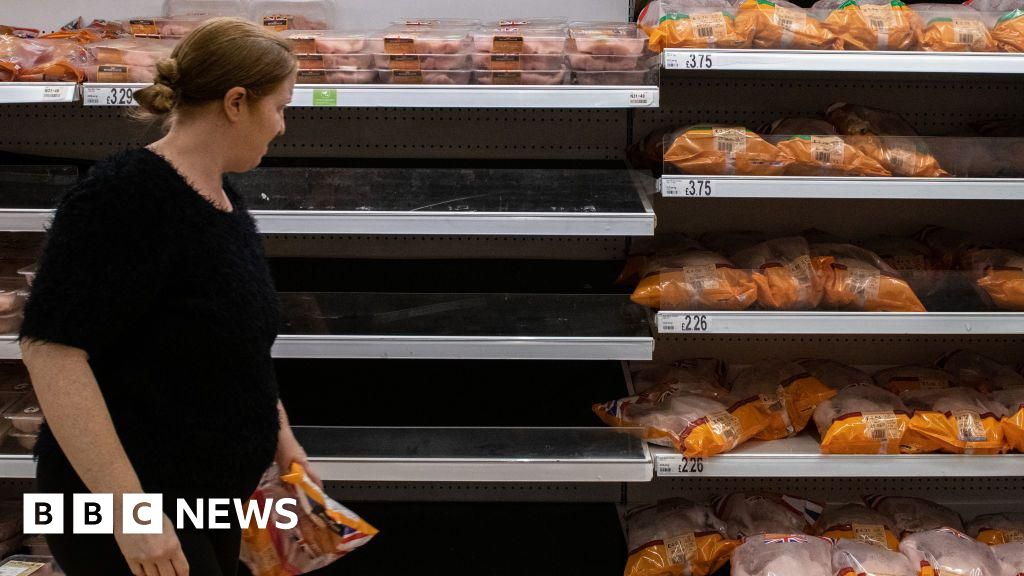

UK Faces Potential Food Shortages by Summer Under Worst-Case Scenario
The United Kingdom could experience significant food shortages by the summer if worst-case projections outlined by government officials materialize. The scenario, which highlights vulnerabilities in the nation’s supply chain, raises concerns about the availability of essential goods and underscores the growing pressures on food security in the post-Brexit and post-pandemic era.
The warning stems from internal assessments conducted by officials at the Department for Environment, Food and Rural Affairs (DEFRA), which have identified critical risks to the UK’s food supply chain. Factors such as labor shortages, rising energy costs, and disruptions to global trade routes are compounding the challenges faced by farmers, distributors, and retailers.
Labor Shortages and Supply Chain Strain
One of the primary drivers of the potential crisis is a persistent shortage of workers in key sectors, including agriculture and food processing. The UK’s departure from the European Union has led to a sharp decline in the availability of seasonal workers, many of whom previously came from EU countries. Despite efforts to recruit domestically, the agricultural sector continues to struggle to fill vacancies, leaving crops unpicked and food production lagging.
Compounding this issue is the rising cost of energy, which has increased operational expenses for farmers and food manufacturers. The war in Ukraine and subsequent global energy market volatility have pushed fuel and fertilizer prices to record highs, squeezing margins and forcing some producers to scale back operations.
Global Trade Disruptions
Global trade disruptions have also played a significant role in the potential food shortage scenario. The UK relies heavily on imports to meet its food demand, with nearly half of its food supply sourced from overseas. Ongoing conflicts, shipping delays, and geopolitical tensions have created bottlenecks in the supply chain, leaving supermarkets and wholesalers with dwindling stocks of certain products.
Climate change has further exacerbated the situation, with extreme weather events impacting crop yields and livestock production worldwide. Countries that traditionally export food to the UK, such as Spain and Morocco, have faced droughts and heatwaves, reducing their ability to meet export demands.
Impact on Consumers
If the worst-case scenario unfolds, consumers could face higher prices and reduced availability of staple items such as fresh produce, dairy, and meat. Supermarkets may implement purchase limits on certain products to manage dwindling supplies, while smaller retailers could struggle to compete with larger chains for limited stock.
The potential shortages come at a time when households are already grappling with a cost-of-living crisis driven by inflation and rising energy bills. For low-income families, the prospect of reduced access to affordable, nutritious food poses a significant threat to food security and public health.
Government Response and Preparedness
In response to the looming crisis, the UK government has emphasized its commitment to ensuring food security. DEFRA has outlined plans to boost domestic food production, streamline supply chains, and support farmers through subsidies and grants. The government is also working to reduce reliance on imports by investing in sustainable farming practices and expanding local food networks.
However, critics argue that these measures may not be enough to avert the impending shortages. Industry leaders and farming groups have called for urgent action to address labor shortages, including easing visa restrictions for foreign workers and providing incentives for British workers to join the agricultural sector.
Broader Context
The potential food shortages highlight broader systemic issues facing the UK’s food and agriculture industry. Post-Brexit trade barriers and the ongoing effects of the COVID-19 pandemic have exposed vulnerabilities in the nation’s food supply chain, prompting calls for long-term reforms to enhance resilience.
The crisis also underscores the interconnected nature of global food systems, with disruptions in one part of the world quickly impacting others. As climate change and geopolitical instability continue to disrupt food production and trade, the UK’s reliance on imports leaves it particularly exposed to external shocks.
Future Implications
Looking ahead, the threat of food shortages raises questions about the UK’s ability to maintain a stable and secure food supply in the face of mounting challenges. Without significant investment in domestic agriculture and infrastructure, the nation may continue to grapple with periodic shortages and rising food prices.
The crisis also serves as a stark reminder of the need for global cooperation to address shared challenges such as climate change, food security, and trade. As governments and organizations work to build more resilient food systems, the lessons learned from the UK’s current predicament could inform strategies for mitigating future crises.
In the meantime, the coming months will be critical for the UK’s food supply chain, with the summer season likely to test the nation’s ability to navigate its most pressing challenges. For consumers, businesses, and policymakers alike, the stakes could not be higher.
