



US-Iran Talks Near Critical Juncture as Both Sides Signal Potential Deal
A Tense Diplomatic Standoff
The prospect of a breakthrough in US-Iran negotiations looms large as officials from both nations signal that a deal to end hostilities could be imminent. President Donald Trump has suggested that talks may resume as early as this weekend, with Washington and Tehran reportedly “very close” to an agreement. However, deep-seated mistrust and conflicting demands threaten to derail the fragile diplomatic process.
The stakes could not be higher. A failure to reach an agreement risks escalating tensions in the Middle East, destabilizing global energy markets, and reigniting a conflict that has already claimed countless lives. Meanwhile, Iran’s leadership remains defiant, insisting it will not capitulate to US demands despite mounting economic and military pressure.
The Long Road to Negotiations
The US and Iran have been locked in a bitter standoff since 2018, when the Trump administration withdrew from the Joint Comprehensive Plan of Action (JCPOA), the landmark nuclear deal brokered under the Obama administration. Since then, Washington has imposed crippling sanctions on Tehran, while Iran has gradually ramped up uranium enrichment in defiance of international restrictions.
Recent months have seen a dangerous escalation, with attacks on oil tankers, drone strikes, and the assassination of top Iranian general Qasem Soleimani pushing the two nations to the brink of war. Yet behind the scenes, diplomatic backchannels have remained active, with European and regional mediators working to prevent a full-blown conflict.
Iran’s Defiance and Domestic Pressures
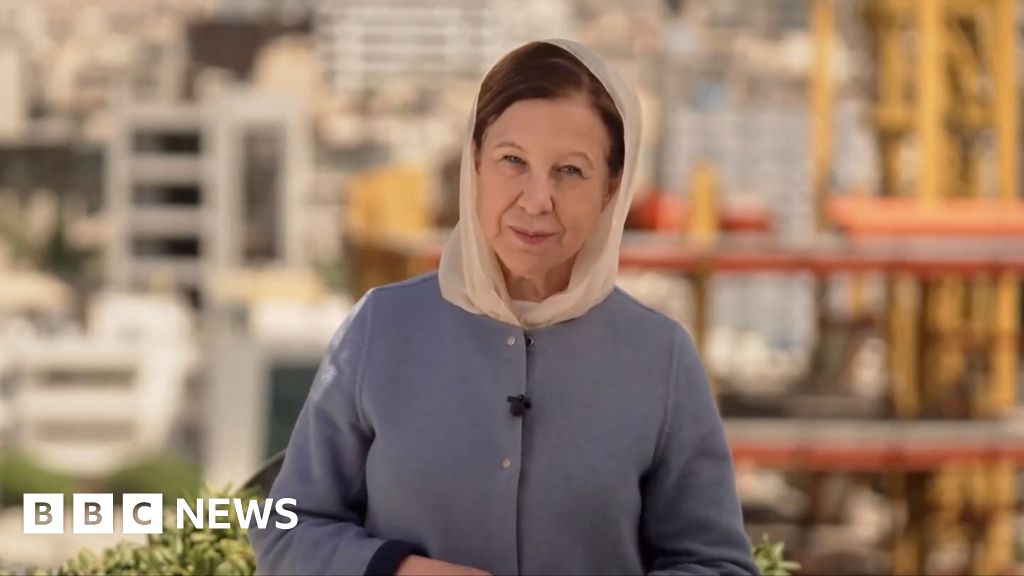
Despite the economic toll of US sanctions, Iran’s leadership has maintained a hardline stance. Sources in Tehran indicate that while the Iranian public is weary of conflict, the government remains unwilling to concede to Washington’s terms. The BBC’s chief international correspondent, Lyse Doucet, reports that Iranian officials do not believe they have lost the war and are resisting pressure to make concessions.
The situation is further complicated by strict media restrictions in Iran, where foreign journalists operate under tight constraints. Doucet’s reporting from Tehran comes with the unusual condition that none of her material can be used by the BBC’s Persian Service—a reflection of Iran’s sensitivity to international scrutiny.
Why This Matters Globally
The outcome of these talks will reverberate far beyond the Middle East. A successful deal could ease oil market volatility, reduce the risk of regional conflict, and open the door to broader diplomatic engagement. Conversely, a collapse in negotiations could trigger renewed hostilities, with potential repercussions for global security and energy supplies.
For the US, a resolution would mark a significant foreign policy achievement ahead of the November elections. For Iran, it could mean relief from suffocating sanctions—but at what political cost? The Iranian regime faces a delicate balancing act: securing economic relief without appearing weak to its domestic base.
A Fragile Path Forward
As both sides edge toward a possible agreement, the world watches with bated breath. The coming days will test whether diplomacy can prevail over brinkmanship—or whether the cycle of escalation will continue.
For now, the only certainty is uncertainty. The road to peace remains fraught with obstacles, and the consequences of failure could be catastrophic. In a region already ravaged by conflict, the hope for de-escalation hangs by a thread.
