



Hollywood Unites Against Warner Bros. Discovery-Paramount Skydance Merger Amid Fears of Job Losses and Monopoly Concerns
In an unprecedented show of industry solidarity, over 3,000 Hollywood actors, directors, and screenwriters have signed an open letter opposing the proposed $110 billion takeover of Warner Bros. Discovery by Paramount Skydance Corp. The letter, directed to U.S. antitrust regulators and major industry stakeholders, warns that the merger could lead to significant job losses, higher costs for consumers, and a stifling of creative diversity in an already consolidated entertainment landscape. The backlash comes as Hollywood grapples with transformative shifts in media consumption, streaming wars, and the lingering aftermath of pandemic-era disruptions.
The proposed merger, which would combine two of the industry’s most iconic studios, has sparked heated debate about the future of entertainment. Warner Bros. Discovery, home to franchises like Harry Potter and DC Comics, and Paramount Skydance, known for Top Gun and Mission: Impossible, together represent a significant portion of the global entertainment market. Proponents argue that the deal would create a powerhouse capable of competing with tech giants like Netflix, Apple, and Amazon, which have increasingly dominated the streaming space. However, critics fear the merger could lead to a monopolistic structure that harms both creators and consumers.
The Letter’s Core Concerns
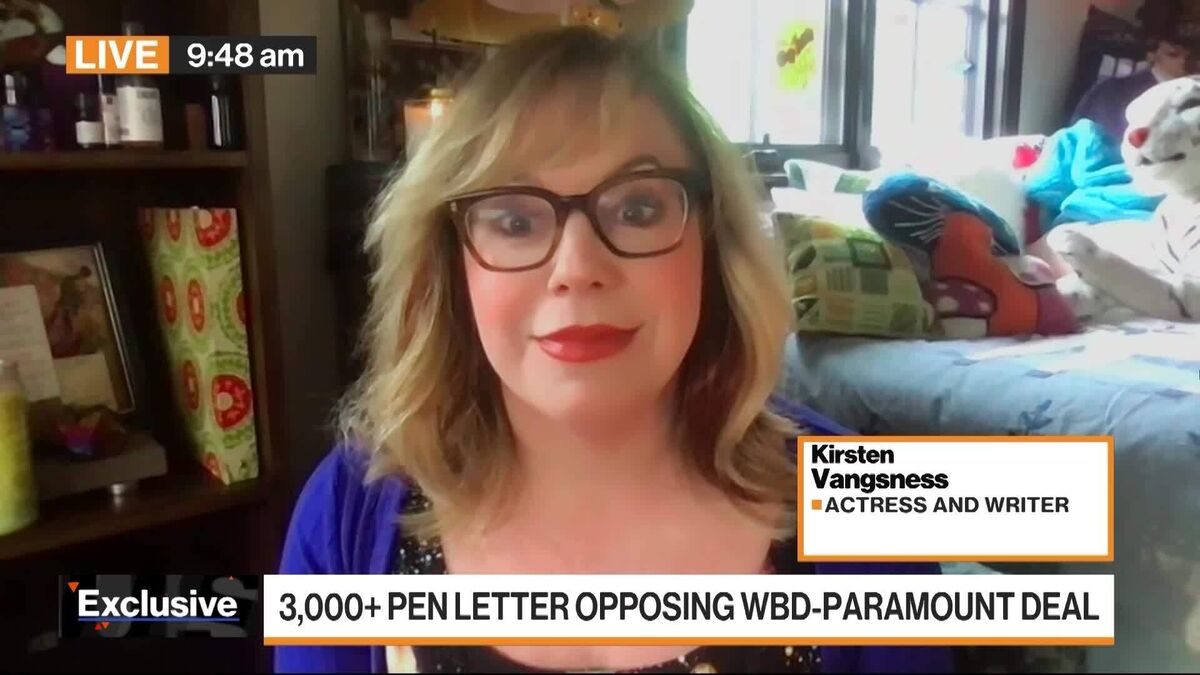
The open letter, co-signed by prominent figures such as actress and writer Kirsten Vangsness, outlines three primary concerns: job security, consumer choice, and artistic freedom. The signatories argue that the merger could result in widespread layoffs as overlapping departments are consolidated. “The consolidation of two major studios would inevitably lead to redundancies, putting thousands of jobs at risk,” the letter states. This sentiment resonates deeply in an industry still recovering from the COVID-19 pandemic, which saw productions halted, theaters shuttered, and countless professionals left unemployed.
The letter also highlights fears that the merger could reduce consumer choice by narrowing the diversity of content available. With fewer studios controlling a larger share of the market, there is concern that the merged entity would prioritize blockbuster franchises and high-profit projects at the expense of smaller, independent films and niche genres. “When consolidation occurs, creativity often suffers,” the letter reads. “We risk losing the unique stories and voices that make Hollywood a global cultural leader.”
Finally, the letter warns that the merger could exacerbate existing inequalities in the industry. “Already, workers in Hollywood face inequities in pay, representation, and opportunities,” it states. “Further consolidation could deepen these disparities, leaving marginalized groups even further behind.”
A Broader Industry Context
The backlash against the Warner Bros. Discovery-Paramount Skydance merger is emblematic of broader tensions in Hollywood. The entertainment industry has undergone seismic changes in recent years, driven by the rise of streaming platforms, changing consumer habits, and the global reach of digital media. Traditional studios have struggled to adapt, leading to a wave of mergers and acquisitions aimed at bolstering their competitive edge.
This proposed merger follows a string of high-profile consolidations, including Disney’s acquisition of 21st Century Fox in 2019 and AT&T’s sale of WarnerMedia to Discovery in 2022. While these deals have created media conglomerates with vast resources, they have also raised concerns about market concentration. Critics argue that such consolidation stifles competition, limits consumer choice, and undermines the creative ecosystem.
The issue has also drawn attention from policymakers. In recent years, the Biden administration has taken a more aggressive stance on antitrust enforcement, with the Federal Trade Commission and the Department of Justice scrutinizing major mergers across industries. The Hollywood letter explicitly calls on regulators to intervene, urging them to “consider the broader implications of this merger for workers, consumers, and the cultural fabric of our nation.”
Stakeholder Reactions
The reaction to the letter has been mixed. While many within the creative community have rallied behind the cause, some industry executives argue that consolidation is necessary to compete in a rapidly evolving media landscape. “The reality is that the entertainment industry is facing unprecedented challenges,” said one executive, who spoke on condition of anonymity. “Streaming has fundamentally changed the game, and studios need scale to survive.”
Warner Bros. Discovery and Paramount Skydance have yet to issue formal responses to the letter. However, sources close to the negotiations suggest that both companies are committed to addressing concerns about job losses and creative freedom. “This merger is about strengthening our ability to produce high-quality content and compete on a global scale,” said one insider. “We are exploring ways to minimize disruptions and uphold the values that make Hollywood great.”
What’s Next?
As the debate over the merger intensifies, all eyes are on U.S. regulators, who will ultimately determine whether the deal can proceed. The Federal Trade Commission is expected to review the transaction in the coming months, with a decision likely to hinge on its potential impact on competition and market dynamics.
Meanwhile, the Hollywood coalition opposing the merger shows no signs of backing down. In addition to the open letter, organizers are planning a series of town halls, rallies, and lobbying efforts aimed at amplifying their message. “This is about more than just a business deal,” said Kirsten Vangsness in a recent interview. “It’s about protecting the heart and soul of Hollywood—the people who make the magic happen.”
The outcome of this battle will have far-reaching implications for the entertainment industry, shaping not only its economic landscape but also its cultural legacy. Whether this merger represents a necessary evolution or a dangerous consolidation of power remains a matter of fierce debate—one that will undoubtedly continue to unfold in the months ahead.
As Hollywood stands at a crossroads, the question lingers: can the industry balance the demands of a competitive market with the need to preserve its creative spirit? The answer may well determine the future of entertainment for generations to come.
