



Lufthansa Celebrates 100 Years Amid Industry Challenges and Future Ambitions
Frankfurt, Germany – Deutsche Lufthansa AG marked its centenary this week with a grand celebration that blended nostalgia, pride, and a forward-looking vision. Under clear blue skies at Frankfurt Airport, the German flag carrier hosted dignitaries, employees, and aviation enthusiasts in an event that paid homage to its storied past while acknowledging the turbulence of modern air travel.
The festivities featured flight attendants clad in meticulously restored vintage uniforms, a symbolic nod to the airline’s evolution since its founding in 1926. German Chancellor Friedrich Merz joined Lufthansa CEO Carsten Spohr on stage, praising the airline’s resilience through wars, economic crises, and the unprecedented disruptions of the COVID-19 pandemic. Yet behind the champagne toasts and polished presentations, the anniversary also underscored the challenges facing one of Europe’s most iconic aviation brands—from labor disputes to fierce competition and the urgent need for sustainable innovation.
A Century of Soaring Highs and Turbulent Lows
Lufthansa’s journey began in the Weimar Republic era, initially as a modest air transport company before becoming Germany’s national carrier. Surviving the devastation of World War II and a post-war ban on German commercial aviation, the airline re-emerged in 1953, eventually growing into a global powerhouse. Its signature yellow-and-blue livery became synonymous with precision engineering and premium service, hallmarks of Germany’s industrial reputation.
The airline played a pivotal role in shaping modern aviation, pioneering advancements such as the first automated booking system in the 1960s and later becoming a launch customer for the Boeing 747. However, its history hasn’t been without controversy. Like many legacy carriers, Lufthansa faced financial near-collapse in the early 2000s, necessitating drastic restructuring. More recently, the pandemic brought operations to a near-standstill, forcing a €9 billion government bailout in 2020—a move that sparked debates over state aid and corporate accountability.
The Present Challenges: Labor Strife and Financial Pressures
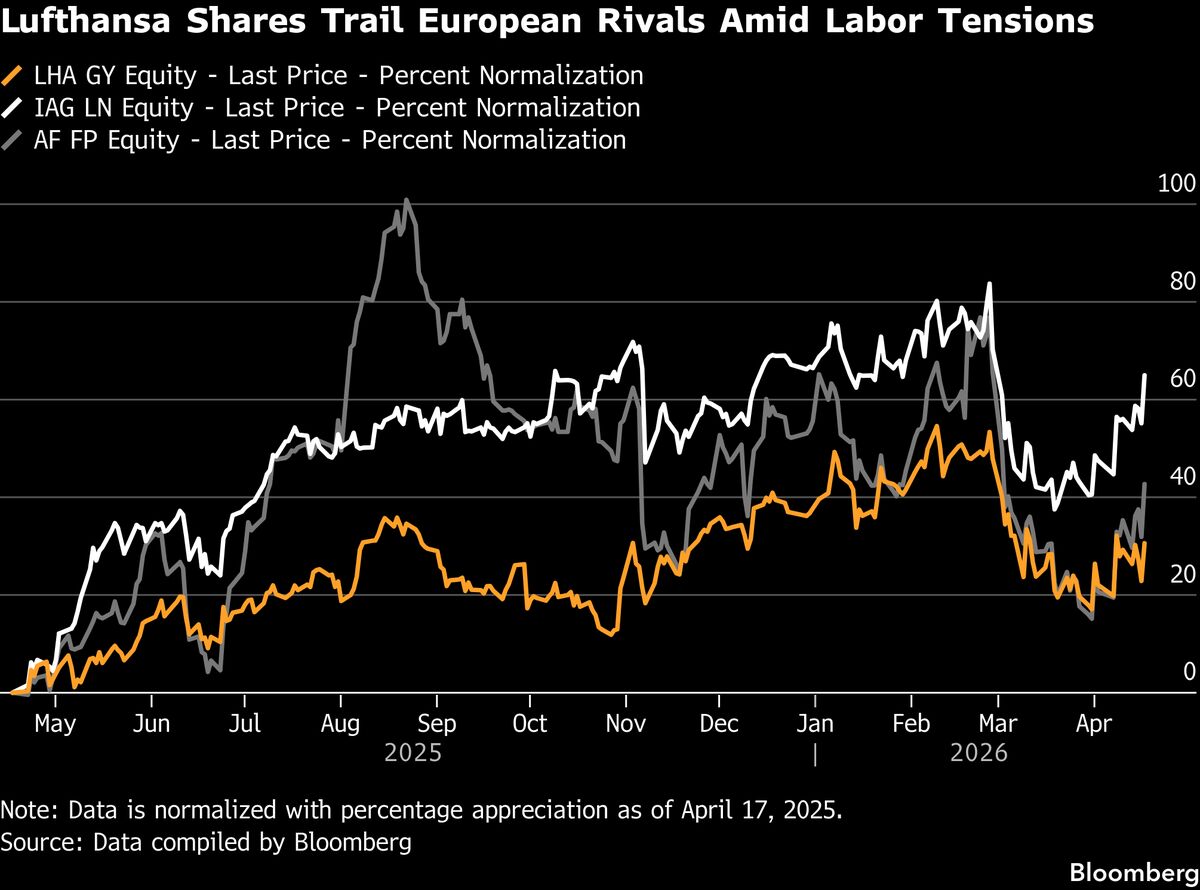
Despite the celebratory atmosphere, Lufthansa’s leadership faces mounting pressures. The airline’s workforce, including pilots and cabin crews, has staged repeated strikes over pay and working conditions, disrupting travel for thousands. These labor tensions reflect broader industry struggles as carriers worldwide grapple with staffing shortages and inflationary cost surges.
Analysts note that while Lufthansa returned to profitability in 2022, its recovery lags behind rivals like Air France-KLM and IAG, owner of British Airways. Rising fuel costs and a slower rebound in Asian travel demand have further squeezed margins. CEO Carsten Spohr, who has led the company since 2014, struck an optimistic tone at the anniversary event, declaring, “Our next century will be defined by sustainability and innovation.” Yet skeptics question whether the airline can balance ambitious environmental goals with shareholder expectations.
The Green Transition: Can Lufthansa Lead the Way?
Sustainability dominated discussions at the centenary event, with Spohr unveiling plans to invest billions in fuel-efficient aircraft and alternative energy sources. Lufthansa has pledged to achieve carbon neutrality by 2050, aligning with EU climate targets. However, critics argue that the airline’s reliance on carbon offsetting—rather than immediate emissions reductions—falls short of meaningful change.
Aviation experts emphasize the sector’s dilemma: air travel demand is surging post-pandemic, yet the industry accounts for nearly 3% of global CO₂ emissions. Lufthansa’s bet on synthetic fuels and next-gen aircraft like the Airbus A350 reflects a cautious approach, but competitors are moving faster. Scandinavian carrier SAS, for instance, aims for 25% sustainable fuel usage by 2030, while startups like Heart Aerospace explore electric regional jets.
Geopolitical Headwinds and Market Shifts
Beyond operational hurdles, Lufthansa must navigate an increasingly fragmented geopolitical landscape. The war in Ukraine has disrupted key routes to Asia, while U.S.-China tensions threaten lucrative trans-Pacific partnerships. Meanwhile, budget carriers like Ryanair and easyJet continue to erode Lufthansa’s dominance in European short-haul markets.
The airline’s strategy hinges on premium long-haul travel and its sprawling network of subsidiaries, including Swiss International Air Lines and Austrian Airlines. However, analysts warn that consolidation alone won’t suffice. “Lufthansa must redefine its value proposition,” says aviation consultant John Strickland. “Travelers today prioritize affordability and flexibility as much as brand loyalty.”
A Nostalgic Celebration with Eyes on the Horizon
As the centenary event concluded with a flypast of historic and modern Lufthansa aircraft, the symbolism was unmistakable: a legacy carrier at a crossroads. The airline’s ability to honor its past while adapting to a rapidly changing industry will determine whether it soars into a second century—or struggles to stay aloft.
For now, Lufthansa’s milestone serves as both a triumph and a reminder. As Chancellor Merz remarked, “This is not just a celebration of 100 years gone by, but a call to action for the next 100.” The aviation world will be watching closely to see if Lufthansa can turn its ambitions into altitude.
