


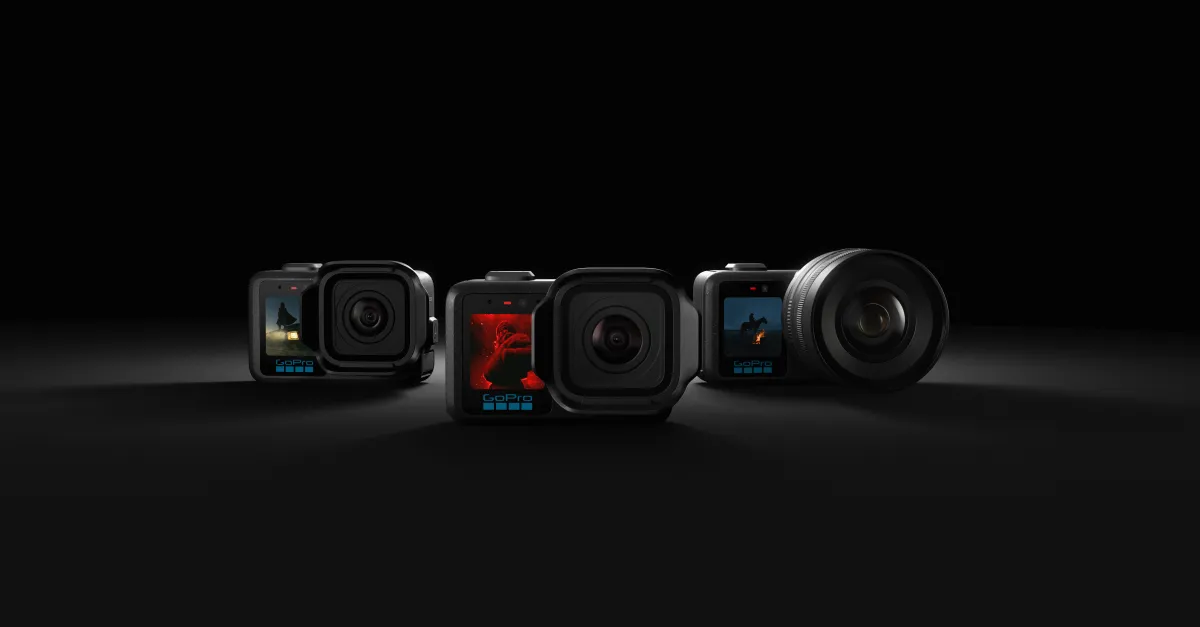

GoPro Launches High-End Mission 1 Series: A Bold Move Targeting Professional Filmmakers
By [Your Name]
May 28, 2024
GoPro, the company synonymous with rugged action cameras, is making a decisive leap into the professional filmmaking market with its new Mission 1 and Mission 1 Pro models. Priced at $599.99 and $699.99 respectively—with a $100 discount for GoPro subscribers—the cameras represent a significant departure from the brand’s traditional consumer-focused offerings. While the advanced specs may thrill cinematographers, the premium pricing could deter casual adventurers who have long been GoPro’s core audience.
The cameras are now available for pre-order, with shipments beginning May 28. Early adopters will receive a free Point-and-Shoot Grip accessory (while supplies last). Meanwhile, the Mission 1 Pro ILS, featuring an interchangeable Micro Four Thirds (MFT) lens mount, is slated for release in Q3 2024 at $699.99 ($599.99 for subscribers).
A New Era for GoPro: From Action Shots to Cinematic Production
GoPro is marketing the Mission series as the “world’s smallest, lightest, and most durable high-resolution, high-frame-rate cinematic camera system.” At the heart of these devices is a 50MP 1-inch sensor paired with GoPro’s new GP3 processor, promising studio-grade imagery in a compact, weather-resistant body.
This shift signals GoPro’s ambition to compete with high-end cinema cameras from Sony, Blackmagic Design, and RED—while retaining the portability that made its Hero series a staple for extreme sports enthusiasts. However, the pricing strategy raises questions: Is GoPro leaving its weekend warriors behind?
Pricing and Ecosystem: A Tough Sell for Casual Users
The Mission 1 series is undeniably premium-priced, especially when compared to GoPro’s flagship Hero12 Black, which retails at $399. The additional costs don’t stop there—accessories like the Wireless Mic System ($159.99), Media Mod ($149.99), and Enduro 2 battery ($34.99) further inflate the total investment.
For professional filmmakers, the specs may justify the cost. The Mission 1 Pro ILS, with its MFT lens compatibility, offers versatility for drone operators, documentary shooters, and indie filmmakers who need interchangeable optics. But for the average user filming mountain bike descents or surf sessions, the Hero12 Black remains a far more practical choice.
Strategic Shift or Risky Gamble?
GoPro’s pivot toward the prosumer and professional markets comes after years of struggling to differentiate itself in an increasingly crowded action camera space. Competitors like DJI’s Osmo Action 4 and Insta360’s Ace Pro have eroded GoPro’s dominance with comparable features at lower price points.
By introducing the Mission series, GoPro is betting that high-end creators will pay a premium for a compact, rugged camera that doesn’t sacrifice cinematic quality. Yet, the risk is clear: alienating its loyal base of outdoor enthusiasts who may balk at the steep entry price.
What’s Next for GoPro?
The success of the Mission 1 series will hinge on whether professionals embrace it as a viable alternative to bulkier cinema cameras. If GoPro can carve out a niche in the documentary, travel, and adventure filmmaking sectors, the gamble could pay off. However, if demand remains tepid, the company may need to reconsider its positioning—or introduce more affordable variants.
For now, GoPro is doubling down on its high-end vision, leaving consumers to decide: Is the Mission 1 series the future of compact filmmaking, or an overpriced experiment? Only time—and sales figures—will tell.
