


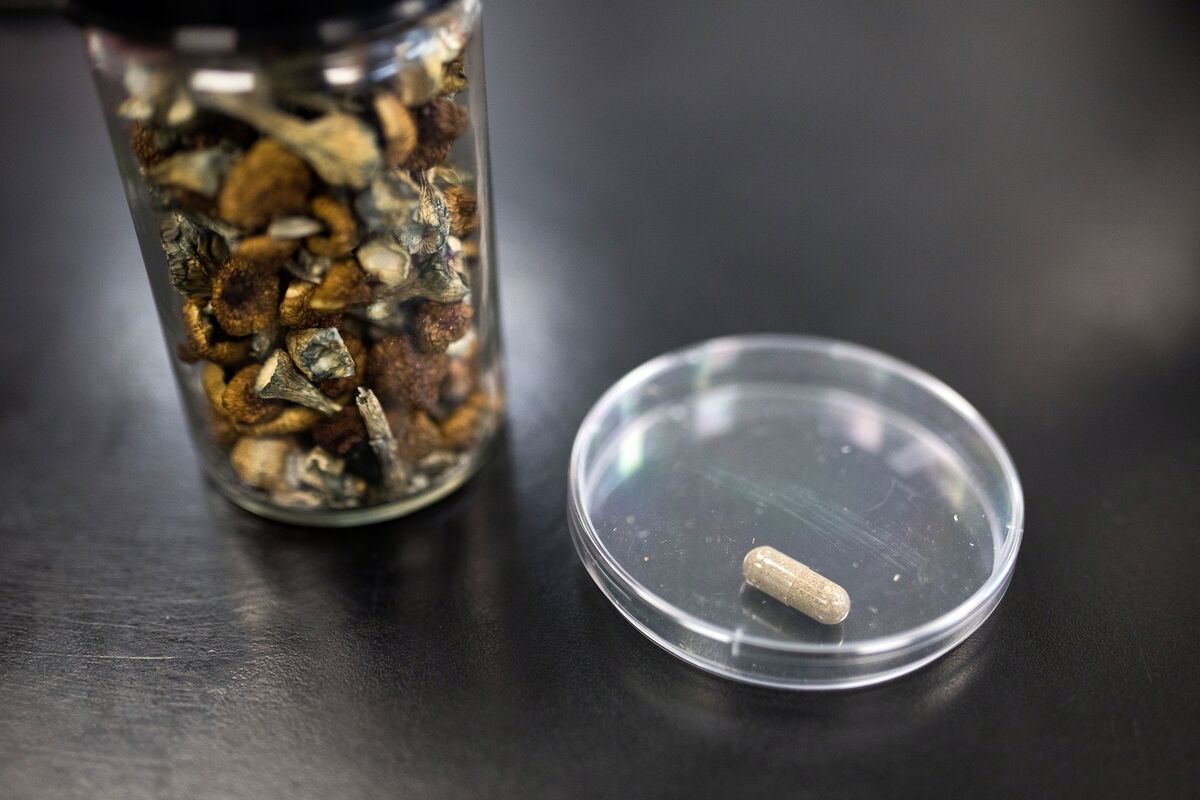

Psychedelic Therapy Stocks Soar as Government Backs Research Initiatives
A New Era for Mental Health Treatment Begins
The psychedelic medicine sector is experiencing an unprecedented surge as investors rally behind companies specializing in psychedelic-assisted therapies. This dramatic uptick follows a landmark executive order signed by the U.S. government, accelerating research and regulatory approvals for psychedelic compounds in treating mental health disorders. Stocks in leading biotech firms focusing on psilocybin, MDMA, and other psychedelics skyrocketed in premarket trading, signaling a potential paradigm shift in psychiatric care.
The move comes amid growing recognition of psychedelics’ therapeutic potential, particularly for conditions like depression, PTSD, and addiction—ailments that have proven resistant to conventional treatments. With governments and medical institutions increasingly open to alternative therapies, the psychedelic medicine industry is poised for explosive growth.
Breaking Down the Executive Order
The newly signed directive mandates federal agencies to streamline clinical trials and remove bureaucratic hurdles for psychedelic research. It also allocates funding for studies examining the efficacy of substances like psilocybin (found in “magic mushrooms”) and MDMA (commonly known as ecstasy) in controlled medical settings.
This policy shift reflects mounting scientific evidence supporting psychedelics’ benefits. Recent studies from institutions like Johns Hopkins and Imperial College London have demonstrated that, when administered under professional supervision, these substances can produce long-lasting relief for patients with severe mental health conditions.
The executive order does not legalize recreational use but establishes a framework for regulated medical applications. Experts suggest this could lead to FDA approvals within the next few years, mirroring the trajectory of cannabis legalization for medicinal purposes.
Market Reaction: A Gold Rush for Psychedelic Stocks
Investors are betting big on the sector’s future. Shares in companies such as Compass Pathways (CMPS), MindMed (MNMD), and Atai Life Sciences (ATAI) surged by double digits in early trading. Compass Pathways, which is conducting advanced trials on psilocybin therapy for treatment-resistant depression, saw its stock jump nearly 20%. Similarly, MindMed, a firm exploring LSD-based treatments for anxiety, experienced a sharp uptick as traders anticipated accelerated regulatory pathways.
The bullish sentiment extends beyond biotech. Pharmaceutical giants are also exploring partnerships with psychedelic startups, recognizing the multibillion-dollar potential of this emerging market. Analysts project that the global psychedelic therapeutics market could exceed $10 billion by 2030, driven by increasing mental health awareness and the limitations of existing antidepressants.
Why Psychedelics? The Science Behind the Boom
Traditional antidepressants, such as SSRIs, often take weeks to show effects and fail to work for nearly 30% of patients. Psychedelics, however, have shown rapid and sustained results in clinical settings.
- Psilocybin: Studies indicate that a single dose, combined with psychotherapy, can alleviate depression for months.
- MDMA: Designated a “breakthrough therapy” by the FDA, it has shown remarkable success in treating PTSD.
- Ketamine: Already FDA-approved for treatment-resistant depression, it has paved the way for other psychedelics.
Critics caution that risks remain, including potential misuse and adverse psychological reactions. However, proponents argue that strict medical protocols mitigate these dangers, making psychedelics a viable alternative for patients with few other options.
Global Implications and Future Prospects
The U.S. is not alone in revisiting psychedelic policies. Countries like Canada, Australia, and Israel have already approved limited use of psychedelic therapies, while the UK and Germany are fast-tracking research initiatives. The World Health Organization has also called for a re-evaluation of international drug classifications to facilitate medical research.
If regulatory momentum continues, psychedelic-assisted therapy could become mainstream within the decade, transforming mental healthcare and offering hope to millions. Yet, as with any medical breakthrough, the balance between innovation and caution will be crucial.
For now, the message is clear: the psychedelic revolution has begun, and the world is watching.
