


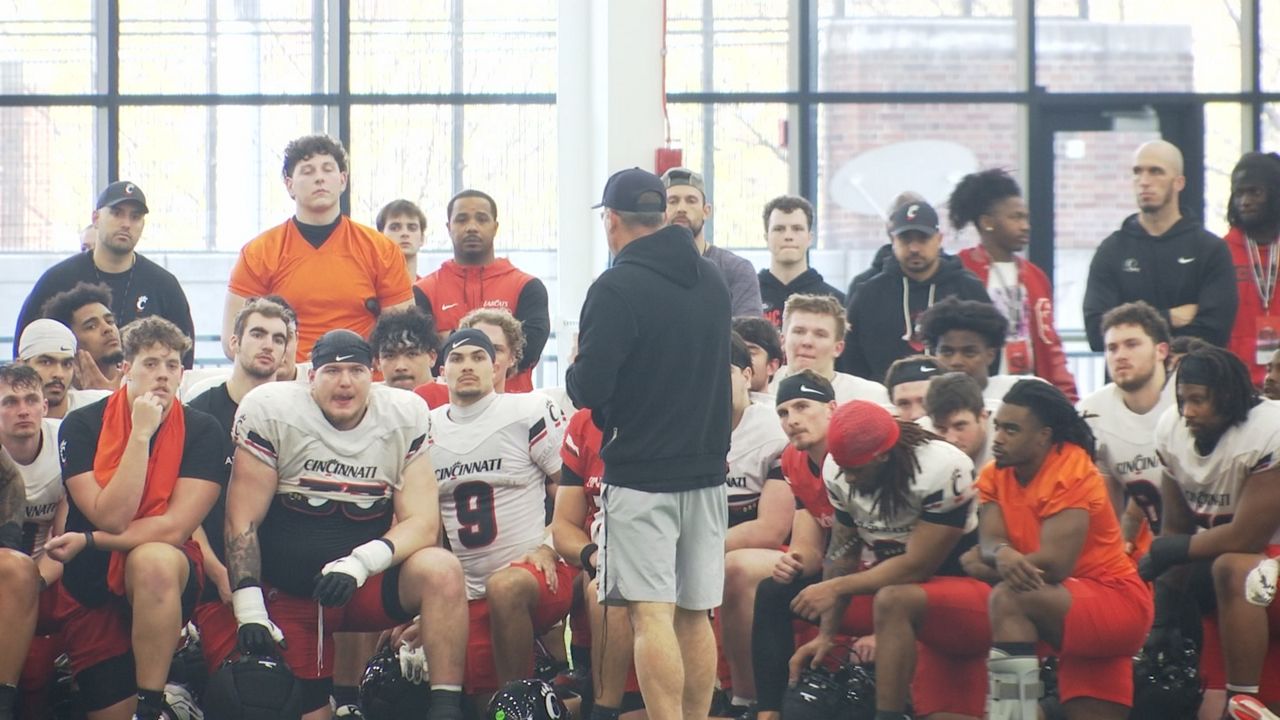

Cincinnati Football Coach Joins National Health Initiative After Teammate’s Tragic Death
CINCINNATI — The pressure on college football coaches is relentless—long hours, high expectations, and the constant demand to win. But while much attention has been paid to athletes’ mental health, the well-being of coaches is often overlooked. Now, University of Cincinnati head coach Scott Satterfield is leading a charge to change that, joining a nationwide effort to prioritize coaches’ health after the sudden loss of a close friend.
A Wake-Up Call for Coaches
Last fall, Shawn Clark, a former teammate of Satterfield’s at Appalachian State and a longtime coaching colleague, died unexpectedly from a stroke. Clark, who was just 49, had been the head coach at Appalachian State from 2019 until his passing. His death sent shockwaves through the coaching community, forcing many to reconsider their own health habits.
“We’re all in programs where everybody expects to win,” Satterfield said. “Fans are on you if you don’t perform. But Shawn’s passing made me realize—life is too short to ignore your health.”
Clark’s wife, Jonelle, believes his death could have been prevented with a simple physical. In his memory, she launched the 61 Initiative, named after his jersey number and symbolizing the idea of taking “one more minute” for health. The program encourages coaches to schedule regular check-ups, something many neglect in the grind of the season.
“I wish I had forced him to get a physical,” Jonelle said. “Coaches take care of everyone—their players, their families—but they’re always last on their own list.”
A Growing Movement
The 61 Initiative, part of the Shawn Clark Legacy Foundation, has already gained traction, with 30 college football programs committing to prioritize coaches’ health screenings. Ohio University is among the latest to join, with hopes of expanding to more schools before the upcoming season.
Satterfield, who admits he’s skipped physicals in the past, is now making sure his entire staff gets checked. “Shawn’s memory is pushing me to do better,” he said. “We can’t help our teams if we’re not healthy ourselves.”
The Hidden Toll of Coaching
The demands of college football coaching are well-documented—80-hour workweeks, relentless travel, and the stress of job security. Studies have shown that high-pressure careers like coaching can lead to elevated risks of heart disease, stroke, and mental health struggles. Yet, many coaches brush off symptoms, believing they don’t have time to slow down.
“We move so fast in this profession that we don’t stop to take care of ourselves,” Satterfield said. “But a simple physical could save a life.”
Jonelle Clark hopes her husband’s legacy will inspire lasting change. “If we can prevent even one family from going through what we did, it’s worth it,” she said.
As football season approaches, the 61 Initiative is a reminder that behind every team’s success are coaches who need to prioritize their health—before it’s too late.
— Reported by Nexio News
