



Tokyo Condo Prices Dip for Second Month, Raising Questions About Japan’s Property Boom
By [Your Name]
April 10, 2024
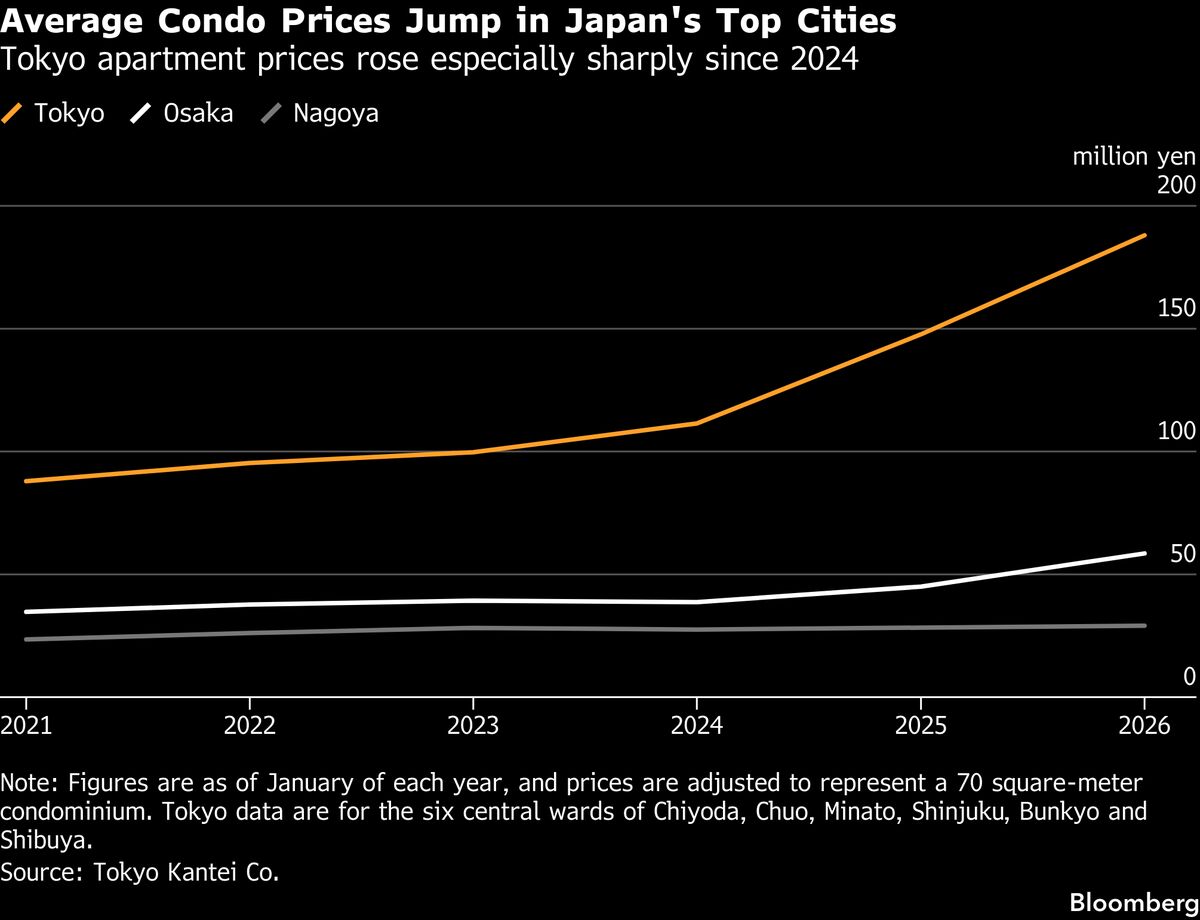
Tokyo’s once-booming property market is showing signs of strain as prices for pre-owned condominiums in the city center fell for the second consecutive month in March, sparking concerns that Japan’s real estate rally may be cooling. The decline, though modest, marks a notable shift for a market that has defied global economic headwinds in recent years, buoyed by ultra-low interest rates and strong demand from both domestic and foreign investors. Analysts are now questioning whether this is a temporary correction or the beginning of a broader slowdown in Japan’s property sector.
A Sudden Shift in Tokyo’s Property Landscape
Data from the Tokyo Kantei Real Estate Research Institute reveals that the average price of a used condominium in Tokyo’s central 23 wards dipped by 0.8% in March, following a 0.5% drop in February. While the decreases are not drastic, they represent the first consecutive monthly declines since early 2022, when Japan was still grappling with pandemic-related economic disruptions.
For years, Tokyo’s real estate market has been a standout performer, with prices climbing steadily even as other global cities faced post-pandemic corrections. The Bank of Japan’s prolonged negative interest rate policy—only recently adjusted in March—made borrowing cheap, fueling demand for residential and commercial properties alike. Foreign investors, particularly from Singapore and Hong Kong, poured capital into high-end developments, while domestic buyers sought refuge in real estate as a hedge against inflation.
Yet the latest figures suggest that momentum may be waning. “This could be an early indicator that affordability constraints are finally catching up,” said Kenji Watanabe, a senior analyst at Nomura Securities. “Wage growth hasn’t kept pace with property inflation, and with the BOJ’s policy shift, mortgage rates are inching up.”
Broader Market Implications
The softening of Tokyo’s condo prices raises broader questions about Japan’s economic trajectory. Real estate has been a rare bright spot in an economy long plagued by deflationary pressures and stagnant consumer spending. A sustained downturn could dampen investor confidence just as Japan seeks to solidify its recovery.
Some experts argue that the dip is merely a seasonal adjustment or a reaction to the BOJ’s policy tweak rather than a structural decline. “March is typically a slower month for transactions due to the fiscal year-end,” noted real estate consultant Aya Fujimoto. “We’ll need to see April and May data to determine if this is a trend.”
Others point to external factors, such as the weakening yen, which has made Japanese assets cheaper for foreign buyers but also increased construction costs due to pricier imported materials. Additionally, a surge in new condo supply—developers rushed to complete projects ahead of the rate hike—may have temporarily saturated the market.
Global Comparisons and Investor Sentiment
Tokyo’s situation contrasts with other major global cities where property markets have shown mixed signals. While London and New York have seen sluggish demand due to high borrowing costs, markets like Dubai and Singapore remain robust. Japan’s unique monetary policy has long insulated its real estate sector from global rate hikes, but the BOJ’s recent pivot suggests that era may be ending.
International investors, who have been key drivers of Tokyo’s luxury segment, are watching closely. “If prices continue to soften, we may see some pullback from overseas buyers,” said James Carter, a Hong Kong-based fund manager specializing in Japanese assets. “But long-term fundamentals—like urbanization and limited land supply—still favor Tokyo.”
What’s Next for Japan’s Property Market?
The coming months will be critical in determining whether Tokyo’s dip is a blip or the start of a deeper correction. Key factors to watch include:
- Bank of Japan Policy: Further rate hikes could dampen demand, especially if mortgage costs rise significantly.
- Wage Growth: If salaries increase as part of Japan’s push for sustainable inflation, affordability concerns may ease.
- Foreign Investment: A weaker yen could attract more overseas buyers, offsetting domestic slowdowns.
For now, the market remains in a state of cautious optimism. While some buyers may see this as an opportunity to enter at slightly lower prices, others are waiting for clearer signals before making big moves.
As one veteran Tokyo realtor put it: “The market isn’t crashing—it’s just catching its breath.” Whether that breath turns into a sigh of relief or a gasp for air remains to be seen.
