



Mexico Seeks to Calm Tensions with U.S. After CIA Agents Killed in Drug Lab Raid
A Deadly Operation Sparks Diplomatic Strain
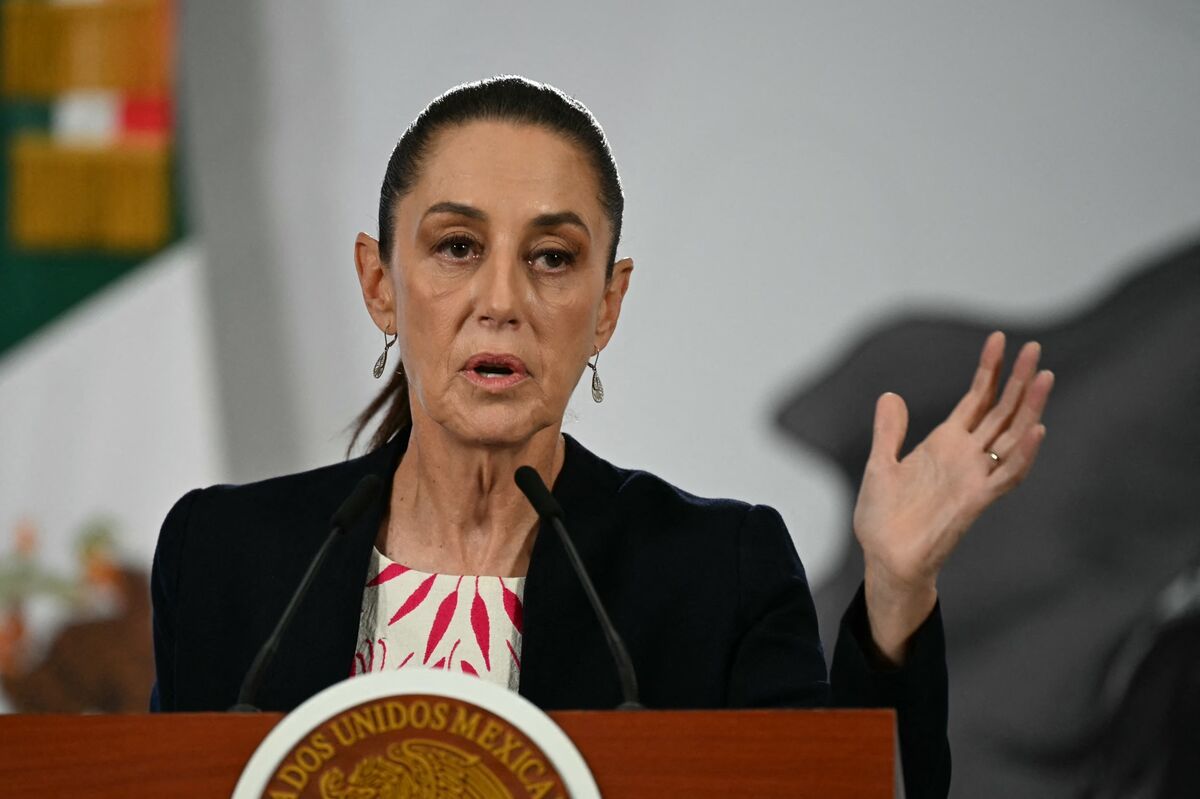
A violent confrontation during a high-stakes drug lab raid in northern Mexico has left several CIA operatives dead, triggering a diplomatic crisis between the U.S. and Mexico. President Claudia Sheinbaum swiftly moved to defuse tensions, attributing the security lapse to an opposition-led state government while pledging cooperation with Washington. The incident, which unfolded in a region notorious for cartel violence, underscores the fragile nature of cross-border security operations and raises urgent questions about accountability in Mexico’s escalating drug war.
The Raid Gone Wrong
Details remain murky, but preliminary reports suggest that U.S. intelligence agents were embedded with Mexican security forces during a planned operation targeting a clandestine drug manufacturing facility. The mission, intended to dismantle a major synthetic drug production hub, turned deadly when armed cartel members ambushed the raiding party. The ensuing firefight resulted in multiple casualties, including CIA personnel—an exceptionally rare occurrence given the covert nature of such operations.
Mexican authorities have not disclosed the exact number of American fatalities, but U.S. officials confirmed the deaths, marking one of the deadliest episodes for CIA operatives in Mexico in recent memory. The White House has demanded a full investigation, while Mexican officials scramble to contain the political fallout.
Sheinbaum Points Finger at State Government
In a carefully worded statement, President Sheinbaum expressed condolences but shifted blame to local authorities in the northern state where the raid occurred. Without naming specific officials, she accused the opposition-led government of failing to follow established security protocols, suggesting that poor coordination and intelligence leaks may have compromised the operation.
“The Mexican federal government is fully committed to combating organized crime in partnership with our international allies,” Sheinbaum said. “However, certain state administrations have not upheld the necessary standards of cooperation, putting lives at risk.”
Her remarks were widely interpreted as a jab at governors from rival political parties, particularly in regions where cartels exert significant influence over local institutions. Critics, however, argue that the federal government shares responsibility for security failures, given its oversight of military and federal police operations.
U.S. Reaction: Anger and Calls for Accountability
The Biden administration has reacted with a mix of restraint and frustration. While stopping short of publicly condemning Mexico, senior U.S. officials privately expressed outrage over what they describe as preventable lapses in operational security. The CIA, which rarely acknowledges field losses, is reportedly conducting its own internal review.
“This was a catastrophic breakdown in communication,” a U.S. intelligence source told reporters on condition of anonymity. “When American lives are lost in a partner nation’s operation, there must be consequences.”
The incident threatens to strain already delicate U.S.-Mexico relations, particularly as both nations grapple with soaring fentanyl trafficking and record migration pressures. Security cooperation between the two countries has been a cornerstone of bilateral ties, but recurring disputes over sovereignty and strategy have often led to friction.
Cartels Exploit Weaknesses in Security Forces
Analysts warn that Mexico’s drug cartels have grown increasingly sophisticated in countering law enforcement efforts. The Sinaloa and Jalisco New Generation cartels, which dominate synthetic drug production, are known to infiltrate police and government agencies, tipping off operatives ahead of raids. Some experts suggest that the failed operation may have been compromised from within.
“This tragedy highlights the cartels’ ability to outmaneuver authorities,” said security analyst Eduardo Guerrero. “When criminal groups have better intelligence than the state, every operation becomes a gamble.”
The incident also raises concerns about the risks faced by foreign agents operating in Mexico. While U.S. intelligence personnel frequently collaborate with Mexican counterparts, their involvement is typically discreet. The deaths of CIA operatives—whose identities remain classified—could force a reassessment of joint mission protocols.
Historical Context: A Fraught Security Partnership
U.S.-Mexico security cooperation has been marked by both successes and deep mistrust. The Mérida Initiative, launched in 2008, provided billions in U.S. aid to combat drug trafficking, but results have been mixed. High-profile arrests of cartel leaders have often led to violent power struggles rather than lasting stability.
Recent years have seen Mexico assert greater independence in its security strategy, with President Andrés Manuel López Obrador (AMLO) favoring a “hugs, not bullets” approach aimed at reducing violence through social programs rather than militarized crackdowns. His successor, Sheinbaum, has largely continued this policy, though critics argue it has emboldened criminal groups.
The latest incident may force both nations to revisit their strategies. U.S. lawmakers are already calling for stricter oversight of joint operations, while Mexican officials face pressure to demonstrate competence in protecting foreign partners.
What Comes Next?
In the short term, Mexico’s government is expected to ramp up arrests to signal its commitment to justice. However, past crackdowns have often resulted in low-level detentions rather than meaningful dismantling of cartel networks.
For the U.S., the challenge will be balancing demands for accountability with the need to preserve a critical security alliance. Some hardliners may push for unilateral actions, including potential drone strikes or sanctions, though such measures would likely provoke a backlash in Mexico.
Meanwhile, the families of the slain agents await answers—and justice—in a case that has exposed the perilous realities of the drug war. As both nations navigate the fallout, one thing is clear: the stakes for cross-border security cooperation have never been higher.
The question now is whether this tragedy will lead to lasting reforms—or further erode an already fragile partnership.
