



Terminally Ill Adults Bill Faces Hurdles in Lords Despite MP Support
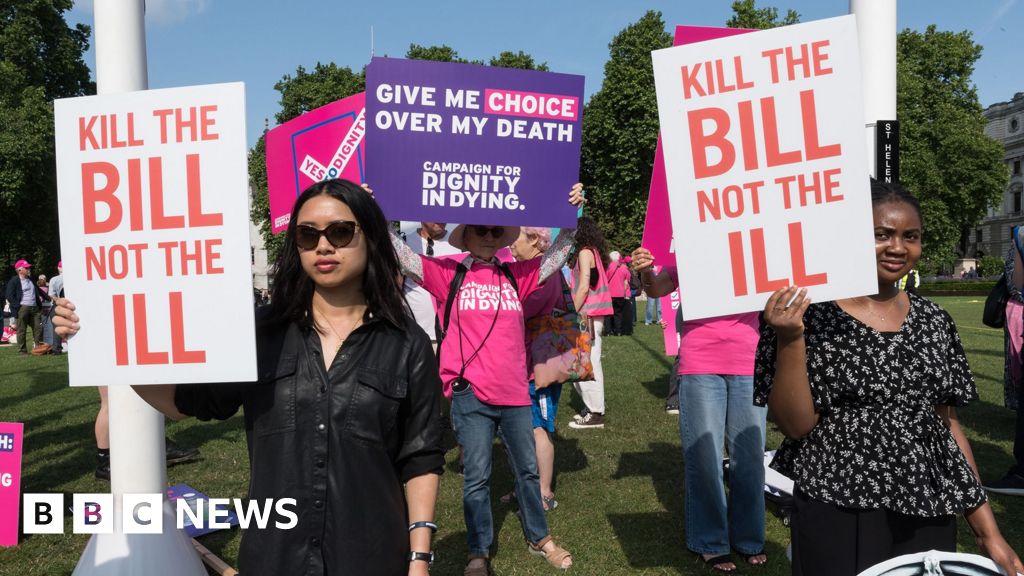
A proposed legislation aiming to provide terminally ill adults in England and Wales with greater control over their end-of-life care has hit a roadblock in the House of Lords, despite securing significant support from Members of Parliament. The Terminally Ill Adults (End of Life) Bill, which seeks to allow individuals with terminal illnesses to access assisted dying under strict safeguards, has failed to advance through its parliamentary stages in the Lords, sparking debate over the ethical, legal, and societal implications of such measures.
The bill, introduced earlier this year by cross-party MPs, garnered widespread support in the House of Commons, reflecting growing public sentiment on the need for compassionate end-of-life options. Proponents argue that the legislation would offer dignity and autonomy to those facing unbearable suffering, aligning with similar laws in countries like Canada, New Zealand, and several U.S. states. However, the bill’s progress was halted in the Lords, where concerns over potential abuses and the sanctity of life took precedence.
The Bill’s Core Provisions
The Terminally Ill Adults (End of Life) Bill outlines a framework for assisted dying, permitting adults with a terminal illness and a life expectancy of fewer than six months to request medical assistance to end their lives. The process would require multiple safeguards, including approval from two independent doctors, a psychological assessment to ensure mental capacity, and a mandatory reflection period. Supporters emphasize that the bill is not a blanket endorsement of euthanasia but a carefully regulated option for those meeting stringent criteria.
Campaigners have long highlighted stories of terminally ill individuals forced to endure prolonged suffering or travel abroad to access assisted dying services. They argue that the current legal framework fails to address the needs of vulnerable patients, leaving them without alternatives.
Opposition and Ethical Concerns
Despite its compassionate rationale, the bill has faced fierce opposition, particularly from religious organizations, disability rights groups, and some medical professionals. Critics argue that allowing assisted dying could undermine trust in healthcare providers and place vulnerable individuals at risk of coercion. They also express concern that the legislation could erode societal attitudes toward the value of life, particularly for those with disabilities or chronic illnesses.
In the House of Lords, peers raised these ethical dilemmas, questioning whether adequate safeguards could be implemented to prevent abuse. Some argued that the bill could lead to a slippery slope, gradually expanding eligibility criteria beyond terminally ill adults. The debate has also highlighted divisions within the medical community, with some practitioners expressing support for patient autonomy while others emphasize their commitment to preserving life.
Global Context and Public Opinion
The UK’s debate over assisted dying mirrors discussions in other countries grappling with similar ethical questions. In 2021, New Zealand passed a referendum endorsing assisted dying, while Canada has seen a significant increase in such cases since legalizing the practice in 2016. In contrast, countries like Germany and France have maintained strict prohibitions, reflecting differing cultural and legal perspectives on the issue.
Public opinion in the UK has shown growing support for assisted dying, with recent surveys indicating that a majority of citizens favor legalizing the practice under specific conditions. Advocates argue that MPs’ support for the bill reflects this societal shift, urging lawmakers to align legislation with public sentiment.
Implications for the Future
The failure of the Terminally Ill Adults Bill to progress in the Lords does not mark the end of the debate. Proponents have vowed to continue pushing for legislative change, emphasizing the urgency of providing compassionate options for those nearing the end of their lives. Opponents, meanwhile, remain steadfast in their commitment to protecting vulnerable populations and upholding ethical principles in healthcare.
The bill’s fate underscores the complexities of addressing end-of-life care in a way that balances individual autonomy with societal responsibilities. As the UK navigates these challenges, the conversation is likely to intensify, particularly with the potential for renewed parliamentary efforts in the future.
For terminally ill individuals and their families, the delay represents a continuation of their struggle, with many calling for swift action to address what they see as an unmet need. As the debate evolves, lawmakers will be tasked with reconciling deeply held beliefs with the realities of modern healthcare, shaping the future of end-of-life care in the UK.
Conclusion
The Terminally Ill Adults (End of Life) Bill’s journey through Parliament highlights the enduring tensions between compassion and caution in addressing assisted dying. While MPs have signaled their readiness to embrace change, the Lords’ resistance underscores the need for a broader societal consensus on this deeply personal issue. As advocates and opponents continue to make their case, the UK remains at a crossroads, balancing the rights of individuals with the ethical imperatives of a society committed to safeguarding all its members. The coming months and years will likely see renewed efforts to find a path forward, ensuring that the voices of terminally ill patients are heard in this pivotal debate.
