


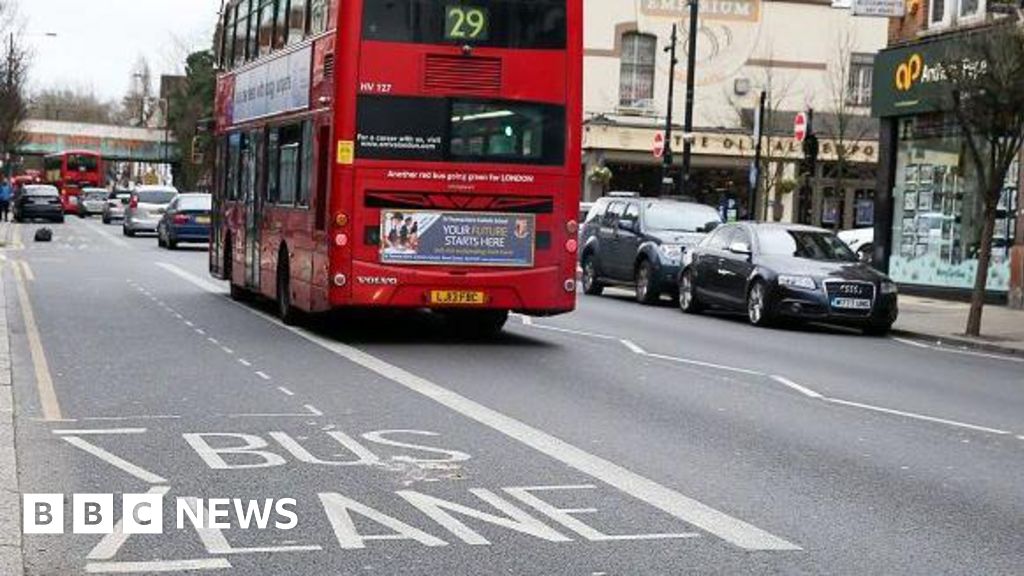

New Transport Plan Promises “Bus Lanes That Make Sense” Ahead of Local Elections
A major political party has unveiled a new transport strategy aimed at easing congestion for drivers, with a key pledge to introduce “bus lanes that make sense” as part of a broader effort to win over voters ahead of upcoming local elections. The proposal seeks to balance the needs of motorists and public transport users while addressing long-standing frustrations over inefficient road layouts.
The plan, announced yesterday, focuses on optimizing bus lane usage by reassessing their placement, operating hours, and enforcement. Critics have long argued that some bus lanes remain empty for extended periods while contributing to traffic bottlenecks. The party insists that smarter lane management will improve traffic flow without undermining public transport efficiency.
A Bid for Driver Support
With local elections just weeks away, the policy appears tailored to appeal to car-dependent voters who feel neglected by urban transport policies favoring cycling and buses. Rising fuel costs and congestion have made commuting a key voter concern, particularly in suburban and semi-rural areas where public transport options are limited.
“Drivers deserve a fair deal,” said the party’s transport spokesperson. “Bus lanes are essential, but they must work for everyone—not sit empty while traffic backs up. Our plan ensures buses get priority where it matters most, without unnecessary delays for other road users.”
The proposal includes measures such as:
- Dynamic bus lanes: Adjusting operating hours based on real-time traffic data.
- Improved signage: Clarifying when and where restrictions apply.
- Targeted enforcement: Focusing on lanes that actually benefit bus schedules.
Mixed Reactions from Stakeholders
Transport advocacy groups have responded cautiously. While some welcome the emphasis on practical solutions, others warn against diluting bus priority systems, which are vital for reliable services.
“Bus lanes exist for a reason—to keep public transport moving,” said a spokesperson for a leading urban mobility NGO. “If poorly implemented, this could slow down buses and push more people back into cars, worsening congestion overall.”
Local business leaders, however, have expressed support. “Gridlock hurts commerce,” noted a representative from a regional chamber of commerce. “If this plan gets traffic flowing while keeping buses efficient, it’s a win-win.”
Broader Transport Strategy
The bus lane proposal is part of a wider package that includes road maintenance funding, expanded park-and-ride facilities, and incentives for carpooling. The party has stopped short of endorsing congestion charges, a divisive issue in many cities.
Analysts suggest the move reflects a calculated shift toward motorists, a key demographic in swing districts. “This isn’t just about transport—it’s political positioning,” said a policy expert. “The party is betting that drivers, feeling squeezed by rising costs, will reward a pragmatic approach.”
Why It Matters
Transport remains a deeply polarizing issue in local governance. While environmental groups push for reduced car dependency, many voters still rely on private vehicles for daily life. Striking the right balance could determine electoral success in tight races.
The debate also highlights a growing tension between climate goals and practical mobility needs. Efficient bus lanes can reduce emissions by making public transport more appealing—but only if they function well. Poorly designed systems risk alienating both drivers and transit users.
What’s Next?
If the party gains ground in the elections, the policy could see rapid implementation in councils under its control. Opposition leaders, however, have signaled resistance, calling the plan a “short-term fix” that undermines sustainable transport goals.
Long-term, the success of the initiative may hinge on data. Cities like London and Manchester have used smart traffic systems to adjust bus lane operations dynamically—could this become a model nationwide?
For now, the promise of “bus lanes that make sense” has thrust transport policy back into the spotlight, setting the stage for a heated election battle over the future of local roads.
