


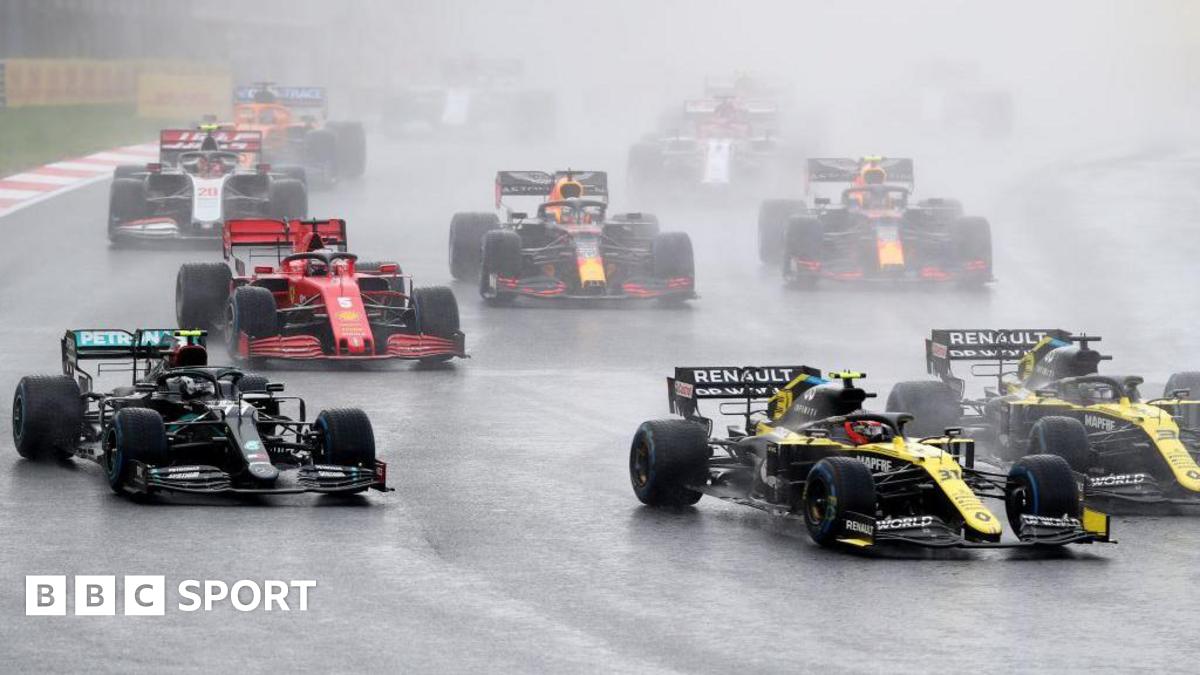

Turkey Secures Formula 1 Return as Global Motorsport Expansion Accelerates
A New Era for Formula 1 in Turkey
ISTANBUL – In a major coup for international motorsport, Turkey will rejoin the Formula 1 calendar in 2027, marking a strategic expansion of the racing series into key emerging markets. The announcement comes amid a broader push by F1 to capitalize on growing global interest, with races now confirmed in Belgium, Turkey, and other regions through 2031. The deal underscores Turkey’s rising geopolitical and economic influence, as well as its ability to attract high-profile sporting events despite regional instability.
Turkish President Recep Tayyip Erdoğan hailed the agreement as a testament to the country’s “organizational capacity, modern infrastructure, and renowned hospitality.” Meanwhile, F1 CEO Stefano Domenicali praised Istanbul’s unique cultural position as a bridge between Europe and Asia, reinforcing the sport’s ambitions to broaden its appeal beyond traditional Western markets.
Why Turkey’s Return Matters
Turkey last hosted a Grand Prix in 2021, but financial disputes and logistical challenges had kept it off the calendar since. Its return signals a shift in F1’s strategy—prioritizing nations with strong government backing and deep fan engagement. With nearly 19 million Turkish viewers tuning in for races and 7.5 million active social media followers, the country represents a crucial growth market.
The Istanbul Park Circuit, famed for its challenging turns and dramatic overtaking opportunities, has long been a fan favorite. Its reinstatement follows a broader trend of F1 reviving historic venues—such as Belgium’s Spa-Francorchamps, which secured a four-race deal between 2026-31—while also expanding into new territories like Las Vegas and Qatar.
Global Context: F1’s Geopolitical Playbook
Formula 1 has increasingly become a tool of soft power, with host nations leveraging races to boost tourism, showcase infrastructure, and project stability. Saudi Arabia, Azerbaijan, and China have all used Grand Prix events to reshape international perceptions, despite criticism over human rights records. Turkey’s resurgence aligns with this trend—Erdoğan’s government is keen to reinforce its global standing amid economic turbulence and strained EU relations.
The move also reflects F1’s commercial priorities. Under Liberty Media’s ownership, the sport has aggressively pursued younger, digitally engaged audiences. Turkey’s large youth demographic—with 65% of its population under 35—makes it an ideal market. Domenicali emphasized that Istanbul’s “blend of history and innovation” mirrors F1’s own balancing act between tradition and modernization.
Challenges Ahead
While the announcement has been met with enthusiasm, questions linger. Turkey’s economic instability, including a weakening lira and rising inflation, could strain event financing. Past F1 races in the country have struggled with low attendance, raising concerns about long-term viability. Additionally, geopolitical tensions—particularly Turkey’s complex relations with NATO and Russia—could introduce unforeseen complications.
However, F1’s confidence in Turkey suggests a calculated bet on the nation’s strategic importance. With the 2027 race set to coincide with the centenary of the Republic of Turkey, the event may serve as both a sporting spectacle and a national showcase.
The Bigger Picture: A Sport in Transition
Formula 1’s calendar expansion highlights its evolution from a European-centric series to a truly global phenomenon. The addition of street circuits in Miami and Las Vegas, alongside returns to classic tracks, demonstrates a dual focus on novelty and nostalgia. Meanwhile, the sport’s embrace of hybrid engines and carbon-neutral goals reflects broader societal shifts toward sustainability.
For Turkey, the Grand Prix is more than just a race—it’s a statement. As Erdoğan positions the country as a rising power, F1 provides a high-octane platform to capture the world’s attention.
Conclusion: Racing Toward the Future
As Formula 1 accelerates into a new era, its return to Turkey symbolizes the sport’s widening horizons. With governments increasingly viewing Grand Prix events as investments in prestige rather than mere entertainment, the geopolitical stakes have never been higher. For fans, the revival of Istanbul Park promises thrilling racing; for policymakers, it’s another move in the high-speed game of global influence. One thing is certain: in the fast lane of international sport, speed isn’t just measured in laps—it’s measured in strategic gains.
