


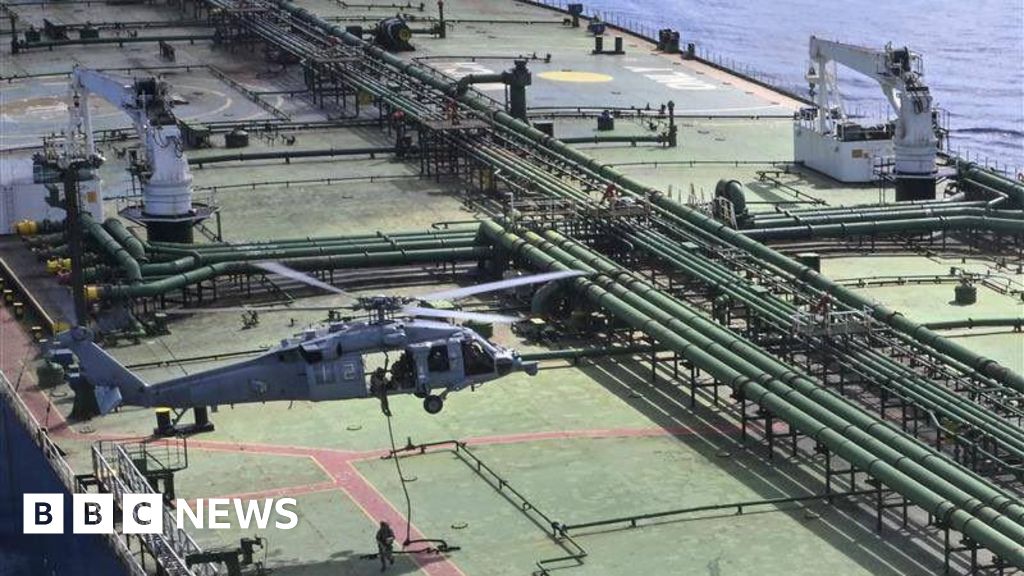

U.S. Intercepts 33 Vessels in Gulf Amid Escalating Tensions with Iran
A Dramatic Show of Force in Strategic Waters
The waters of the Persian Gulf have once again become a flashpoint in the simmering conflict between the U.S. and Iran. In a bold enforcement of its maritime blockade, U.S. Central Command (CENTCOM) announced the interception of 33 vessels suspected of violating sanctions against Tehran. The operation underscores Washington’s determination to curb Iran’s economic lifelines—particularly its oil exports—amid stalled nuclear negotiations and rising regional hostilities.
The Strait of Hormuz, a narrow chokepoint through which a fifth of the world’s oil passes, remains the epicenter of this high-stakes confrontation. With global energy markets already rattled by the Ukraine war and OPEC+ supply cuts, any disruption here could send shockwaves through the global economy.
Why the Blockade Matters
Since the U.S. reimposed sanctions on Iran after withdrawing from the 2015 nuclear deal, Tehran has relied on clandestine maritime networks to bypass restrictions. CENTCOM’s latest seizures—spanning weapons, oil, and dual-use technology—reveal the scale of these efforts.
- Economic Warfare: The Biden administration has tightened enforcement, aiming to weaken Iran’s ability to fund proxy groups like Hezbollah and the Houthis.
- Regional Escalation: Each intercepted shipment risks retaliation, as seen in past Iranian seizures of Western tankers and drone attacks on Saudi oil facilities.
- Global Energy Security: With Europe scrambling to replace Russian oil, any major disruption in Hormuz could trigger a price surge, worsening inflation worldwide.
A History of Maritime Brinkmanship
This is not the first time the Gulf has teetered on the edge of conflict. In 2019, Iran’s Revolutionary Guard Corps (IRGC) mined tankers and downed a U.S. drone, nearly triggering airstrikes. The recent interceptions suggest Washington is adopting a more aggressive posture, possibly anticipating renewed nuclear deal deadlock.
Meanwhile, Iran has expanded its shadow fleet—older tankers with obscured ownership—to evade sanctions. Western intelligence estimates that Tehran still exports over 1 million barrels per day, much of it to China. The cat-and-mouse game at sea shows no signs of slowing.
Global Reactions and Risks
- China & Russia: Both nations have criticized the U.S. blockade as “unilateral coercion,” with Beijing continuing to buy Iranian oil despite sanctions.
- Gulf Allies: Saudi Arabia and the UAE quietly support the enforcement but fear being dragged into open conflict.
- Europe: Struggling to balance energy needs with non-proliferation goals, the EU remains divided on how to respond.
Analysts warn that miscalculation could spiral into direct clashes. “Every intercepted ship is a potential trigger,” said a former Pentagon official. “Iran’s proxies could retaliate against U.S. bases in Iraq or Syria, or even target commercial shipping.”
What Comes Next?
With nuclear talks frozen and Iran enriching uranium closer to weapons-grade levels, the stakes are higher than ever. The U.S. appears to be betting that economic pressure will force concessions—but Tehran has historically doubled down when cornered.
For now, the world watches nervously as warships patrol the Gulf, and oil traders brace for volatility. In a region where one spark can ignite a broader fire, the latest interceptions are a stark reminder: the world’s most critical oil artery remains on a knife’s edge.
A Fragile Status Quo with No Easy Solutions
The Persian Gulf has long been a tinderbox of geopolitical rivalries, but today’s tensions carry unprecedented global consequences. As the U.S. and Iran engage in this high-seas standoff, the risks extend far beyond their bilateral feud—threatening energy markets, regional stability, and even the fragile post-Ukraine war order. Until diplomacy resumes or one side blinks, the world must prepare for more turbulence ahead.
