



Iran’s Quiet Rebellion: Women Defy Hijab Laws Amid Global Scrutiny
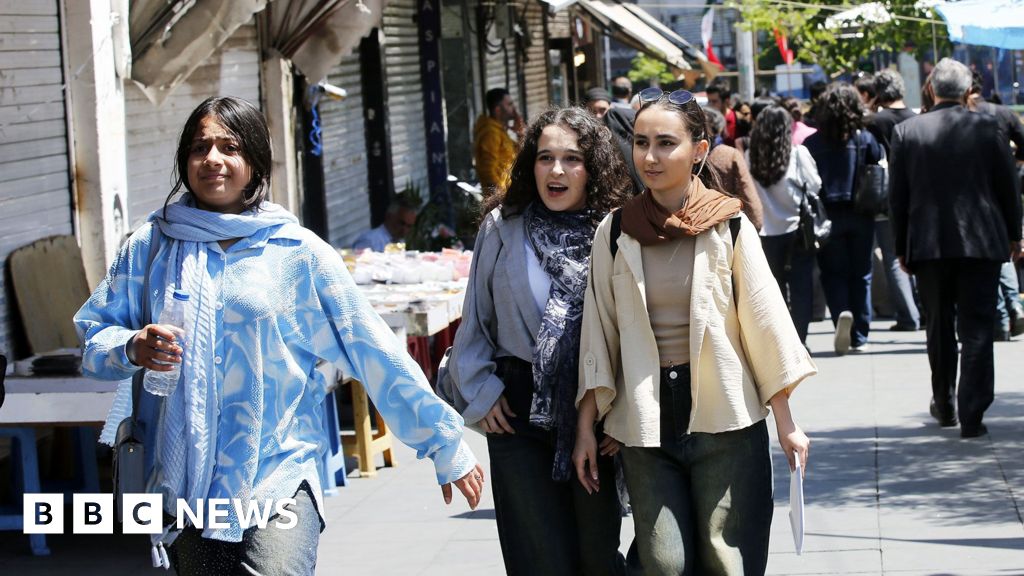
Tehran, Iran – In the bustling streets of Iran’s capital, a silent revolution is unfolding. Women—young students, professionals, and even grandmothers—are increasingly flouting the country’s strict hijab laws, their uncovered hair a quiet but potent act of defiance. This resistance, a lingering echo of the 2022 “Women, Life, Freedom” uprising, persists despite brutal crackdowns that left hundreds dead and thousands imprisoned. While the protests themselves were violently suppressed, their legacy endures in the daily choices of Iranian women, challenging one of the Islamic Republic’s most visible symbols of control.
The global implications are profound. As Iran navigates internal dissent and external pressures—from nuclear negotiations to regional conflicts—the struggle over women’s rights has become a barometer of the regime’s stability. With Western governments closely monitoring human rights abuses, Tehran’s handling of this unrest could reshape its international standing.
The Roots of Resistance: From Protests to Everyday Defiance
The 2022 protests erupted after the death of Mahsa Amini, a 22-year-old Kurdish woman detained by morality police for allegedly violating hijab rules. Her death ignited nationwide fury, with millions demanding an end to gender apartheid. Though the movement was met with bullets and mass arrests, it irreversibly shifted societal norms. Today, many women no longer fear the once-ubiquitous morality patrols, opting for loose headscarves or none at all.
Experts say this quiet rebellion reflects a deeper disillusionment. “The regime’s legitimacy is eroding,” says Dr. Sanam Vakil, Director of Chatham House’s Middle East Program. “Women aren’t just rejecting the hijab—they’re rejecting decades of systemic oppression.”
Global Context: Why This Matters Beyond Iran
Iran’s crackdown drew condemnation from the UN and sanctions from the U.S. and EU. Yet the hijab debate resonates globally, intersecting with broader struggles for gender equality and religious freedom. In France, bans on religious symbols in schools have sparked outrage among Muslim communities. In Afghanistan, Taliban-enforced hijab rules mirror Iran’s repression, drawing parallels between the two regimes.
For Western policymakers, Iran’s unrest is a litmus test. “If the regime falls, it could destabilize the region,” warns a European diplomat speaking anonymously. “But if it doubles down, it risks further isolation.” Meanwhile, activists worldwide see Iranian women as symbols of resilience, their defiance inspiring movements from Latin America to Asia.
The Regime’s Dilemma: Crack Down or Compromise?
Faced with growing dissent, Tehran has oscillated between repression and reluctant concessions. In 2023, authorities announced “softer” enforcement, replacing morality police with text message warnings—a move mocked by protesters as toothless. Yet arrests continue. Just last week, a viral video showed a woman dragged from a metro station for refusing to cover her hair.
Hardliners insist the hijab remains non-negotiable. “Moral decay is a Western plot,” thundered cleric Ahmad Khatami in a recent sermon. But with youth unemployment at 25% and inflation soaring, analysts question how long the regime can prioritize ideology over crisis management.
The Human Cost: Stories of Courage and Retribution
Behind the headlines are countless untold stories. Sara, a 28-year-old teacher, was fired after appearing on social media without a headscarf. “I’d rather starve than submit,” she told BBC Persian under a pseudonym. Others, like 19-year-old Neda, risk prison for filming their defiance. “They can’t jail us all,” she says, her voice trembling but resolute.
Yet the risks are real. Over 500 protesters were killed in 2022, and executions for “moral crimes” have surged. International rights groups accuse Iran of using torture and forced confessions, tactics that have only fueled global outrage.
What Comes Next?
The world is watching. With Iran’s 2025 elections looming, the hijab debate could become a rallying cry for reformists—or a pretext for further repression. For now, the streets remain a battleground, every bare head a small victory.
As dusk falls over Tehran, the message is clear: though the protests have faded, the revolution has not. And in a world where autocracy is on the rise, the courage of Iran’s women serves as both a warning and a beacon. The fight for “Women, Life, Freedom” is far from over—it’s simply entered a new, quieter, and perhaps more dangerous phase.
Additional reporting by correspondents in London and Brussels. Names of Iranian sources have been changed for their safety.
