


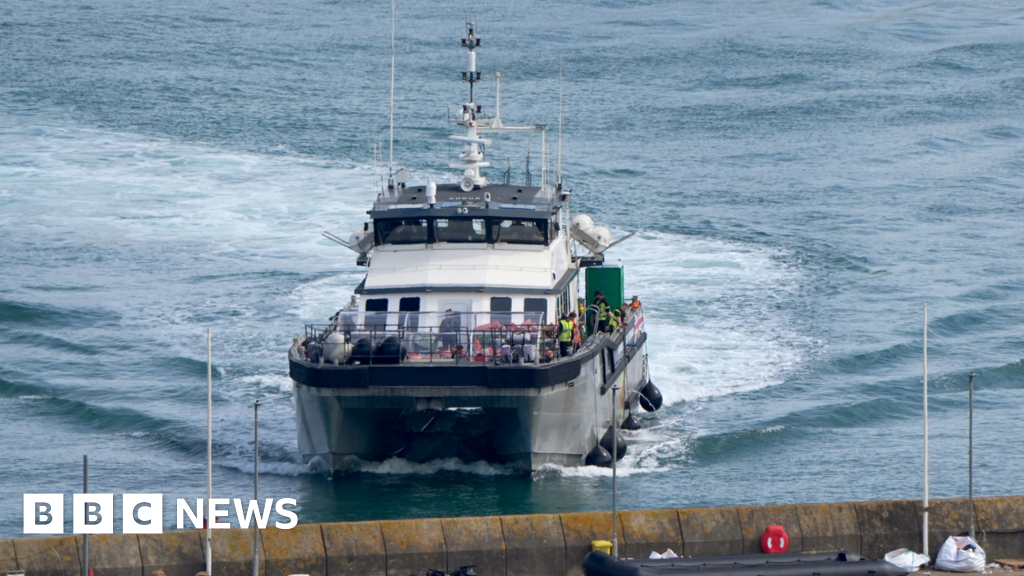

Tragedy in the Channel: Migrant Deaths Highlight Europe’s Perilous Migration Crisis
A Deadly Crossing in One of the World’s Busiest Shipping Lanes
The English Channel, a narrow strip of water separating Britain from continental Europe, has once again become a graveyard for desperate migrants. In the latest tragedy, at least five people drowned after their overcrowded inflatable boat capsized in freezing waters off the coast of France. According to the French Coast Guard, the victims—including women and children—succumbed to hypothermia within minutes, their bodies pulled from the waves by rescue teams battling treacherous conditions.
This incident is not an isolated one. The Channel, one of the most heavily trafficked maritime routes in the world, has seen a dramatic surge in illegal crossings in recent years, with thousands of asylum seekers and economic migrants risking their lives in flimsy vessels. But as geopolitical instability grows, so too does the human toll—raising urgent questions about Europe’s migration policies and the global forces driving this deadly exodus.
Why the Channel Is a Death Trap
Navigating the English Channel is a challenge even for experienced sailors. The waters are notorious for their violent currents, sudden storms, and shifting sandbanks. In winter, temperatures drop to near-freezing, meaning a person who falls overboard can lose consciousness within minutes and die shortly after.
Despite these dangers, the number of crossings has skyrocketed. In 2023 alone, over 30,000 migrants attempted the journey—a 50% increase from the previous year. Many pay smugglers thousands of euros for a spot on unseaworthy dinghies, often overloaded beyond capacity. French authorities report intercepting dozens of boats weekly, but with limited resources, they cannot stop them all.
The Global Forces Behind the Crisis
The Channel crisis is not just a European problem—it is a symptom of wider global instability. Conflicts in the Middle East, Africa, and South Asia have displaced millions, while economic inequality and climate change push even more to seek refuge in wealthier nations.
- War & Persecution: Many of those attempting the crossing are fleeing war-torn countries like Syria, Afghanistan, and Sudan.
- Economic Desperation: Others come from impoverished regions where jobs are scarce and corruption rampant.
- Smuggling Networks: Criminal gangs exploit these vulnerabilities, charging exorbitant fees for dangerous journeys.
The UK’s strict asylum policies—including the controversial Rwanda deportation plan—have further complicated the situation, pushing migrants to take ever-greater risks to reach British soil.
Why This Matters Beyond Europe
The deaths in the Channel are a grim reminder of the human cost of failed migration policies. But the implications stretch far beyond Europe’s borders:
- Humanitarian Concerns: The rising death toll challenges international commitments to refugee protections under the UN Refugee Convention.
- Political Fallout: Far-right movements across Europe are capitalizing on public frustration, fueling anti-immigrant sentiment.
- Global Security Risks: Unregulated migration routes empower smuggling networks linked to terrorism and organized crime.
If wealthier nations do not address the root causes—war, poverty, and climate displacement—these tragedies will only multiply.
A Call for Action—Before More Lives Are Lost
As rescue teams recover yet more bodies from the frigid waters, the world must ask: How many more must die before real solutions are found? Stricter border controls alone will not stop the crossings; only coordinated international efforts—fair asylum processes, aid to unstable regions, and dismantling smuggling rings—can stem the tide.
The English Channel should be a bridge between nations, not a watery grave for the desperate. Until leaders act, the waves will keep claiming lives—one tragic voyage at a time.
