



Global Security and the Rise of Digital Propaganda: How a YouTuber’s Livestream Highlights Modern Warfare’s New Frontlines
By [Your Name], Global Security Correspondent
A Digital Battlefield Emerges
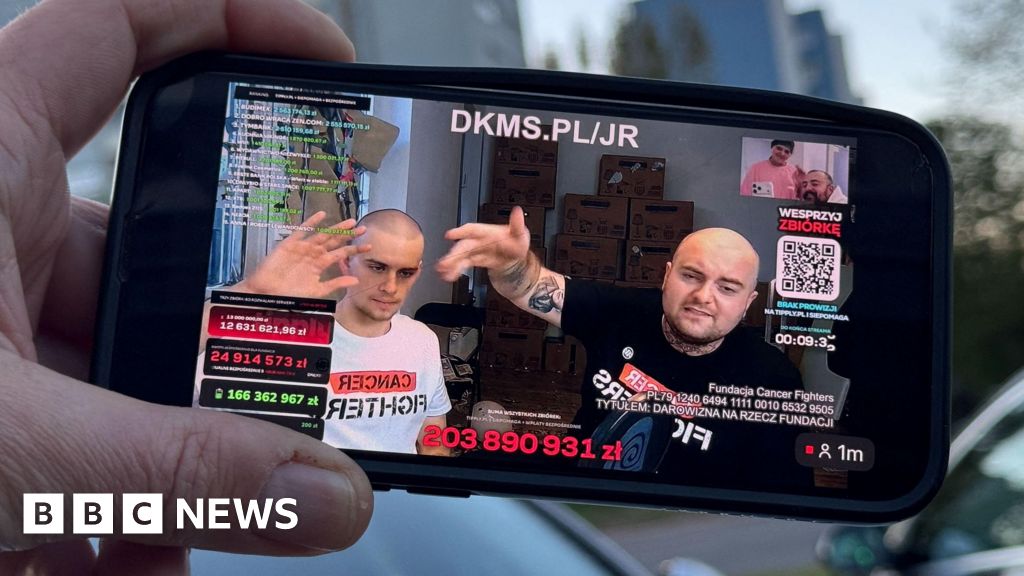
The screen flickers with explosions, the chat scrolls endlessly, and a lone YouTuber broadcasts war in real-time—not as a journalist, not as a soldier, but as a self-styled digital chronicler. Piotr Hancke’s nine-day, non-stop livestream, amplified by celebrity endorsements, was more than just viral content; it was a stark reminder of how modern conflicts are no longer fought solely on the ground but in the vast, unregulated expanse of the internet. As global tensions escalate, from Ukraine to the South China Sea, the weaponization of social media has become a critical—and often overlooked—dimension of 21st-century warfare.
The Livestream That Captivated the World
Hancke’s marathon broadcast, backed by high-profile influencers and viewed by millions, blurred the lines between entertainment, activism, and propaganda. Unlike traditional war reporting, which adheres to editorial standards and verification processes, his unfiltered stream offered raw, often unverified footage of conflict zones. Supporters hailed it as a bold act of citizen journalism, while critics warned it risked spreading misinformation and escalating tensions.
The phenomenon is not isolated. From the Arab Spring to Ukraine’s cyber front, digital platforms have become battlegrounds where narratives are shaped, morale is boosted, and dissent is suppressed. Hancke’s stream, whether intentional or not, fed into a broader trend: the democratization of war coverage—and the dangers that come with it.
The Global Context: Information Warfare in the Digital Age
Nation-states have long understood the power of propaganda, but the internet has supercharged its reach. Russia’s troll farms, China’s Great Firewall, and the West’s own influence operations demonstrate that controlling the narrative is now as vital as controlling territory.
- Russia-Ukraine War: Both sides have leveraged Telegram, Twitter (now X), and TikTok to rally support, with viral clips often stripped of context.
- Taiwan-China Tensions: Beijing floods social media with pro-unification messaging, while Taiwanese activists counter with appeals for sovereignty.
- Africa’s Coup Belt: Juntas and opposition groups use Facebook Live to broadcast revolutions in real time, bypassing state-controlled media.
The lack of regulation means false claims spread unchecked, fueling polarization and, in some cases, inciting violence. Hancke’s livestream, though seemingly independent, existed within this ecosystem—where every post, like, and share can become a tactical move in a larger information war.
Why This Matters: The Risks of Unvetted War Content
The stakes are higher than mere misinformation. Unverified footage can:
- Endanger Lives: Geolocated videos have led to airstrikes on civilian areas.
- Undermine Diplomacy: Viral outrage can harden negotiating positions, as seen in Gaza ceasefire talks.
- Radicalize Viewers: Algorithms push extreme content, deepening societal divides.
Governments and tech giants struggle to respond. While Meta and YouTube have policies against graphic war content, enforcement is inconsistent. Meanwhile, lawmakers debate whether to treat platforms as publishers or neutral conduits—a decision with profound implications for free speech and global security.
The Human Cost Behind the Screens
Beyond the geopolitical ramifications, there’s a quieter tragedy: the desensitization of audiences. Hancke’s stream, with its relentless barrage of explosions and commentary, risked reducing war to spectacle. For those living through the conflicts, however, there’s no pause button.
Refugees from Sudan, Myanmar, and Syria rarely trend on social media unless their suffering is packaged as shareable content. The paradox of digital activism is that it can amplify marginalized voices—or drown them in noise.
Conclusion: Navigating the Fog of Digital War
As Piotr Hancke’s livestream fades from the headlines, the questions it raises linger. In an era where anyone with a smartphone can shape global perceptions of war, who bears responsibility for the consequences? Governments, platforms, and users alike must grapple with the ethical and strategic dilemmas of this new frontier.
One thing is certain: the next major conflict will not only be fought with tanks and drones but with hashtags and livestreams. The world is watching—literally. How we respond will determine whether the digital age brings clarity or chaos to the fog of war.
[Your Name] is a global security analyst with a focus on disinformation and hybrid warfare. Follow for in-depth reporting on evolving threats in the digital age.
