


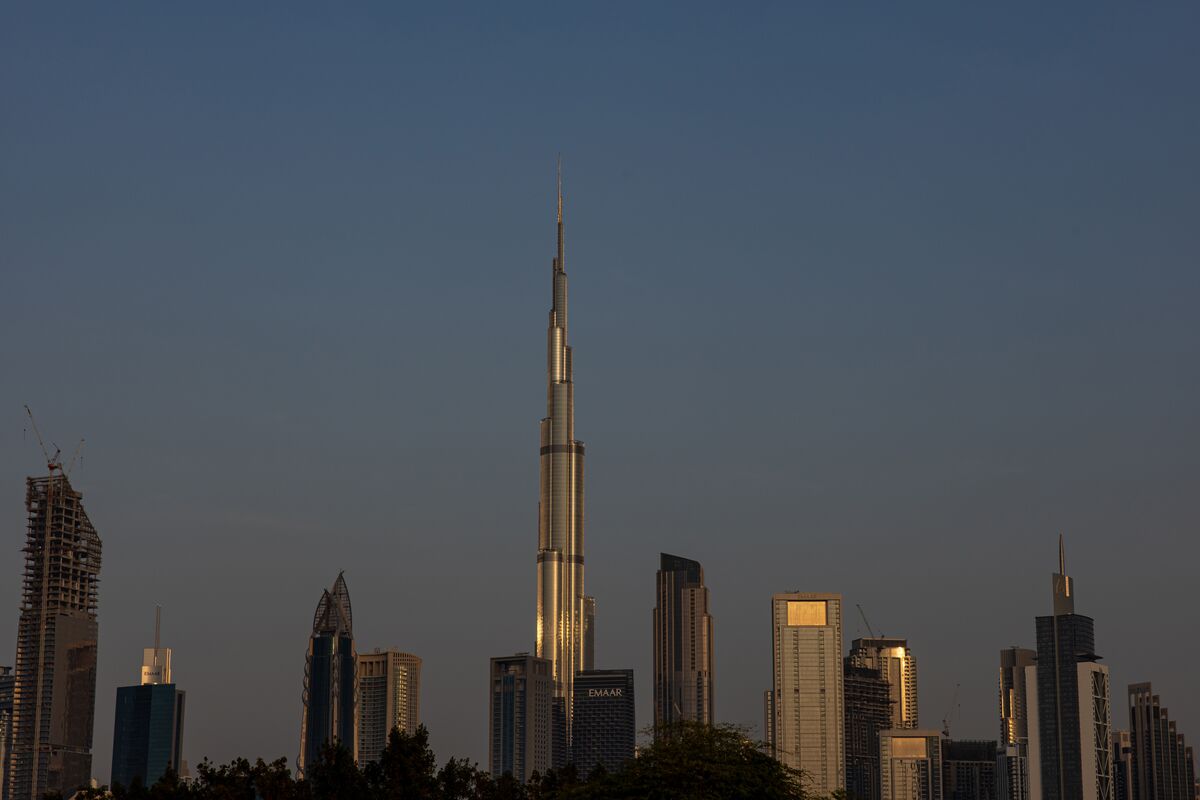

UAE’s Stunning Exit from OPEC Sends Shockwaves Through Global Oil Markets
By [Your Name], International Energy Correspondent
DUBAI, United Arab Emirates – In a move that has sent tremors through the global energy landscape, the United Arab Emirates (UAE) has abruptly announced its withdrawal from the Organization of the Petroleum Exporting Countries (OPEC), ending a 60-year alliance that once shaped the world’s oil economy. The decision, which blindsided fellow members and industry analysts alike, raises profound questions about the future of the cartel at a time when geopolitical tensions, climate pressures, and shifting energy demands are redrawing the rules of the game.
The UAE’s departure—effective immediately—marks one of the most significant ruptures in OPEC’s 63-year history, leaving the group without one of its most influential producers. With the Emirates pumping over 3 million barrels per day (bpd), its exit deals a blow to OPEC’s collective market influence just as the alliance struggles to maintain cohesion amid rising competition from U.S. shale, renewable energy expansion, and internal disagreements over production quotas.
A Sudden Move with Deep Implications
The UAE’s Ministry of Energy confirmed the decision in a tersely worded statement, citing the need for “strategic autonomy” in its energy policy. While officials stopped short of detailing specific grievances, industry insiders point to long-simmering tensions over production limits, revenue-sharing, and the UAE’s ambitious plans to ramp up output capacity to 5 million bpd by 2027—a target that clashed with OPEC’s restrictive quotas.
“This isn’t just about oil quotas—it’s about sovereignty,” said a senior Gulf analyst speaking on condition of anonymity. “The UAE sees itself as a forward-looking energy leader, not just an oil supplier. OPEC’s rigid structure no longer aligns with its vision.”
The timing of the exit is particularly striking. OPEC+, the expanded alliance including Russia, had only weeks earlier agreed to extend production cuts to stabilize prices amid lackluster global demand. The UAE’s abrupt withdrawal now threatens to undermine that fragile consensus, potentially triggering a free-for-all among producers scrambling to fill the gap.
OPEC’s Existential Crisis
Founded in 1960 to counter Western oil dominance, OPEC once wielded unparalleled power, famously flexing its muscles during the 1973 oil embargo. But in recent years, its influence has waned. The rise of U.S. shale turned America into the world’s top producer, while climate policies have accelerated the shift toward renewables. Internal divisions have also eroded unity, with members like Iran and Venezuela sidelined by sanctions and others, like the UAE and Saudi Arabia, increasingly pursuing independent economic agendas.
“The UAE’s exit is a symptom of OPEC’s deeper struggle to stay relevant,” said Dr. Leila Benali, an energy economist at the Oxford Institute for Energy Studies. “The old model of collective decision-making is cracking under the weight of national interests and energy transition pressures.”
Saudi Arabia, OPEC’s de facto leader, now faces a critical test. Riyadh had relied on Abu Dhabi as a key ally in managing output levels, and the loss of its Gulf partner could weaken its ability to steer the group. Analysts warn that if other members follow the UAE’s lead—Angola and Nigeria have previously grumbled about quotas—OPEC’s cohesion could unravel entirely.
The UAE’s Bold Energy Gambit
For the UAE, the decision reflects a calculated bet on its long-term economic future. Unlike some OPEC peers, the Emirates has aggressively diversified its economy, with oil now accounting for just 30% of GDP. Abu Dhabi’s sovereign wealth fund has plowed billions into tech, tourism, and renewable energy, including the Barakah nuclear plant and the Mohammed bin Rashid Al Maktoum Solar Park, one of the world’s largest.
At the same time, state oil giant ADNOC has invested heavily in boosting production capacity, aiming to capitalize on demand from Asian markets even as Western economies decarbonize. “The UAE is positioning itself as a global energy hub, not just an oil supplier,” said Robin Mills, CEO of Qamar Energy. “Leaving OPEC gives it the flexibility to chase higher revenues while pivoting to hydrogen and renewables.”
Market Reactions and Global Fallout
Oil prices swung wildly following the announcement, with Brent crude initially dipping 2% before paring losses. Traders remain divided on the long-term impact: some fear a price war if the UAE floods the market, while others argue OPEC+ will tighten supply to compensate.
The geopolitical ramifications are equally uncertain. The UAE’s move could strain ties with Saudi Arabia, already tested by disagreements over Yemen and regional diplomacy. Meanwhile, Washington—traditionally wary of OPEC’s influence—may see an opportunity to deepen energy ties with Abu Dhabi as it seeks alternatives to Russian supplies.
What Comes Next?
In the short term, OPEC must reassure markets that it can maintain stability without the UAE. An emergency meeting is expected in the coming weeks, though few expect a reconciliation. For the Emirates, the focus will be on securing new buyers, particularly in India and China, while fast-tracking its energy transition plans.
“The UAE isn’t leaving oil behind—it’s leaving OPEC behind,” said Ellen Wald, author of Saudi, Inc. “This is a bold statement that the future belongs to those who adapt, not those who cling to the past.”
As the dust settles, one thing is clear: the global oil order is entering uncharted territory. Whether OPEC can survive this shock may depend on how quickly it accepts that the rules of the game have changed.
