


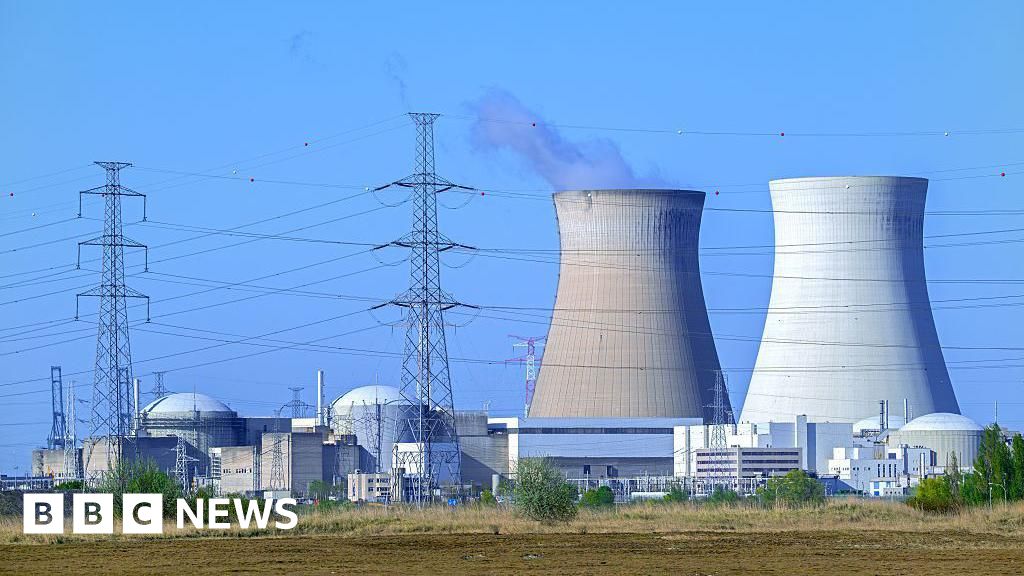

Belgium Takes Bold Step to Secure Energy Future Amid Global Uncertainty
The world is grappling with an unprecedented energy crisis, fueled by geopolitical tensions, climate change, and the lingering effects of the COVID-19 pandemic. In this volatile landscape, Belgium has emerged as a proactive player, announcing a groundbreaking initiative to secure its energy future. This move is not just a national policy shift but a signal to the global community about the urgent need for energy resilience and sustainability.
Belgium’s Energy Strategy: A Holistic Approach
The Belgian government unveiled a comprehensive plan aimed at ensuring long-term energy security while addressing climate objectives and fostering economic resilience. According to an official statement, the initiative seeks to create a financially viable energy sector that supports supply security, industrial resilience, and socio-economic prosperity. This strategy underscores Belgium’s commitment to balancing immediate energy needs with long-term sustainability goals.
The plan involves significant investments in renewable energy sources, modernizing infrastructure, and enhancing collaboration with European partners. By prioritizing energy independence, Belgium aims to reduce its reliance on external suppliers, a vulnerability starkly highlighted by the Russia-Ukraine conflict and its ripple effects on global energy markets.
Global Context: Energy Crisis and Climate Imperatives
Belgium’s announcement comes at a critical juncture. The ongoing Russia-Ukraine war has disrupted energy supplies across Europe, leading to skyrocketing prices and fears of winter shortages. Countries worldwide are reevaluating their energy strategies, with many accelerating transitions to renewable energy and nuclear power. Simultaneously, the escalating climate crisis demands urgent action to curb greenhouse gas emissions, making energy policy a dual-edged sword of security and sustainability.
The International Energy Agency (IEA) has repeatedly warned that global energy markets remain fragile, with geopolitical instability and extreme weather events compounding existing challenges. Belgium’s initiative aligns with the European Union’s broader Green Deal, which seeks to make Europe the first climate-neutral continent by 2050. However, the path to achieving these goals is fraught with complexities, including technological hurdles, funding gaps, and political resistance.
Why Belgium’s Move Matters Globally
Belgium’s energy strategy is not just a domestic policy shift; it has far-reaching implications for global energy security and climate action. As a member of the European Union, Belgium’s commitment to renewable energy and industrial resilience strengthens regional efforts to reduce dependence on fossil fuels. This, in turn, contributes to global decarbonization efforts, reducing the collective carbon footprint and mitigating climate change.
Moreover, Belgium’s approach serves as a model for other nations navigating the energy transition. By demonstrating that economic prosperity and environmental sustainability are not mutually exclusive, Belgium offers a blueprint for balancing immediate energy needs with long-term climate goals. This is particularly relevant for developing countries, where energy access remains a pressing issue, and for developed nations grappling with aging infrastructure and political inertia.
Challenges and Opportunities Ahead
While Belgium’s plan is ambitious, its implementation will not be without challenges. Transitioning to renewable energy requires significant investment, technological innovation, and public support. Belgium must also navigate complex regulatory frameworks, both domestically and at the EU level, to ensure the smooth execution of its strategy.
However, the opportunities outweigh the obstacles. By investing in renewable energy and modern infrastructure, Belgium can position itself as a leader in the green economy, attracting investment and fostering innovation. The initiative also has the potential to create thousands of jobs, boosting socio-economic prosperity and addressing inequalities exacerbated by the energy crisis.
A Global Call to Action
Belgium’s energy strategy is a timely reminder of the interconnectedness of energy security, climate action, and economic resilience. As nations grapple with the dual challenges of energy insecurity and climate change, Belgium’s proactive approach offers valuable lessons for the global community.
In a world increasingly defined by uncertainty, the need for bold, forward-thinking policies has never been greater. Belgium’s initiative is not just about securing its future; it’s about contributing to a more sustainable and resilient world. As the energy crisis continues to unfold, the international community must heed Belgium’s example and prioritize collaborative, innovative solutions to safeguard the planet and its people.
Conclusion
Belgium’s bold step toward energy security and sustainability is a beacon of hope in turbulent times. By prioritizing renewable energy and industrial resilience, the country is not only safeguarding its future but also setting a precedent for global action. As the world faces the intertwined challenges of energy insecurity and climate change, Belgium’s initiative underscores the urgent need for collective, proactive measures. The road ahead is complex, but with determination and innovation, a sustainable and secure energy future is within reach.
