


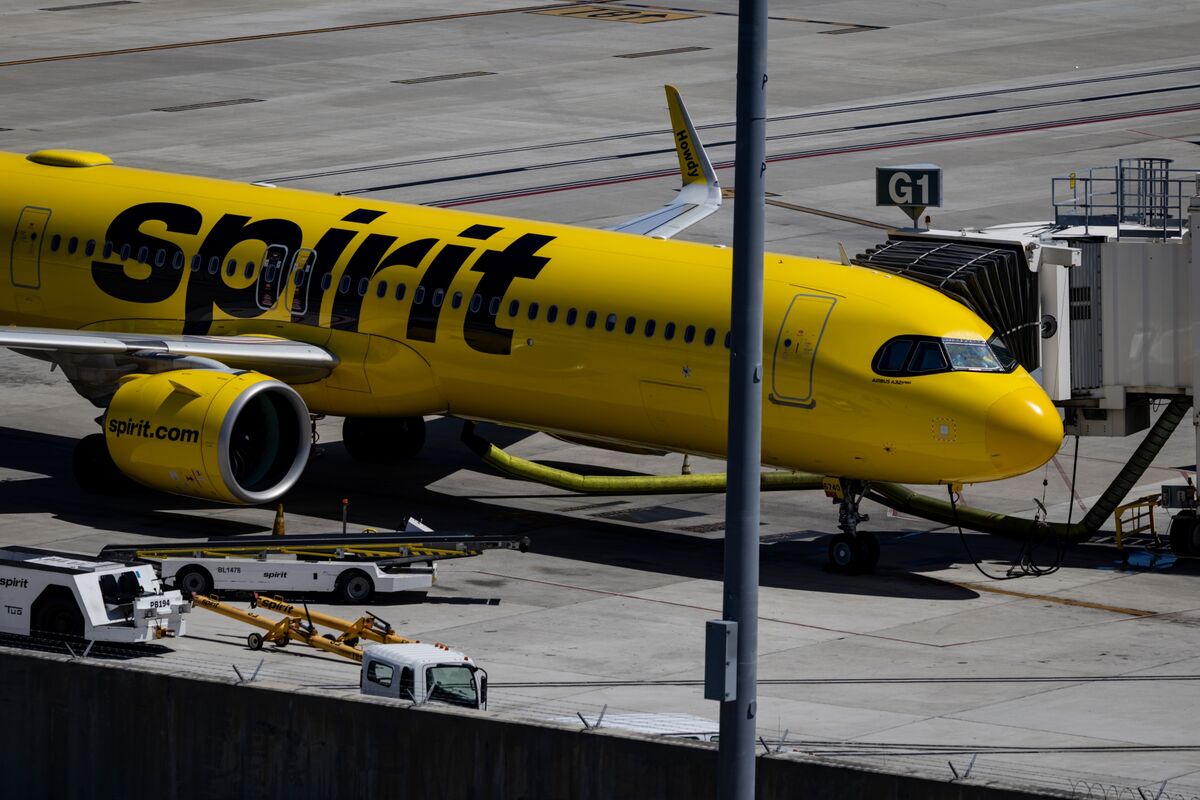

Spirit Airlines Announces Orderly Wind-Down of Operations Amid Financial Struggles
By [Your Name]
In a significant blow to the aviation industry, Spirit Airlines Holdings Inc., once a pioneer in low-cost air travel, announced Saturday that it has initiated an orderly wind-down of its operations. The decision marks the end of a tumultuous chapter for the U.S.-based discount carrier, which has grappled with mounting financial challenges, operational setbacks, and fierce competition in recent years. The announcement, made via a press release, has sent ripples through the travel sector, raising concerns about the broader implications for both passengers and the airline industry.
Spirit Airlines, founded in 1983, built its reputation on offering ultra-low fares, famously billing itself as the “ultra-low-cost carrier” (ULCC). By stripping out traditional amenities and charging for extras like baggage and seat selection, the airline carved out a niche in an industry dominated by legacy carriers. However, its business model, reliant on high passenger volumes and razor-thin margins, proved vulnerable to external shocks and shifting market dynamics.
Financial Turmoil and Operational Challenges
The airline’s troubles have been brewing for years but intensified following the COVID-19 pandemic, which decimated air travel demand globally. Despite a partial recovery in 2021 and 2022, Spirit struggled to regain its footing. Rising fuel costs, inflationary pressures, and labor disputes further strained its finances. The company’s woes were compounded by a series of operational mishaps, including flight cancellations and delays, which tarnished its reputation and alienated customers.
Last year, Spirit sought a lifeline through a proposed merger with JetBlue Airways, a deal that promised to bolster its competitive position and financial stability. However, the merger faced fierce regulatory scrutiny. In January 2024, a federal judge blocked the $3.8 billion deal, citing antitrust concerns and the potential for reduced competition in the airline industry. The ruling dealt a devastating blow to Spirit, leaving it with few options to navigate its mounting debt and operational inefficiencies.
The Decision to Wind Down
In its statement, Spirit Airlines emphasized that the wind-down process would be conducted in an “orderly” manner, prioritizing the interests of its employees, customers, and creditors. The airline has yet to disclose a specific timeline for the cessation of operations but has assured ticket holders that it will honor existing bookings and refunds where applicable.
The announcement has left thousands of employees facing an uncertain future. Spirit employs approximately 10,000 people across its operations, including flight crews, ground staff, and administrative personnel. Unions representing Spirit workers have called for immediate government intervention to support affected employees and mitigate the impact of the airline’s collapse.
Industry Implications and Broader Context
Spirit’s demise underscores the precarious nature of the ultra-low-cost carrier model in an increasingly volatile aviation landscape. While discount airlines like Spirit have historically thrived by offering budget-friendly fares, they have often struggled to sustain profitability amid rising operational costs and intense competition. The collapse of Spirit Airlines also raises questions about the future of low-cost travel in the U.S., particularly for price-sensitive consumers who rely on such carriers for affordable airfare.
The airline’s wind-down could also have ripple effects on the broader aviation ecosystem. Airports heavily reliant on Spirit’s services may face revenue shortfalls, while competitors could see a surge in demand as travelers seek alternative options. Analysts warn that reduced competition in certain markets could lead to higher fares, further squeezing consumers already grappling with inflationary pressures.
Historical Context and Market Dynamics
Spirit Airlines’ rise and fall mirror broader trends in the aviation industry over the past four decades. The airline’s low-cost model, inspired by the success of carriers like Southwest Airlines and Ryanair, revolutionized air travel by making it accessible to a wider demographic. However, the strategy came with inherent risks. Unlike legacy carriers, which benefit from diversified revenue streams and loyal customer bases, ULCCs like Spirit depend heavily on volume and operational efficiency.
In recent years, the industry has witnessed a wave of consolidation, driven by the need for scale and financial resilience. Major carriers such as American Airlines, Delta Air Lines, and United Airlines have expanded their fleets and route networks through acquisitions and partnerships. Against this backdrop, smaller airlines like Spirit have found it increasingly difficult to compete, particularly as consumer preferences shift toward reliability and comfort over rock-bottom prices.
What Lies Ahead
As Spirit Airlines begins the process of winding down its operations, attention now turns to the broader implications for the aviation sector. Industry experts predict that the airline’s exit could accelerate consolidation efforts, with rivals vying to fill the void left by Spirit’s departure. Some speculate that JetBlue, despite its failed merger attempt, may seek to acquire Spirit’s assets, including its fleet of aircraft and coveted airport slots.
For passengers, the immediate concern is the potential disruption to travel plans. While Spirit has pledged to minimize inconvenience, travelers are advised to monitor the situation closely and consider alternative arrangements where necessary.
The collapse of Spirit Airlines serves as a stark reminder of the fragility of the aviation industry, even as it rebounds from the unprecedented challenges of the pandemic. While the airline’s ultra-low-cost model may have reshaped air travel for a generation, its demise highlights the need for sustainable business practices and adaptability in an ever-evolving market. As the dust settles, the industry will undoubtedly reflect on the lessons learned from Spirit’s rise and fall.
Closing Note
Spirit Airlines’ decision to wind down operations marks the end of an era in U.S. aviation, leaving behind a legacy of innovation and controversy. While its departure will undoubtedly reshape the competitive landscape, it also underscores the importance of resilience and agility in an industry that remains as unpredictable as ever. As stakeholders brace for the fallout, one thing is clear: the skies will never be quite the same without Spirit.
