



Wall Street Regulator Considers Overhaul of Key Weekly Report Amid Shifts in Derivatives Market Landscape
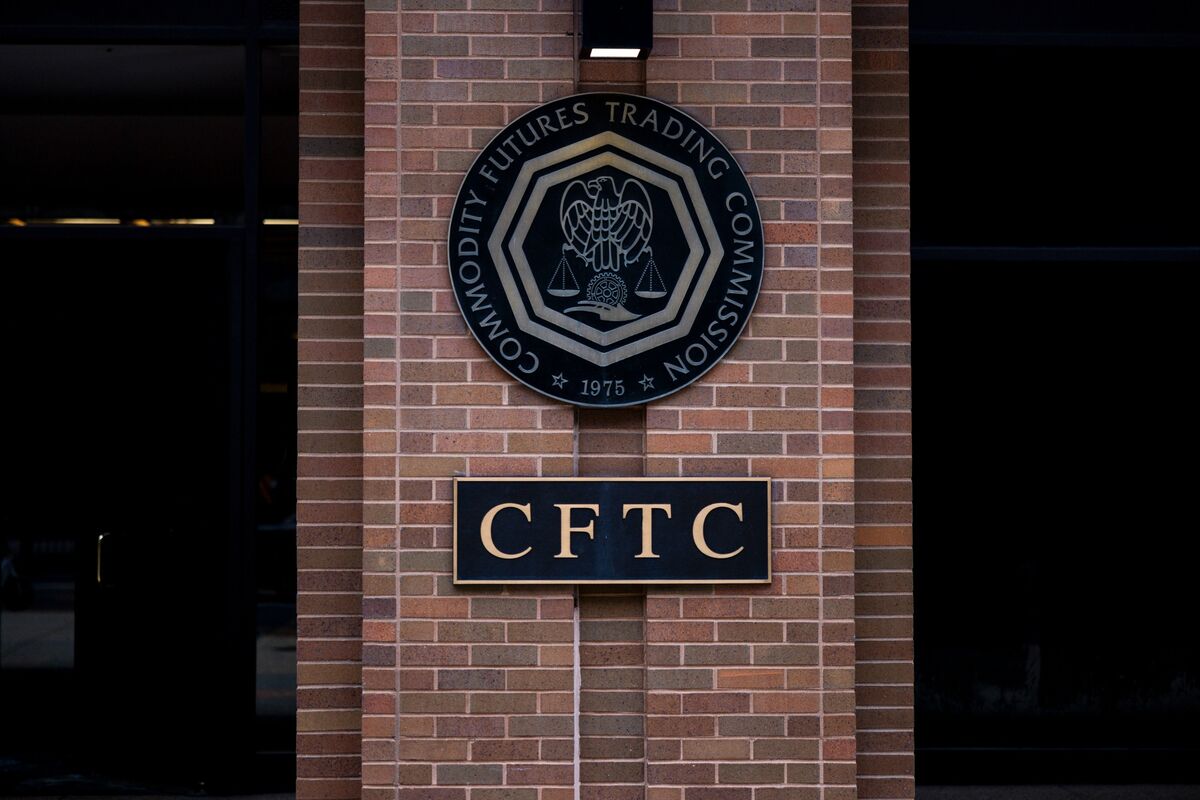
In a move that could reshape how investors and regulators track global financial markets, the U.S. Commodity Futures Trading Commission (CFTC) is reportedly considering significant changes to its weekly Commitments of Traders (COT) report. The COT report, a cornerstone of market transparency for decades, provides a detailed snapshot of speculative and hedging positions taken by traders across futures and options markets. The potential overhaul comes at a pivotal moment as prediction market exchanges and offshore trading venues increasingly offer innovative derivatives contracts, particularly in commodities—one of the oldest segments of the financial markets.
This development underscores the challenges faced by regulators in maintaining market oversight amid rapid technological advancements and evolving trading practices. Industry experts warn that the CFTC’s adjustments must strike a delicate balance between enhancing transparency and adapting to the complexities of modern markets without stifling innovation.
The Role of the COT Report
First introduced in the 1960s, the COT report is a critical tool for market participants, analysts, and regulators. Published every Friday, it categorizes traders into three groups: commercial traders (typically hedgers), non-commercial traders (speculators), and non-reportable traders (small traders whose positions fall below reporting thresholds). The report sheds light on sentiment and positioning in markets ranging from agricultural commodities to energy, metals, and financial instruments.
“The COT report has been a vital resource for understanding market dynamics and identifying potential risks,” said Sarah Thompson, a financial analyst at Global Markets Insights. “It provides insights into investor behavior and helps regulators detect anomalies that could signal market manipulation or excessive speculation.”
However, critics argue that the report’s structure and methodology have failed to keep pace with the rapid evolution of derivatives markets. The rise of algorithmic trading, encrypted prediction markets, and offshore platforms offering unregulated contracts has complicated market oversight, leaving gaps in transparency.
Emerging Challenges in Derivatives Markets
The CFTC’s potential reforms coincide with a surge in derivatives trading on alternative platforms. Prediction markets, such as Polymarket and Augur, have gained traction in recent years, allowing users to bet on outcomes ranging from election results to cryptocurrency price movements. These platforms, often operating outside traditional regulatory frameworks, blur the lines between gambling and financial trading, raising concerns about systemic risks.
Additionally, offshore venues in jurisdictions like the Cayman Islands and Bermuda are increasingly offering complex derivatives contracts, drawing participants seeking to bypass U.S. regulations. These trends have amplified calls for updated reporting standards that capture a broader spectrum of market activity.
“The current COT report doesn’t adequately account for the rise of decentralized and offshore trading,” noted Michael Harris, a derivatives strategist at Barclays. “Without significant reforms, regulators risk losing visibility into a growing portion of the global derivatives market.”
Potential Reforms Under Consideration
While the CFTC has yet to publicly detail its proposed changes, sources familiar with the matter suggest that the regulator is exploring several key updates. These include expanding the scope of the report to cover emerging asset classes like cryptocurrencies and carbon credits, enhancing the granularity of trader categorizations, and incorporating data from offshore and decentralized platforms.
Another potential reform involves increasing the frequency of the COT report from weekly to daily, providing market participants with more timely insights. However, such a change would require significant technological upgrades and coordination with exchanges and data providers.
“Daily reporting would be a game-changer for market transparency,” said Emily Carter, a former CFTC official now advising private firms. “But it’s a massive logistical challenge that would require substantial investment and cooperation from industry stakeholders.”
Industry Reactions
The prospect of changes to the COT report has elicited mixed reactions from market participants. While many stakeholders welcome updates to enhance transparency and relevance, others caution against unintended consequences, such as increased compliance costs and potential exposure of proprietary trading strategies.
“Any reforms should be carefully calibrated to avoid compromising the competitive edge of market participants,” said John Reynolds, head of derivatives trading at Goldman Sachs. “The CFTC must engage with industry players to ensure the changes are practical and effective.”
Meanwhile, advocacy groups have urged the regulator to prioritize public interest by ensuring the revised report remains accessible and comprehensible to a wide audience. “The COT report is not just for institutional investors—it’s a critical resource for policymakers, academics, and the general public,” said Laura Klein, executive director of the Financial Transparency Coalition.
Broader Implications for Market Oversight
The CFTC’s deliberations highlight the broader challenges facing financial regulators in an era of rapid technological innovation. As decentralized finance (DeFi) and digital assets reshape the financial landscape, regulators are grappling with the need to modernize oversight frameworks while safeguarding market integrity.
The potential overhaul of the COT report also reflects growing recognition of the interconnectedness of global markets. In an increasingly borderless financial system, regulators must collaborate across jurisdictions to address risks posed by unregulated platforms and ensure a level playing field for all participants.
“The CFTC’s initiative is a step in the right direction, but it’s just one piece of the puzzle,” said David Smith, a professor of finance at Harvard University. “Comprehensive market oversight in the 21st century requires a holistic approach that integrates data from diverse sources and leverages advanced analytics.”
Conclusion
As the CFTC weighs reforms to its Commitments of Traders report, the stakes are high for regulators, market participants, and the broader financial system. The proposed changes represent an opportunity to enhance transparency and adapt to the evolving dynamics of derivatives markets. However, crafting a modernized framework that balances innovation, practicality, and public interest will require careful deliberation and collaboration.
In the words of one industry insider, “The COT report has long been a window into market behavior. Its future will depend on how effectively it can evolve alongside the markets it seeks to illuminate.”
