



Holyrood Election Campaign: Key Takeaways and What Lies Ahead
The Holyrood election campaign has drawn to a close, leaving voters with a clearer picture of Scotland’s political landscape. From heated debates over independence to post-pandemic recovery plans, the race has shaped up to be one of the most consequential in recent history. Here’s what we’ve learned—and what it means for Scotland’s future.
Independence Remains the Dominant Issue
The question of Scottish independence has overshadowed nearly every policy discussion. The Scottish National Party (SNP), led by First Minister Nicola Sturgeon, has framed the election as a de facto referendum on leaving the UK. Sturgeon’s argument hinges on securing a fresh independence vote if pro-independence parties win a majority.
Opposition leaders, including Scottish Conservative leader Douglas Ross and Labour’s Anas Sarwar, have pushed back, focusing instead on economic recovery and public services. The debate has polarized voters, with polls suggesting a near-even split between those for and against independence.
Post-Pandemic Recovery Takes Center Stage
Beyond constitutional questions, parties have clashed over how to rebuild Scotland’s economy and health services after COVID-19. The SNP has pledged increased NHS funding and a national care service, while the Conservatives have criticized the government’s handling of education gaps and hospital backlogs.
Labour, meanwhile, has positioned itself as the party of “real change,” emphasizing job creation and affordable housing. The Greens have pushed for a green economic transition, calling for massive investments in renewable energy. These policy differences highlight the stark choices facing voters.
A Shift in Political Tactics
This campaign has seen a noticeable shift in strategy. The SNP has relied heavily on Sturgeon’s personal approval ratings, while opposition parties have sought to localize their messaging, targeting SNP weaknesses in education and transport. The Alba Party, led by former First Minister Alex Salmond, has struggled to gain traction, further consolidating the SNP’s dominance among pro-independence voters.
What Comes Next?
The election’s outcome will determine whether Scotland moves closer to a second independence referendum—a move that could trigger a constitutional showdown with Westminster. If pro-independence parties secure a majority, pressure will mount on UK Prime Minister Rishi Sunak to either negotiate or block another vote.
Domestically, the next Scottish government will face immediate challenges: reducing NHS wait times, addressing the cost-of-living crisis, and delivering on climate pledges. The campaign has set the stage for a defining political era—one that could reshape Scotland’s future for decades to come.
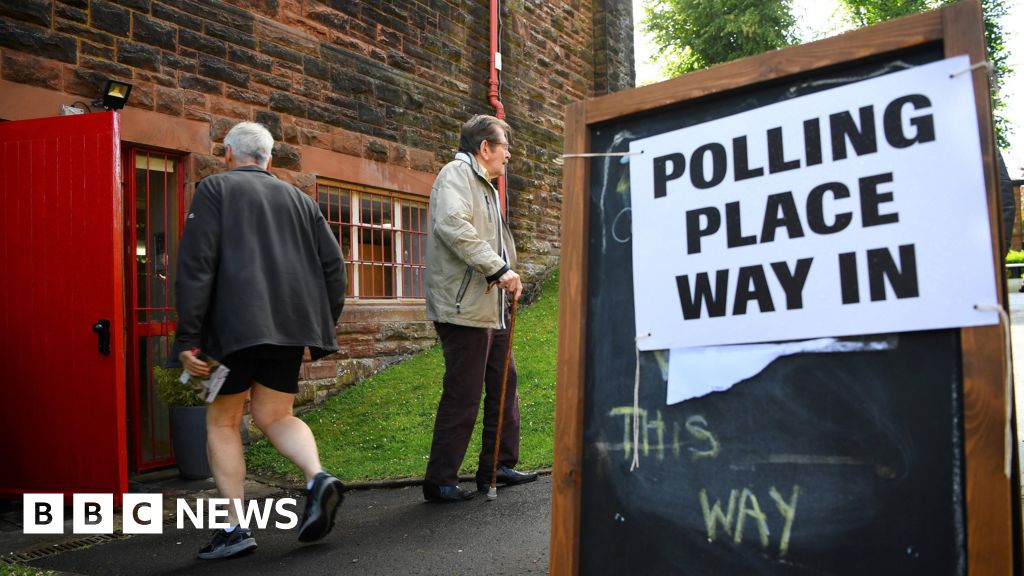
As voters head to the polls, the stakes have never been higher. The results won’t just decide who governs Holyrood—they could redefine Scotland’s place in the UK and the world.
