


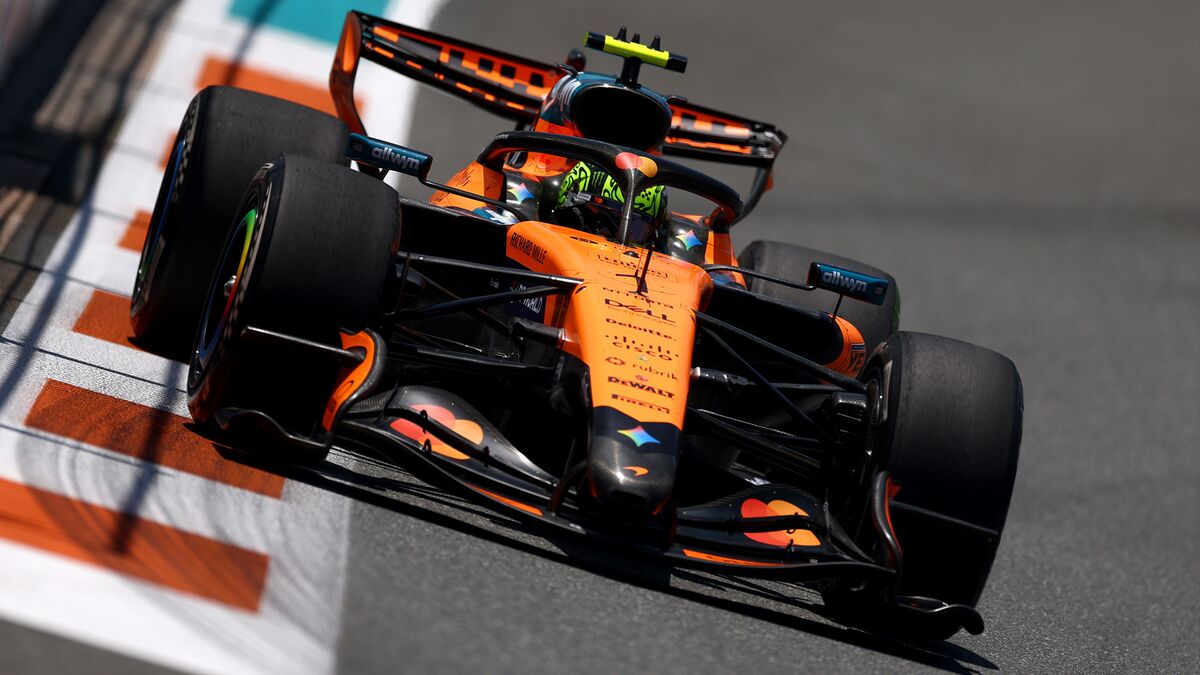

Formula One Makes a High-Octane Return to Miami Amid Global Racing Excitement
This weekend, the sun-soaked streets of Miami transform into a pulsating hub of speed, glamour, and engineering brilliance as Formula One returns to the city for its fourth leg in the 2023 World Championship. The Miami Grand Prix, set against the backdrop of South Florida’s vibrant culture, promises to deliver another chapter in the F1 saga, blending high-stakes competition with the spectacle of modern motorsport. As drivers and teams prepare to navigate the challenging Miami International Autodrome, the race has become a focal point not only for motorsport enthusiasts but also for a global audience captivated by the sport’s resurgence in popularity.
The Miami GP, now in its second year, has quickly cemented itself as a standout event on the F1 calendar. The race, hosted at the Hard Rock Stadium complex in Miami Gardens, features a 5.41-kilometer circuit with 19 turns, designed to test the skill and precision of drivers while offering fans breathtaking views of overtaking opportunities and high-speed straights. Unlike traditional street circuits, the Miami track combines the urban flair of a city race with the technical demands of a purpose-built venue, creating a unique challenge for teams. Last year’s inaugural event saw Red Bull’s Max Verstappen emerge victorious, narrowly beating Ferrari’s Charles Leclerc in a thrilling contest. This year, all eyes are on whether Verstappen can defend his title or if rivals like Leclerc, Lewis Hamilton, or Fernando Alonso can disrupt Red Bull’s dominance.
A Sport on the Rise
Formula One’s return to Miami underscores the sport’s remarkable surge in global popularity, fueled in part by the success of Netflix’s Drive to Survive documentary series. The show, which provides behind-the-scenes access to teams, drivers, and the high-pressure world of F1, has introduced the sport to a new generation of fans, particularly in the United States—a market historically dominated by NASCAR and IndyCar. This newfound interest has led to the creation of new races in the U.S., including the Miami GP and the upcoming Las Vegas Grand Prix in November.
The Miami event also highlights F1’s strategic focus on expanding its footprint in North America. With three U.S. races now on the calendar—Miami, Las Vegas, and the established Circuit of the Americas in Austin, Texas—the sport is capitalizing on the region’s growing appetite for motorsport. This expansion aligns with F1’s broader mission to diversify its audience and tap into lucrative markets, while also addressing sustainability concerns through initiatives like the development of carbon-neutral fuels and hybrid power units.
The Miami Experience: More Than Just a Race
Beyond the on-track action, the Miami Grand Prix is a celebration of lifestyle and culture, reflecting the city’s reputation as a global hotspot for entertainment, luxury, and innovation. The event attracts a star-studded crowd, with celebrities, business leaders, and social influencers converging to witness the spectacle. From exclusive parties to high-end hospitality experiences, the Miami GP has become a must-attend event for the world’s elite.
The race weekend also features a series of off-track activities designed to engage fans and showcase the intersection of motorsport and technology. Exhibitions highlighting F1’s cutting-edge engineering, interactive fan zones, and immersive virtual reality experiences offer attendees a deeper connection to the sport. For local residents, the event serves as an economic boon, generating millions of dollars in tourism revenue and boosting Miami’s profile as a destination for international events.
Championship Battles Heat Up
On the competitive front, the Miami GP arrives at a critical juncture in the 2023 season. Red Bull Racing, led by Verstappen and Sergio Pérez, has dominated the early races, securing victories in Bahrain, Saudi Arabia, and Australia. However, the team’s supremacy faces mounting pressure from rivals like Ferrari, Mercedes, and Aston Martin, all of whom have shown flashes of potential this season.
Verstappen, the reigning world champion, enters Miami as the favorite, but Pérez’s strong performances have reignited speculation about internal competition within Red Bull. Meanwhile, Ferrari’s Leclerc remains determined to close the gap, while Mercedes’ Hamilton and George Russell continue to refine their car’s performance. Aston Martin’s Fernando Alonso, a veteran of the sport, has emerged as a dark horse, consistently finishing on the podium and proving that age is no barrier to success in F1.
The Miami circuit’s tight corners and abrasive surface will test tire management and aerodynamic efficiency, factors that could shake up the usual order. With overtaking opportunities likely to play a decisive role, the race promises unpredictability and excitement.
Challenges and Controversies
Despite the excitement surrounding the Miami GP, the event is not without its challenges. Environmental concerns, particularly regarding the carbon footprint of transporting teams and equipment across the globe, remain a contentious issue. F1’s commitment to achieving carbon neutrality by 2030 has drawn both praise and skepticism, with critics urging the sport to accelerate its efforts to reduce emissions.
Additionally, the Miami race has faced criticism from some local residents, who argue that the event disrupts daily life and exacerbates traffic congestion. Organizers have sought to address these concerns by implementing measures to minimize disruption and enhance community engagement, but the debate underscores the complexities of hosting major sporting events in urban areas.
A Global Audience Tuned In
As the Miami Grand Prix unfolds, millions of fans worldwide will tune in to witness the drama unfold. Broadcasters like Sky Sports, ESPN, and Formula One’s own streaming service will provide comprehensive coverage, offering insights into strategy, driver performance, and the technical intricacies of the cars. The race’s prime-time schedule in Europe and Asia ensures that it reaches a diverse audience, further solidifying F1’s status as a truly global sport.
Looking Ahead
The Miami GP represents more than just a race; it is a testament to Formula One’s evolution and its ability to captivate audiences across continents. As the sport continues to innovate and expand, events like Miami serve as a reminder of the enduring allure of speed, competition, and human ingenuity. Whether Verstappen extends his lead, a challenger rises to the occasion, or an underdog steals the spotlight, one thing is certain: the Miami Grand Prix will deliver unforgettable moments that resonate far beyond the checkered flag.
As the engines roar and the world watches, Miami’s streets will once again echo with the sound of racing history in the making—a testament to Formula One’s ability to unite passion, precision, and spectacle on a global stage.
