


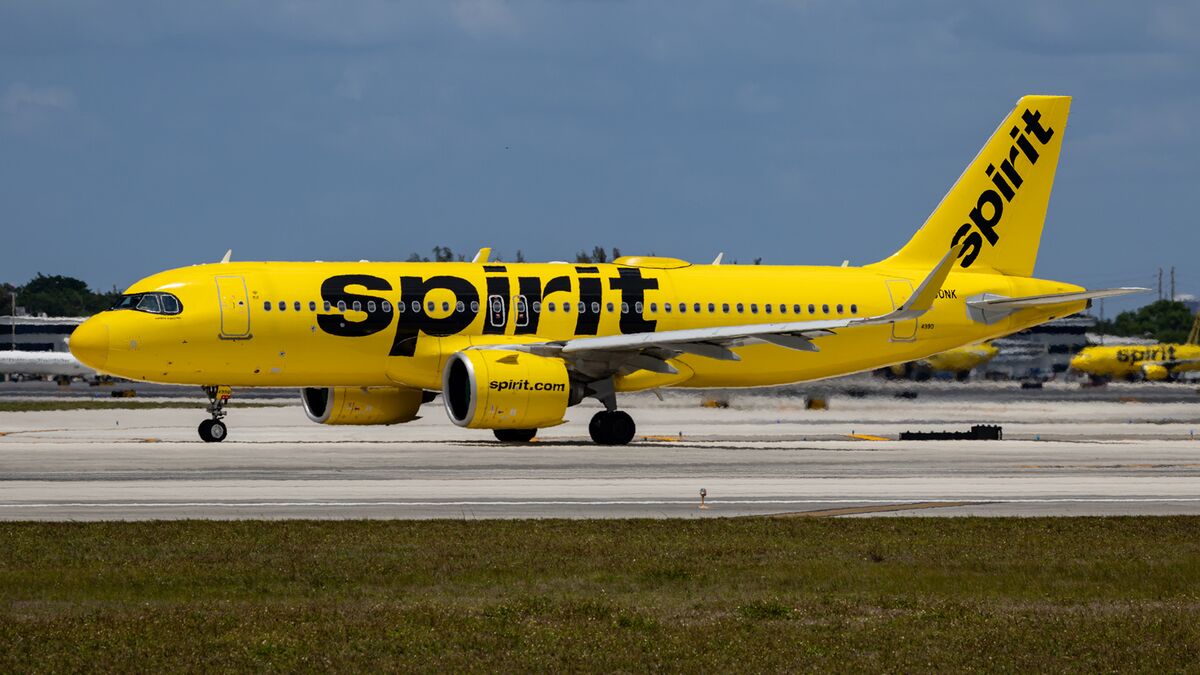

Spirit Airlines Shuts Down Operations Amid Fuel Crisis and Failed Bailout Negotiations
Budget Carrier Collapse Marks Turbulent Chapter for U.S. Aviation Industry
In a stunning blow to the U.S. aviation sector, Spirit Airlines—once a thriving ultra-low-cost carrier—has announced it is winding down operations after succumbing to skyrocketing fuel costs and a failed government bailout. The abrupt collapse leaves thousands of employees jobless and disrupts budget travel options for millions of passengers, underscoring the fragile state of airlines grappling with post-pandemic financial instability.
The Florida-based airline, known for its no-frills approach and rock-bottom fares, had been struggling for months before its final descent into insolvency. Industry analysts point to a perfect storm of economic pressures: volatile fuel prices, lingering debt from pandemic-era losses, and ultimately, the breakdown of critical rescue talks with the federal government. The shutdown marks one of the most significant airline failures in recent years, raising concerns about the viability of budget carriers in an increasingly turbulent market.
The Final Nail in the Coffin: Failed Bailout and Spiraling Costs
Spirit’s downfall was accelerated when negotiations for a federal relief package collapsed last week. The airline had been in talks with the White House and Treasury Department over a potential lifeline, but disagreements over terms—including repayment conditions and equity stakes—left the deal grounded.
“The window for a rescue closed faster than anyone anticipated,” said George Ferguson, Senior Aerospace and Defense Analyst at Bloomberg Intelligence. “Spirit was already on thin ice with its razor-thin margins, and without government intervention, there was simply no way forward.”
Fuel expenses, which surged by more than 40% this year due to geopolitical tensions and supply chain disruptions, proved insurmountable. Unlike larger competitors with hedging strategies to mitigate price spikes, Spirit lacked the financial flexibility to absorb the shock. Compounding the crisis were rising labor costs and operational inefficiencies, which further eroded profitability.
Passengers and Employees Left in Limbo
The immediate fallout from Spirit’s shutdown is chaos for travelers. Thousands of flights have been canceled, leaving passengers scrambling for alternatives. Rival airlines, including Frontier and Southwest, have announced limited accommodations for stranded Spirit customers, though rebooking options remain scarce amid peak travel season.
For employees, the news is even more devastating. Nearly 10,000 workers—from pilots to baggage handlers—now face unemployment with little warning. Unions representing Spirit staff have called for emergency assistance, urging Congress to fast-track unemployment benefits and job placement programs.
“This isn’t just a corporate failure—it’s a human tragedy,” said Sara Nelson, president of the Association of Flight Attendants. “These workers kept the airline running through the pandemic, and now they’re being abandoned.”
A Warning Sign for the Budget Airline Model?
Spirit’s collapse raises broader questions about the sustainability of ultra-low-cost carriers (ULCCs) in today’s economic climate. The airline’s business model relied on packing planes to capacity while charging extra for everything from carry-on bags to seat selection. While profitable in stable times, the strategy left little room for error when external shocks hit.
“Discount airlines thrive when fuel is cheap and demand is high,” said aviation consultant Robert Mann. “But in an era of inflation and economic uncertainty, their margins get squeezed to the breaking point.”
Other budget carriers, including Frontier and Allegiant, have so far weathered the storm, but analysts warn they could face similar pressures if fuel prices remain elevated. Meanwhile, legacy airlines like Delta and American may benefit from reduced competition, potentially leading to higher fares in key markets previously dominated by Spirit.
Political Fallout and Industry Implications
The Biden administration has faced criticism for not stepping in sooner, particularly after former President Donald Trump publicly floated the idea of a bailout. White House officials have defended their stance, arguing that taxpayer funds should not prop up failing businesses without strict repayment guarantees.
“The government can’t save every company,” said Jeff Mason, Bloomberg News White House Correspondent. “But the political optics are terrible—another airline collapse on this administration’s watch.”
For the aviation sector, Spirit’s demise serves as a cautionary tale. Airlines must now reassess their financial resilience, hedging strategies, and contingency plans to survive future disruptions. Meanwhile, regulators may face renewed pressure to scrutinize mergers and antitrust concerns as consolidation looms.
Conclusion: The End of an Era for Budget Travel
Spirit Airlines’ abrupt shutdown marks the end of an era for affordable air travel in the U.S. While budget-conscious flyers mourn the loss of cheap fares, industry experts warn that the fallout may ripple across the economy, affecting ticket prices, regional airports, and airline-dependent businesses.
As the dust settles, one thing is clear: in an industry where turbulence is inevitable, only the most adaptable will stay airborne.
