


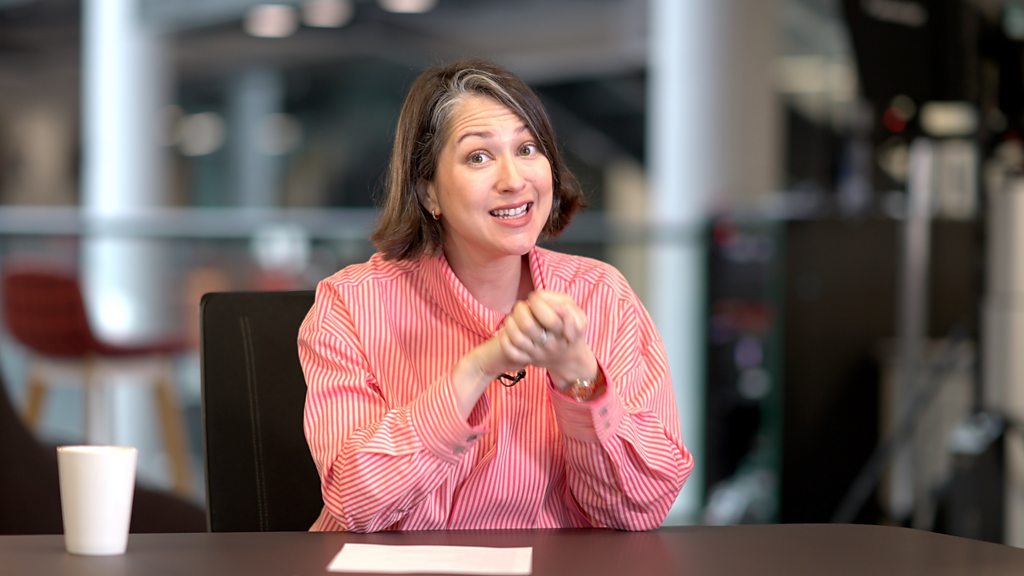

Welsh Constituency Names Pose Pronunciation Challenge in Senedd Election
As Wales prepares for its upcoming Senedd election, voters and political observers face an unexpected hurdle: pronouncing the names of the country’s constituencies—all of which are in Welsh. The linguistic tradition, while celebrating national heritage, has sparked both pride and practical challenges for non-Welsh speakers.
The constituencies, such as Dwyfor Meirionnydd, Ynys Môn, and Ceredigion Preseli, reflect Wales’s commitment to preserving its language. Welsh is spoken by nearly 30% of the population, but fluency varies widely across regions. For many voters, particularly in predominantly English-speaking areas, the names are a tongue-twisting test.
A Cultural Statement or a Barrier?
The decision to use Welsh names exclusively is rooted in the Senedd’s efforts to promote the language. Since devolution in 1999, Wales has increasingly emphasized bilingualism in public life. The move has been praised by language advocates but has also raised questions about accessibility.
“It’s about identity,” said Elin Jones, a language rights activist. “Welsh isn’t just a language; it’s a living part of our history. These names remind us of that.” However, critics argue that the policy could alienate voters unfamiliar with Welsh phonetics, particularly in urban centers like Cardiff and Swansea.
The Pronunciation Puzzle
For non-speakers, Welsh names can be daunting. The language features sounds absent in English, such as the “ll” (a voiceless alveolar lateral fricative) in Llanelli or the “ch” (as in Bach) in Blaenau Gwent. Mispronunciations are common, even among politicians. During the 2021 campaign, several candidates stumbled over constituency names in interviews.
To assist voters, some local councils have released pronunciation guides. Online tools and language apps have also seen a surge in searches for phrases like “how to say Welsh constituency names.” Yet, the learning curve remains steep.
Political Implications
The naming convention could influence voter engagement. Research suggests that unfamiliar language can deter participation, particularly among older or less politically active demographics. “If people feel excluded by the language, they might disengage,” noted Dr. Rhys Morgan, a political scientist at Cardiff University.
However, proponents counter that the policy reinforces democratic inclusivity by affirming Welsh speakers’ rights. The Senedd has long championed bilingualism, with all official documents published in both languages. The constituency names, they argue, are a natural extension of this principle.
Looking Ahead
As Wales navigates the balance between cultural preservation and practical accessibility, the debate over constituency names is unlikely to fade. Future elections may see increased efforts to bridge the gap, such as multilingual voter guides or public awareness campaigns.
For now, the names stand as a testament to Wales’s linguistic heritage—and a challenge for anyone attempting to say Dwyfor Meirionnydd correctly on the first try. Whether this strengthens national identity or complicates democracy remains to be seen. One thing is certain: in Wales, language is never just words.
