



Strait of Hormuz Grinds to a Halt Amid U.S.-Iran Tensions, Raising Global Concerns
In a dramatic escalation of geopolitical tensions, maritime traffic through the Strait of Hormuz—one of the world’s most critical oil shipping routes—has nearly ground to a standstill. The slowdown comes as U.S. President Donald Trump weighs a newly proposed peace deal from Tehran, marking the latest chapter in a decades-long saga of strained relations between the two nations. The Strait, which serves as a lifeline for global energy supplies, sees nearly a fifth of the world’s oil pass through its waters daily. The current disruption has sent shockwaves through international markets, raising fears of economic fallout and reigniting concerns over the stability of the region.
The Strait of Hormuz, a narrow waterway between Oman and Iran, has long been a flashpoint in the Middle East, serving as both a strategic artery for global commerce and a battleground for regional rivalries. Its significance cannot be overstated: over 21 million barrels of oil—representing approximately 21% of global petroleum consumption—are transported through the Strait daily. Any prolonged disruption could have far-reaching consequences, from skyrocketing oil prices to supply chain disruptions across industries heavily reliant on energy.
The current standstill follows a series of escalating tensions between the United States and Iran, which have simmered since the Trump administration withdrew from the 2015 Iran nuclear deal, formally known as the Joint Comprehensive Plan of Action (JCPOA). The deal, brokered under the Obama administration, aimed to curb Iran’s nuclear program in exchange for sanctions relief. However, President Trump’s decision to withdraw in 2018 and reimpose harsh economic sanctions has plunged relations into a deep freeze, with both sides engaging in a war of words and occasional military brinkmanship.
In recent months, the tensions have manifested in a series of provocative actions. Iran has seized foreign oil tankers, accused of violating maritime laws, while the U.S. has increased its military presence in the region, deploying additional troops and naval assets. The downing of a U.S. surveillance drone by Iran in June 2019 brought the two nations to the brink of direct conflict, with President Trump reportedly ordering—and then calling off—a retaliatory strike at the last minute.
Against this backdrop, Tehran’s latest peace proposal represents a tentative olive branch. While details of the proposal remain confidential, sources suggest it includes concessions on Iran’s nuclear program in exchange for the lifting of U.S. sanctions. The offer has reportedly caught the attention of the Trump administration, which is now deliberating its response. However, critics warn that the proposal may be a strategic maneuver to buy time or gain leverage, given Iran’s history of diplomatic ambiguity.
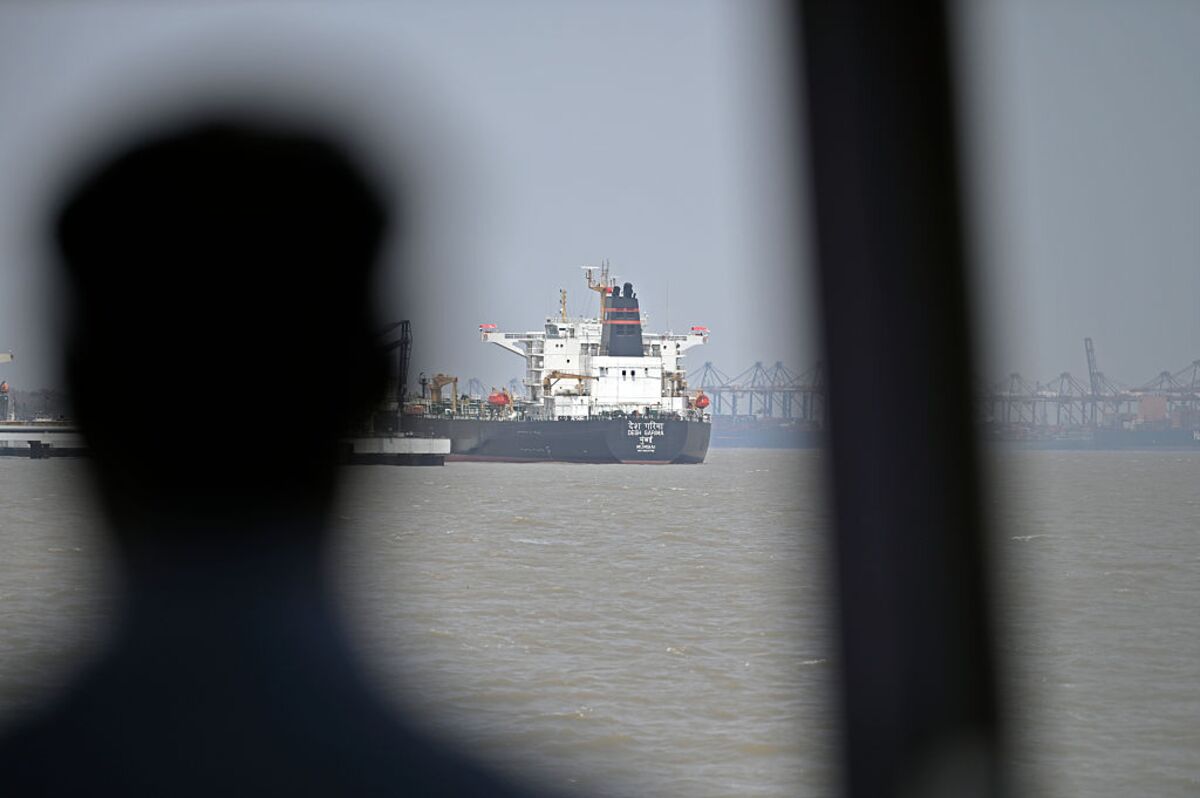
The timing of the slowdown in maritime traffic is particularly concerning. Shipping companies, wary of the heightened risks in the region, have reportedly reduced or paused operations, leaving tankers anchored and cargo delayed. The slowdown has already begun to impact global oil prices, with Brent crude rising by 2% in recent days. Analysts warn that a prolonged disruption could push prices even higher, straining economies still recovering from the COVID-19 pandemic.
The geopolitical ramifications of the situation extend beyond the immediate economic impact. The Strait of Hormuz is a linchpin of global energy security, and its stability is a matter of concern for nations worldwide. Major oil-importing countries, including China, India, and Japan, rely heavily on shipments from the Gulf, and any sustained disruption could force them to seek alternative supplies—a challenging prospect given the current global energy landscape.
The U.S. and its allies have also sounded the alarm, with European leaders urging both sides to de-escalate and resume dialogue. However, the path to diplomacy remains fraught with challenges. Trust between the U.S. and Iran is at a historic low, and both sides face domestic pressures that could complicate negotiations. In Iran, hardliners oppose any concessions to the U.S., while in Washington, critics of the Trump administration argue that its “maximum pressure” campaign has failed to achieve its objectives.
Meanwhile, regional powers are watching the situation closely, with Saudi Arabia and Israel—both staunch opponents of Iran—likely to view any U.S.-Iran rapprochement with skepticism. Saudi Arabia, in particular, has been locked in a proxy conflict with Iran for years, most notably in Yemen, where the two nations support opposing sides in a brutal civil war.
As the world awaits President Trump’s decision on Tehran’s peace proposal, the stakes could not be higher. The Strait of Hormuz remains a powder keg, and any miscalculation by either side could ignite a crisis with global repercussions. While the current slowdown may be a temporary measure, it underscores the fragility of the region and the urgent need for diplomatic solutions.
In the coming days, all eyes will be on Washington and Tehran as they navigate this delicate moment. The international community remains hopeful that dialogue will prevail, but the path forward is uncertain. For now, the Strait of Hormuz stands as a stark reminder of the interconnectedness of global stability—and the perilous consequences of its disruption.
As tensions linger and the world holds its breath, the fate of one of the planet’s most vital waterways hangs in the balance.
