


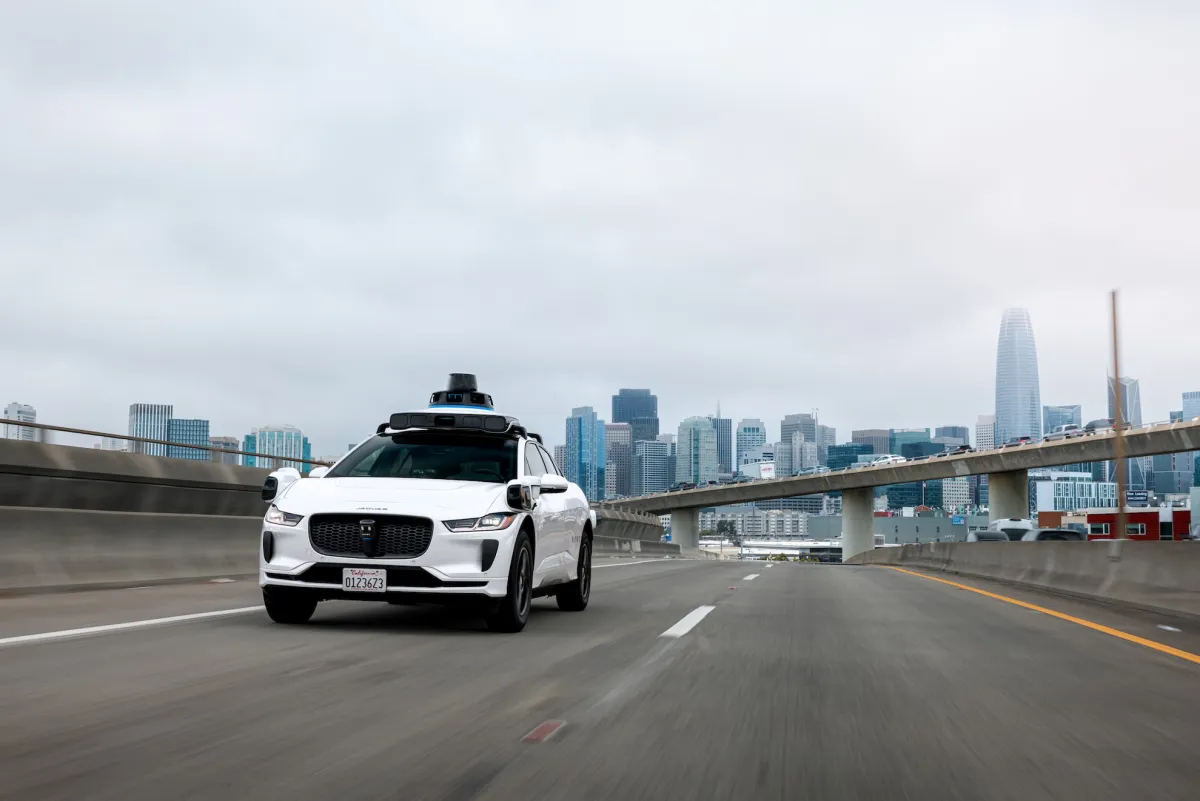

California Introduces Sweeping New Regulations for Autonomous Vehicles, Sparking Industry Debate
In a landmark move that could set the tone for the future of autonomous vehicle (AV) technology globally, California has unveiled expansive new rules governing the testing and deployment of self-driving vehicles on public roads. The regulations, issued by the state’s Department of Motor Vehicles (DMV), span over 100 pages and introduce stricter requirements for data collection, training, and operations. While hailed as a step forward for safety and accountability, the rules have also drawn criticism from industry insiders who describe them as overly burdensome and complex.
California, home to Silicon Valley and a hotbed of AV innovation, has long been at the forefront of autonomous vehicle policy. Companies like Waymo, Cruise, and Zoox have been testing their technologies on the state’s roads for years, often under intense scrutiny from regulators and the public. The new rules, which replace previous guidelines, aim to address growing concerns about safety, transparency, and accountability in a rapidly advancing industry. However, they also highlight the delicate balance between fostering innovation and ensuring public safety—a challenge that policymakers worldwide are grappling with as AV technology evolves.
Key Provisions of the New Rules
The regulations are divided into two main sections: one covering testing requirements and the other focusing on deployment. Among the most notable changes is the introduction of a “Notice of Autonomous Vehicle Noncompliance” system, which allows law enforcement to cite AV manufacturers for traffic violations committed by their vehicles. Unlike traditional tickets, these citations do not carry monetary fines but require companies to report the violation to the DMV within 72 hours. The DMV will use this data to identify recurring issues and take corrective action if necessary.
While some industry experts argue that the focus on actionable data is more valuable than financial penalties, others question why the regulations don’t include both. “The data is important, but fines could serve as an additional deterrent,” said one AV engineer who spoke on condition of anonymity. “It’s unclear why the DMV opted for a softer approach here.”
Another significant shift is the removal of annual “disengagement reports,” which previously detailed instances where human drivers had to take control of autonomous vehicles due to technological failures or safety concerns. Critics had long argued that these reports were misleading because companies used inconsistent metrics, making it difficult to compare performance across the industry. The new rules replace disengagement reports with a requirement to report “dynamic driving task performance relevant system failures,” a term insiders describe as clearer but still imperfect.
The regulations also introduce new requirements for first responder interaction plans, manual override systems, and two-way communication links with response times capped at 30 seconds. Additionally, companies must provide annual updates on their training programs to ensure safe and timely interactions with emergency personnel.
Industry Reactions: Optimism and Pushback
Reactions to the new rules have been mixed. On the positive side, self-driving truck companies are celebrating the DMV’s decision to allow heavy-duty autonomous vehicles to test and deploy on public roads. Daniel Goff, Vice President of External Affairs at Kodiak, confirmed that his company is already preparing the necessary documentation to apply for a permit. “This is a major win for the industry,” Goff said. “It opens up significant opportunities for innovation in the freight sector.”
However, the broader AV industry has expressed frustration with what it views as excessive red tape. The word “burdensome” was a recurring theme in conversations with industry insiders, particularly regarding the new data collection and sharing requirements. Critics argue that the regulations could stifle innovation by imposing heavy compliance costs on companies, especially smaller startups.
“While safety is paramount, these rules could create unintended barriers for companies trying to bring transformative technologies to market,” said a spokesperson for an AV startup who requested anonymity. “The DMV needs to strike a better balance between oversight and fostering innovation.”
Broader Implications for the AV Industry
California’s new regulations are likely to have ripple effects beyond state borders. As a hub for AV technology and a trendsetter in transportation policy, the state’s decisions often serve as a blueprint for other jurisdictions. The rules could influence ongoing debates about AV regulation in Europe, Asia, and other parts of the U.S., where policymakers are grappling with similar challenges.
The timing of these regulations is also significant. Autonomous vehicle technology is advancing rapidly, with companies making strides in robotaxi services, freight transportation, and last-mile delivery. However, high-profile incidents—such as the sudden halting of Baidu’s Apollo Go robotaxis in China last month—have underscored the need for robust safety measures and public accountability.
The Path Forward
As the AV industry continues to evolve, the debate over regulation is far from over. California’s new rules represent an important step toward creating a safer and more transparent ecosystem for autonomous vehicles, but they also raise critical questions about how best to balance innovation with oversight.
For now, the focus will be on how companies adapt to the new requirements and whether other jurisdictions follow California’s lead. As one industry insider put it, “Regulation is inevitable, but it needs to be smart. If done right, it can build public trust and accelerate adoption. If done wrong, it could stifle progress.”
In the end, the success of California’s new rules will depend on their ability to foster innovation while ensuring safety—a challenge that will continue to shape the future of autonomous transportation worldwide.
