



Greens Overtake Labour in Historic South London Election Shakeup
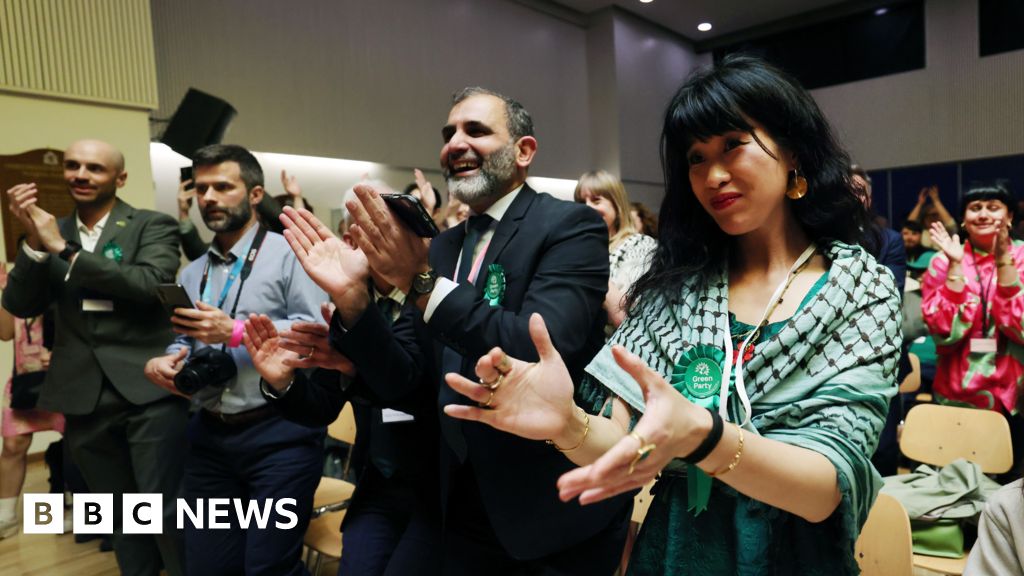
London, United Kingdom — In a stunning political upset, the Green Party has emerged as the largest party in two traditionally Labour-dominated boroughs in south London, marking a significant shift in the capital’s political landscape. The victories in these longtime Labour strongholds signal growing voter dissatisfaction with the two major parties and a surge in support for environmental and social justice policies.
The Greens secured the highest number of council seats in Lewisham and Lambeth, areas that have been under Labour control for decades. The results reflect a broader trend of urban voters turning to smaller parties amid frustrations over housing, climate inaction, and economic inequality. Local campaigners credited the Greens’ grassroots organizing and clear stance on progressive issues for the breakthrough.
A Rejection of the Status Quo
The wins did not come as a complete surprise to political analysts, who have noted the Greens’ steady gains in urban areas over the past decade. However, the scale of the shift has raised questions about Labour’s ability to retain its traditional base. Voter turnout in both boroughs was higher than in previous local elections, with younger and first-time voters playing a decisive role.
“This is a clear message that people want bold, transformative policies,” said a Green Party spokesperson. “Residents are tired of empty promises on affordable housing and the climate crisis. They’re voting for real change.”
Labour officials acknowledged the losses but downplayed suggestions of a wider crisis. A senior Labour figure insisted the party remained competitive in London but admitted that “local factors” had influenced the results.
Why This Matters
The Greens’ success in Lewisham and Lambeth is part of a larger pattern of fragmentation in British politics. With Labour and the Conservatives both facing internal divisions and declining trust, smaller parties are capitalizing on disillusionment. The Greens, in particular, have positioned themselves as the alternative for progressive voters who feel Labour has moved too far toward the center.
The results also highlight the growing influence of climate policy in local elections. Both boroughs have seen increased activism around air pollution, green spaces, and sustainable development—issues the Greens have championed relentlessly.
What Comes Next?
The immediate challenge for the Greens will be governing effectively in councils where they now hold the balance of power. While they lack an outright majority in either borough, their newfound status as the largest party gives them leverage to push through key policies.
Long-term, the victories could embolden the Greens to target more urban seats in future elections, including parliamentary constituencies. If the trend continues, it may force Labour to reconsider its strategy in progressive-leaning areas or risk further erosion of its support.
For now, the message from south London is clear: voters are demanding a new direction, and the Greens are reaping the rewards. The political map of the capital—and possibly the country—may never look the same again.
