



Ohio’s EdChoice Voucher Program Faces Constitutional Challenge in Court
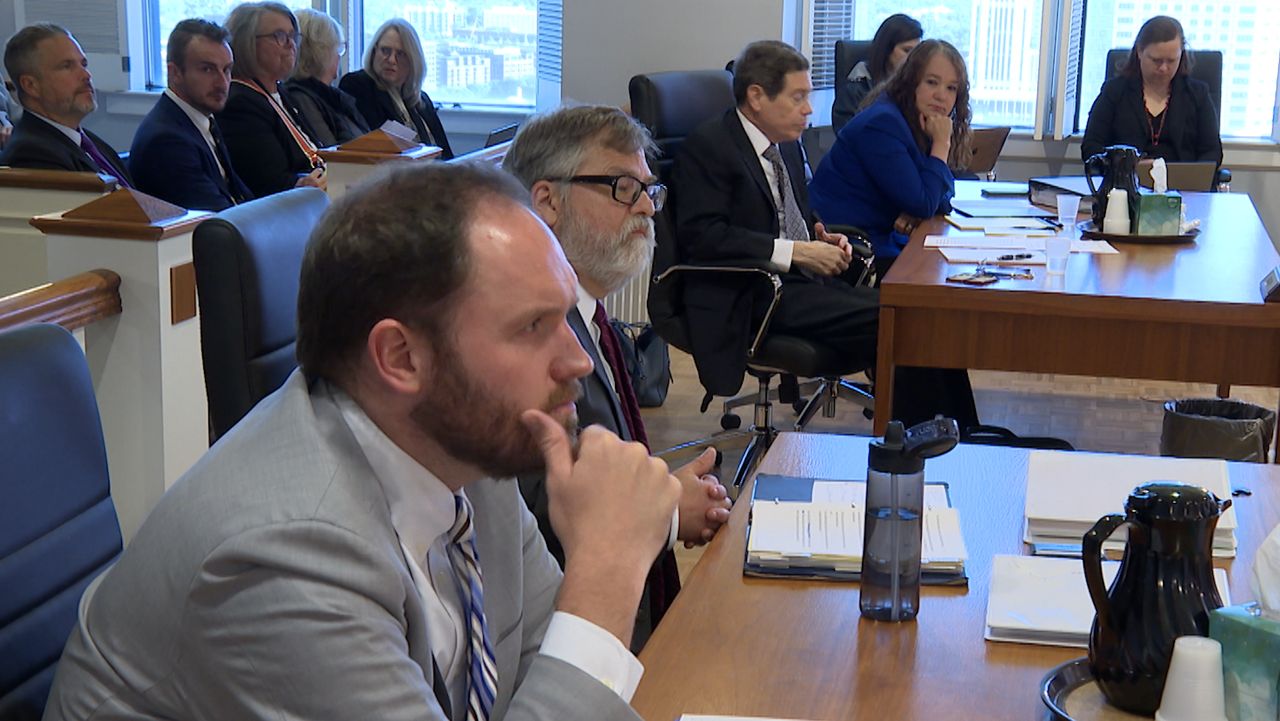
Ohio’s controversial EdChoice voucher program was back in the spotlight on Tuesday as judges heard arguments over whether the use of public funds for private school tuition violates the state’s constitution. The case, heard by Ohio’s 10th District Court of Appeals, centers on the growing debate over school choice and the financial burden it places on public schools.
Judges David Leland, Kristin Boggs, and Shawn Dingus listened to arguments from both sides, with attorneys representing public school districts arguing that the program diverts hundreds of millions of dollars away from public education. Meanwhile, defenders of EdChoice maintained that it empowers families to choose the best educational options for their children.
At the heart of the dispute is whether EdChoice operates as a scholarship program driven by family choice or a state-backed system supporting private schools. Mark Wallach, an attorney for the public school districts, emphasized that the primary purpose of public schools is to educate citizens and build a productive society, not to provide choice. “The school systems exist not to provide choice. They exist to provide education,” he argued.
Wallach also pointed out that private schools control admissions, attendance, and how voucher funds are used, all while operating without the same transparency requirements as public schools. He noted that EdChoice has grown from a modest pilot program into a nearly billion-dollar initiative, raising concerns about its impact on public school funding.
Keith Neely, an attorney defending the program, countered that EdChoice does not establish a separate, state-supported private school system. Instead, he argued, it provides scholarships that families can use to send their children to private schools of their choice. “It provides scholarships to students and families that they can use to attend the private school of their choosing. It doesn’t establish a separate system of schools at all,” Neely said.
The judges pressed both sides on the implications of the program. Judge Shawn Dingus raised a hypothetical scenario in which a private school in a rural area could deny admission to a student based on sexual orientation, questioning whether families truly control the choice if private schools have the final say. Neely responded that families still exercise choice by applying to schools and seeking admission, even if some students are rejected.
The hearing also touched on the financial impact of ending EdChoice. Judge David Leland noted that discontinuing the program would not necessarily free up more funding for public schools, as lawmakers could redirect the money to other priorities. Wallach, however, argued that Ohio’s Fair School Funding Plan highlights the unmet needs of public schools, and lawmakers have prioritized vouchers over fully funding this plan.
Both sides referenced the landmark 1999 Ohio Supreme Court case Simmons-Harris v. Goff, which upheld Cleveland’s voucher program. Neely cited the ruling as precedent supporting EdChoice, while Wallach countered that the current program is significantly larger and more complex than the one reviewed in that case.
The judges did not issue a ruling on Tuesday, and a written decision is expected in the coming weeks. For now, the EdChoice program remains in effect, leaving families, educators, and policymakers in limbo as they await the court’s verdict.
The case underscores the ongoing tension between school choice advocates and public education supporters in Ohio, a state where the debate over funding priorities and educational equity shows no signs of slowing down. As the legal battle continues, the outcome could have far-reaching implications for the future of education in the Buckeye State.
— Reported by Nexio News
