


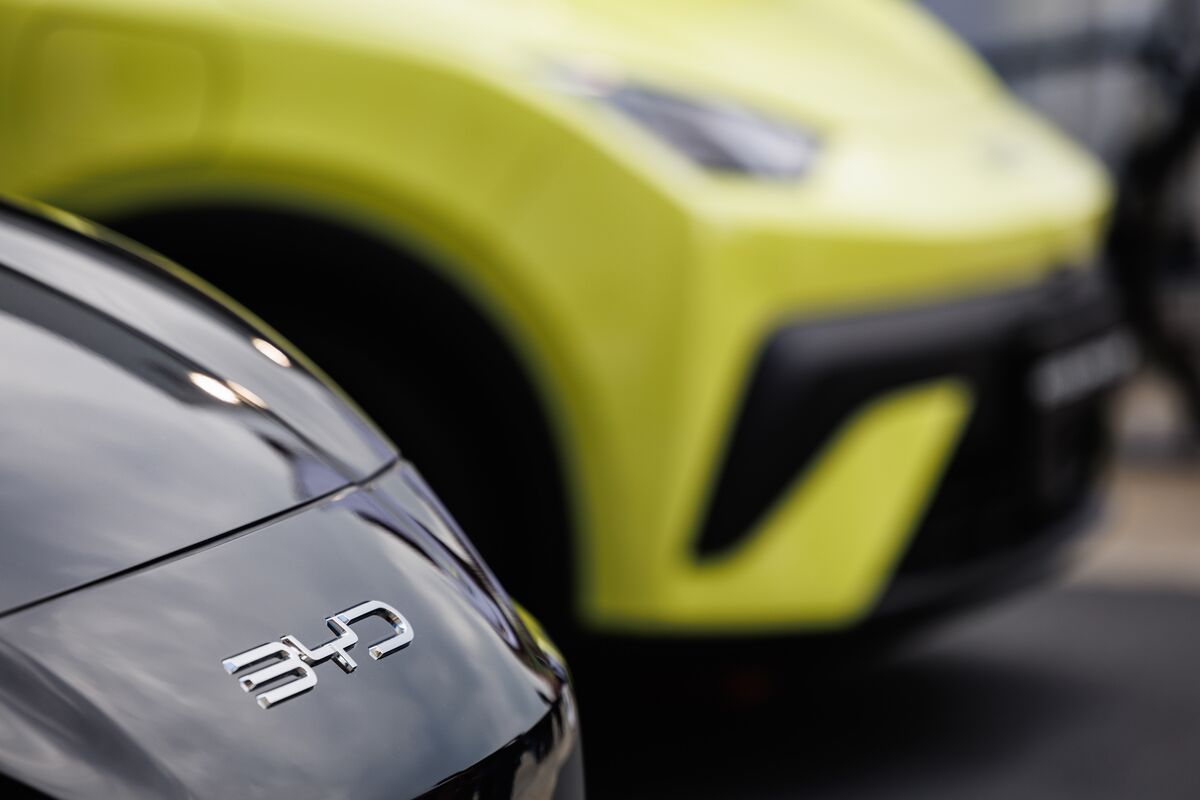

BYD Explores European Factory Takeovers Amid Rising Global Electric Vehicle Ambitions
In a bold move signaling its aggressive global expansion strategy, Chinese electric vehicle (EV) giant BYD Co. is reportedly in advanced discussions with European carmakers, including Stellantis NV, to acquire underutilized manufacturing facilities across the continent. This development, confirmed by BYD’s senior international executive, underscores the Shenzhen-based company’s ambitions to solidify its presence in Europe’s rapidly evolving EV market while addressing the region’s industrial challenges.
The potential acquisition of idle factories represents a strategic shift for BYD, which has already emerged as Tesla’s closest competitor in the global EV race. With Europe poised to become a key battleground for electric mobility, BYD’s move could reshape the competitive landscape, offering both opportunities for growth and challenges for established automakers.
BYD’s European Ambitions
BYD, which stands for “Build Your Dreams,” has rapidly transformed from a domestic player to a global powerhouse in the EV sector. Founded in 1995, the company initially focused on battery production before venturing into vehicle manufacturing. Today, BYD is the world’s largest producer of plug-in electric vehicles, surpassing even Tesla in global sales in the fourth quarter of 2022.
Europe, with its stringent emissions regulations and ambitious green energy targets, has become a focal point for BYD’s international strategy. The company has already launched several models in European markets, including the Atto 3 SUV and the Tang electric sedan, receiving positive reviews for their affordability and advanced technology.
However, establishing a manufacturing footprint in Europe would allow BYD to bypass costly import tariffs, reduce delivery times, and cater more effectively to local consumer preferences. Acquiring existing factories, particularly those underutilized by European automakers, offers a cost-effective solution compared to building new plants from scratch.
The European Context
The European automotive industry is undergoing a seismic shift as traditional automakers grapple with the transition to electric vehicles. Stellantis, formed in 2021 through the merger of Fiat Chrysler Automobiles and PSA Group, has been at the forefront of this transformation. However, the company has faced challenges in optimizing its production capacity amid declining demand for internal combustion engine vehicles and the high costs of EV development.
Other European carmakers, including Volkswagen and Renault, are also recalibrating their strategies to compete in the EV era. This has led to several factories operating below capacity, creating opportunities for new entrants like BYD to establish a foothold.
The potential acquisition of European factories aligns with broader trends in the automotive sector, where collaboration and consolidation are becoming increasingly common. For BYD, leveraging existing infrastructure could accelerate its expansion while providing a lifeline to struggling facilities and their workers.
Strategic Implications
BYD’s discussions with Stellantis and other European carmakers highlight the growing interdependence between Chinese and European automotive industries. China, already the world’s largest EV market, has become a hub of innovation and production, with companies like BYD leading the charge.
For European automakers, partnerships with Chinese firms offer access to cutting-edge technology and economies of scale. Conversely, Chinese companies benefit from Europe’s mature automotive ecosystem and established supply chains.
However, BYD’s potential entry into European manufacturing raises questions about competition and market dynamics. While the move could spur innovation and lower EV prices for consumers, it may also intensify pressure on traditional carmakers struggling to keep pace with the rapid shift to electric mobility.
Broader Economic and Geopolitical Considerations
BYD’s European strategy is not without geopolitical complexities. The European Union has been increasingly cautious about Chinese investments in critical industries, citing concerns over technology transfer and economic sovereignty. In 2023, the EU unveiled new regulations aimed at safeguarding its automotive sector from potential threats posed by foreign competitors.
The ongoing trade tensions between China and the West further complicate BYD’s expansion plans. Tariffs on Chinese-made vehicles, imposed by the U.S. and under consideration by the EU, have prompted Chinese automakers to explore local production as a means of mitigating these barriers.
Despite these challenges, BYD’s move reflects a broader trend of Chinese companies seeking to globalize their operations. By establishing a manufacturing presence in Europe, BYD can position itself as a global brand while reducing its reliance on the Chinese market.
Industry Reactions and Future Outlook
Industry analysts have largely welcomed BYD’s potential acquisition of European factories as a win-win scenario. For BYD, it offers a faster route to market penetration, while for European carmakers, it provides a solution to underutilized assets.
“This is a smart move by BYD,” said Michael Dunne, CEO of Asia-focused automotive consultancy ZoZo Go. “By acquiring existing facilities, they can quickly scale up production without the delays and costs associated with building new plants.”
However, some experts caution that success is not guaranteed. European consumers, known for their loyalty to domestic brands, may take time to embrace BYD’s offerings. Additionally, the company will need to navigate regulatory hurdles and adapt to local market conditions.
Conclusion
As BYD negotiates with European carmakers to acquire underutilized factories, the company is poised to play a pivotal role in shaping the future of the continent’s automotive industry. This move underscores the growing influence of Chinese automakers on the global stage while highlighting the challenges and opportunities presented by the transition to electric mobility.
For Europe, BYD’s entry could herald a new era of collaboration and competition. For BYD, it represents a critical step in its journey from a domestic champion to a global leader. As the EV landscape continues to evolve, the outcome of these negotiations will be closely watched by industry stakeholders worldwide.
Whether BYD’s European ambitions will succeed remains uncertain, but one thing is clear: the automotive industry is entering a transformative period, with China and Europe at the forefront of this revolution.
